
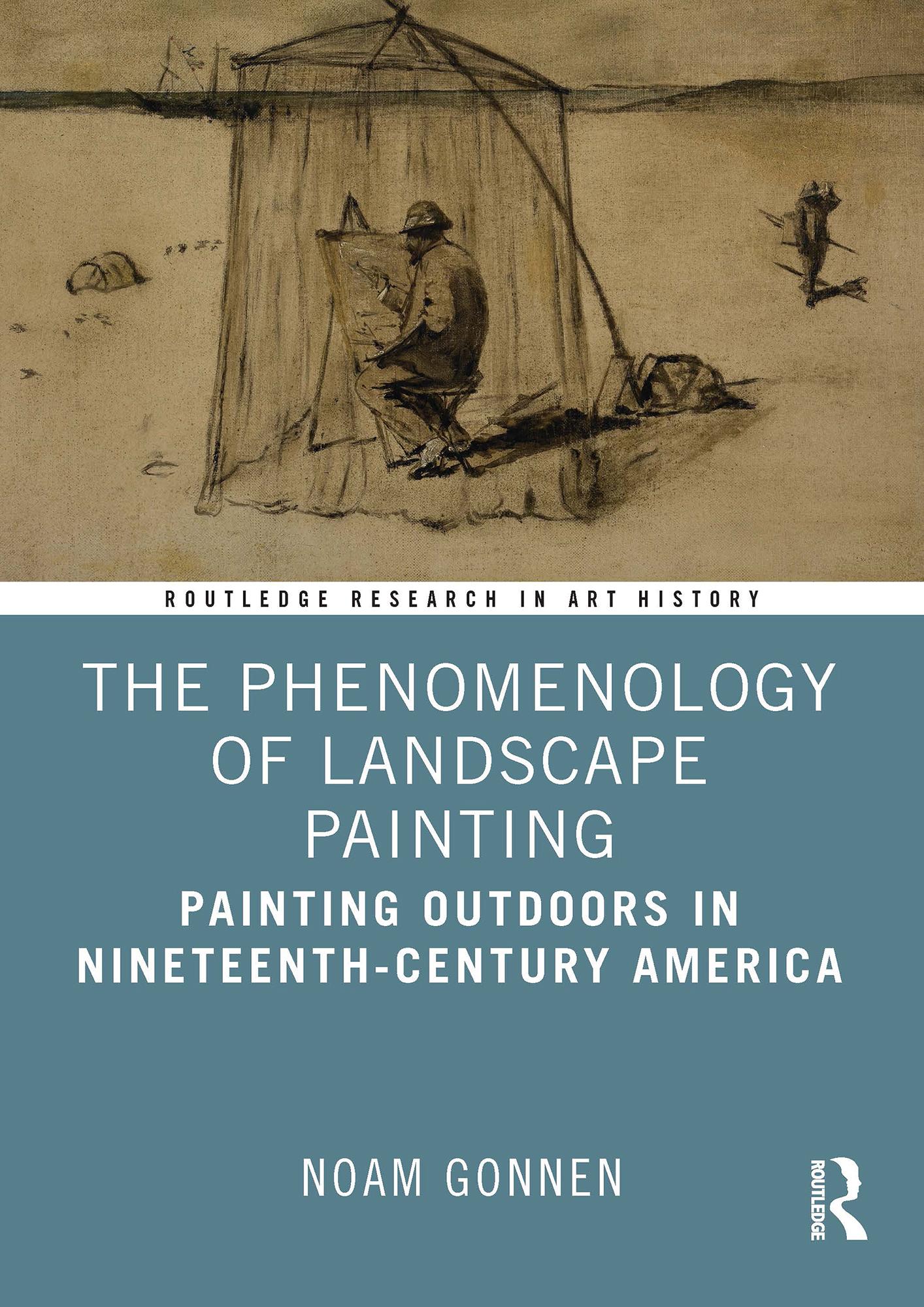
Offering a new view of nineteenth-century American landscape painting, this book focuses on the praxis of open-air painting and its distinctive role in generating and invigorating a new conceptualization of American landscape painting in the late nineteenth century.
Drawing on phenomenology and on theories of presence, embodiment, and making, the author traces the transition in landscape painting from Hudson River School aesthetics to a new ground, manifested in three aspects – immersiveness, materiality, and performance. Analyzing both paintings and primary sources such as tourist literature, art criticism, diary entries, artists’ handbooks, treatises, and professional publications ranging from geography to physiology, the author underpins the significance of open-air painting in the history of American art and evaluates its reception against a backdrop of cultural, historical, and aesthetic shifts in the postbellum era. Overall, the book juxtaposes landscape experience with artistic experience and explores the tension between observing and making, thereby suggesting new analytical tools for nineteenth-century art and epistemology.
This is an ideal text for researchers in art history and theory, human geography, environmental studies, and philosophy.
Betal nemt med kort, Klarna, Apple Pay eller Google Pay. Ikke tilfreds? Du har altid 14 dages fortrydelsesret. Læs mere i vores vilkår. Har du spørgsmål, så send os en mail på hello@memmo.org.
Memmo gør det nemmere at studere – uanset hvor du er i verden. Hos os samler du dine kursusbøger og smarte studieværktøjer ét sted: resuméer, quizzer, podcasts og flashcards. Og så er der Ted, din studieven, der svarer på alt, du undrer dig over. Over 50 000 studerende studerer allerede her – bygget til at hjælpe dig med at lære hurtigere og stresse mindre.