
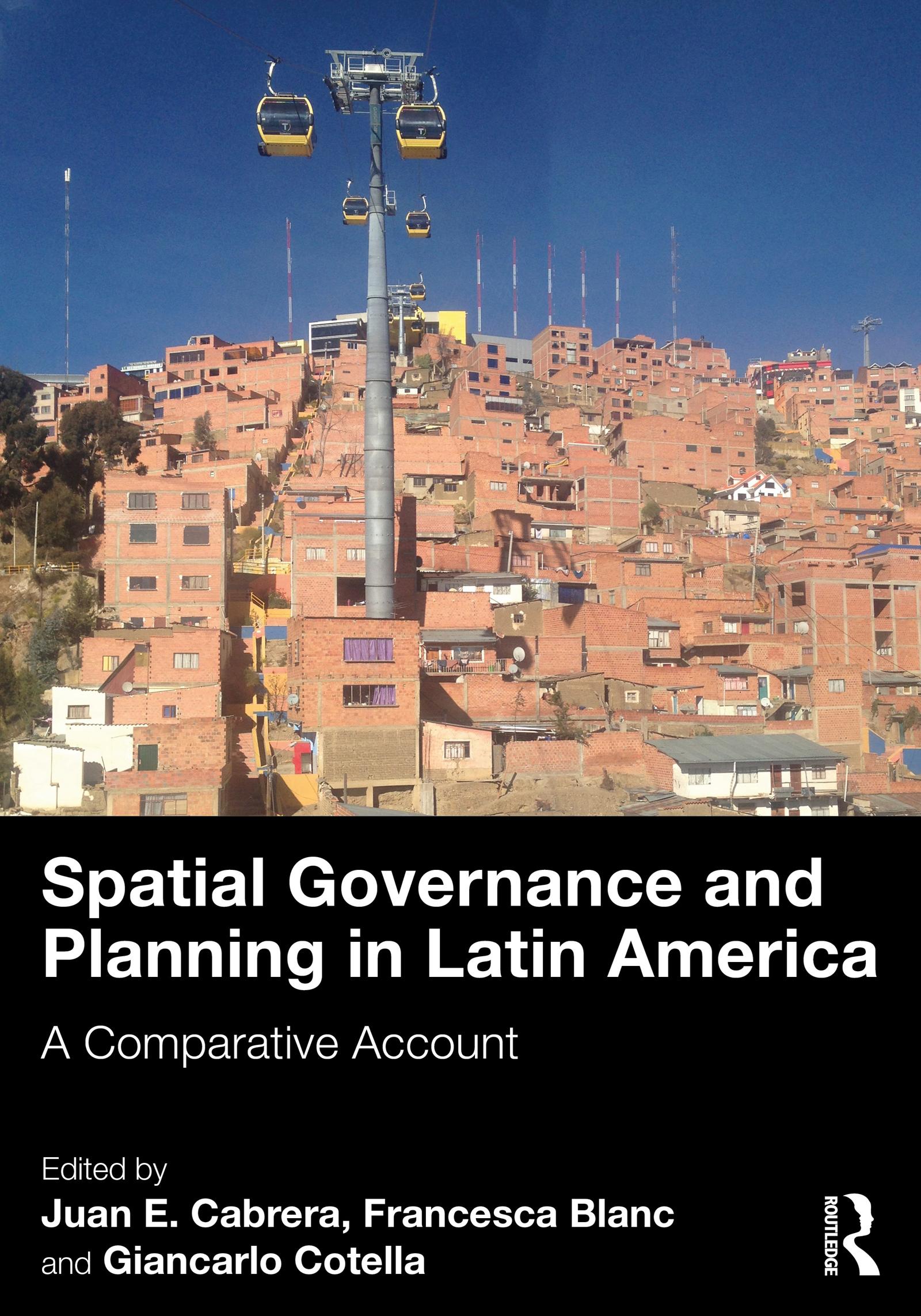
This book is the first to provide an in-depth discussion of spatial governance and planning systems (SGPSs) in Latin America, with analysis and comparison across 10 different countries: Argentina, Bolivia, Brazil, Chile, Colombia, Cuba, Ecuador, Mexico, Peru, and Uruguay. The primary function of SPGSs is to empower the public sector to exert control over spatial development. Originally understood mainly through a legal paradigm, it is now acknowledged that a range of informal institutions also play a role, responding to societal and community needs that the state or market is unable to address. This collection teases out these contrasting influences, highlighting the role of indigenous culture in certain contexts, and the increase of participatory processes in others. The book features not only individual country case studies, but also chapters discussing the broader themes, as well as how the Latin American context compares to the European one. A timely contribution to this evolving topic, the book will appeal to students and scholars in the fields of planning, urban and regional studies, public policy, and human geography.
Betal nemt med kort, Klarna, Apple Pay eller Google Pay. Ikke tilfreds? Du har altid 14 dages fortrydelsesret. Læs mere i vores vilkår. Har du spørgsmål, så send os en mail på hello@memmo.org.
Memmo gør det nemmere at studere – uanset hvor du er i verden. Hos os samler du dine kursusbøger og smarte studieværktøjer ét sted: resuméer, quizzer, podcasts og flashcards. Og så er der Ted, din studieven, der svarer på alt, du undrer dig over. Over 50 000 studerende studerer allerede her – bygget til at hjælpe dig med at lære hurtigere og stresse mindre.