
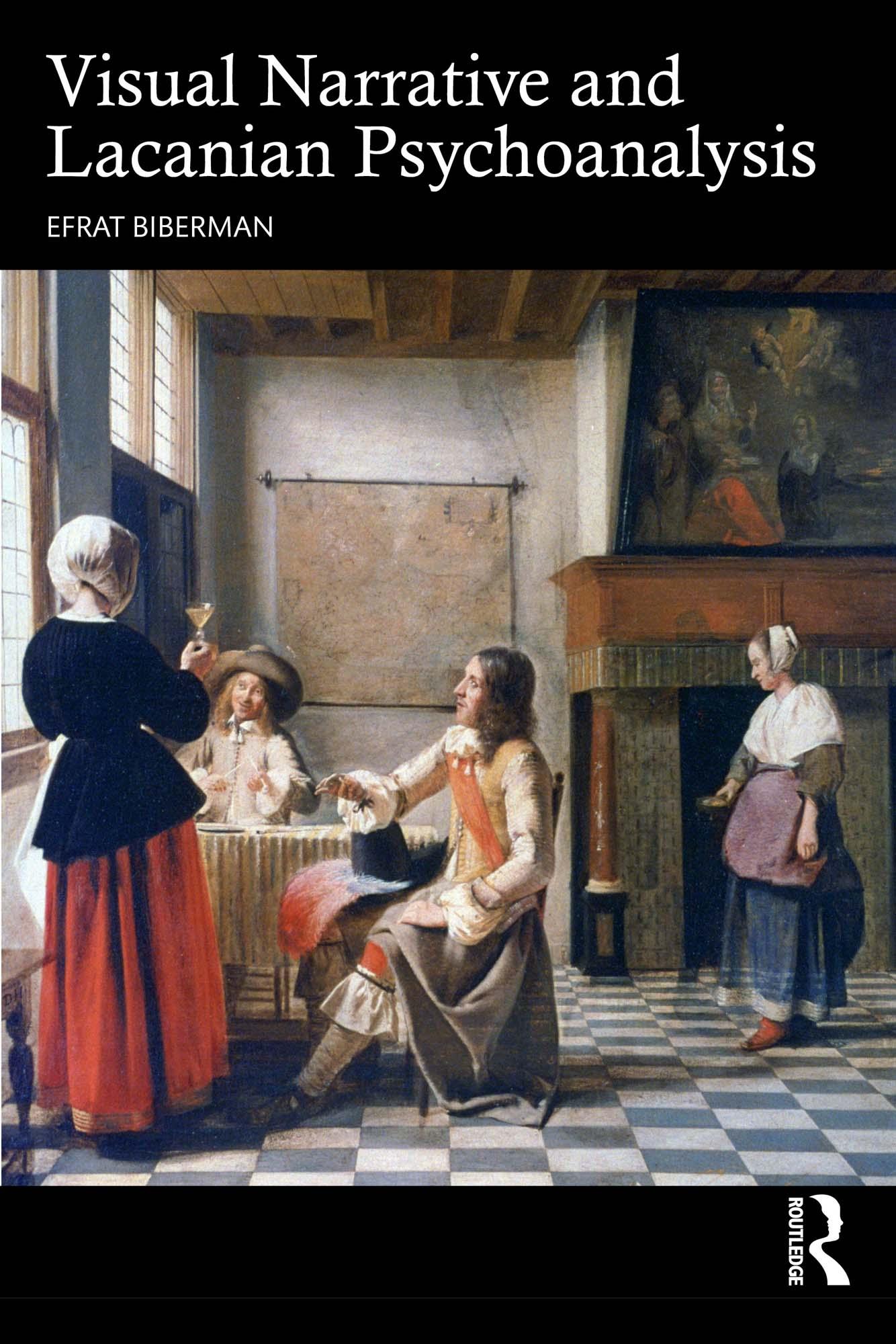
This book analyzes narrativity in painting from a Freudian-Lacanian perspective.
Narrativity in painting is prominently discussed through disciplinary laws and lens of art history, art theory, poetics and more. Yet such points of view never shed light on its ambiguous status or nature. This book offers a new way of thinking about painting. Its point of departure is the complexity of the term narrative painting, which includes the relationship between painting and literature, as well as the boundaries of each medium. This book develops an alternative way of thinking about narrative painting, in which the viewer constitutes an active part in the visual narrative. Based on Lacanian topology, this book demonstrates how the subject is never distinguished from the painting she is looking at. Moreover, her way of seeing, which constitutes visual narrativity, is not necessarily unequivocal and coherent but partial, scotomized and fragmentary. This form of narrativity is explored through psychoanalytic concepts, such as fantasy, gaze and subject positions, which are discussed in light of their counterparts in the field of art theory.
This book will be key reading for Lacanian psychoanalysts and psychotherapists, as well as art scholars wishing to gain a fresh perspective on narrativity in art.
Betal nemt med kort, Klarna, Apple Pay eller Google Pay. Ikke tilfreds? Du har altid 14 dages fortrydelsesret. Læs mere i vores vilkår. Har du spørgsmål, så send os en mail på hello@memmo.org.
Memmo gør det nemmere at studere – uanset hvor du er i verden. Hos os samler du dine kursusbøger og smarte studieværktøjer ét sted: resuméer, quizzer, podcasts og flashcards. Og så er der Ted, din studieven, der svarer på alt, du undrer dig over. Over 50 000 studerende studerer allerede her – bygget til at hjælpe dig med at lære hurtigere og stresse mindre.