
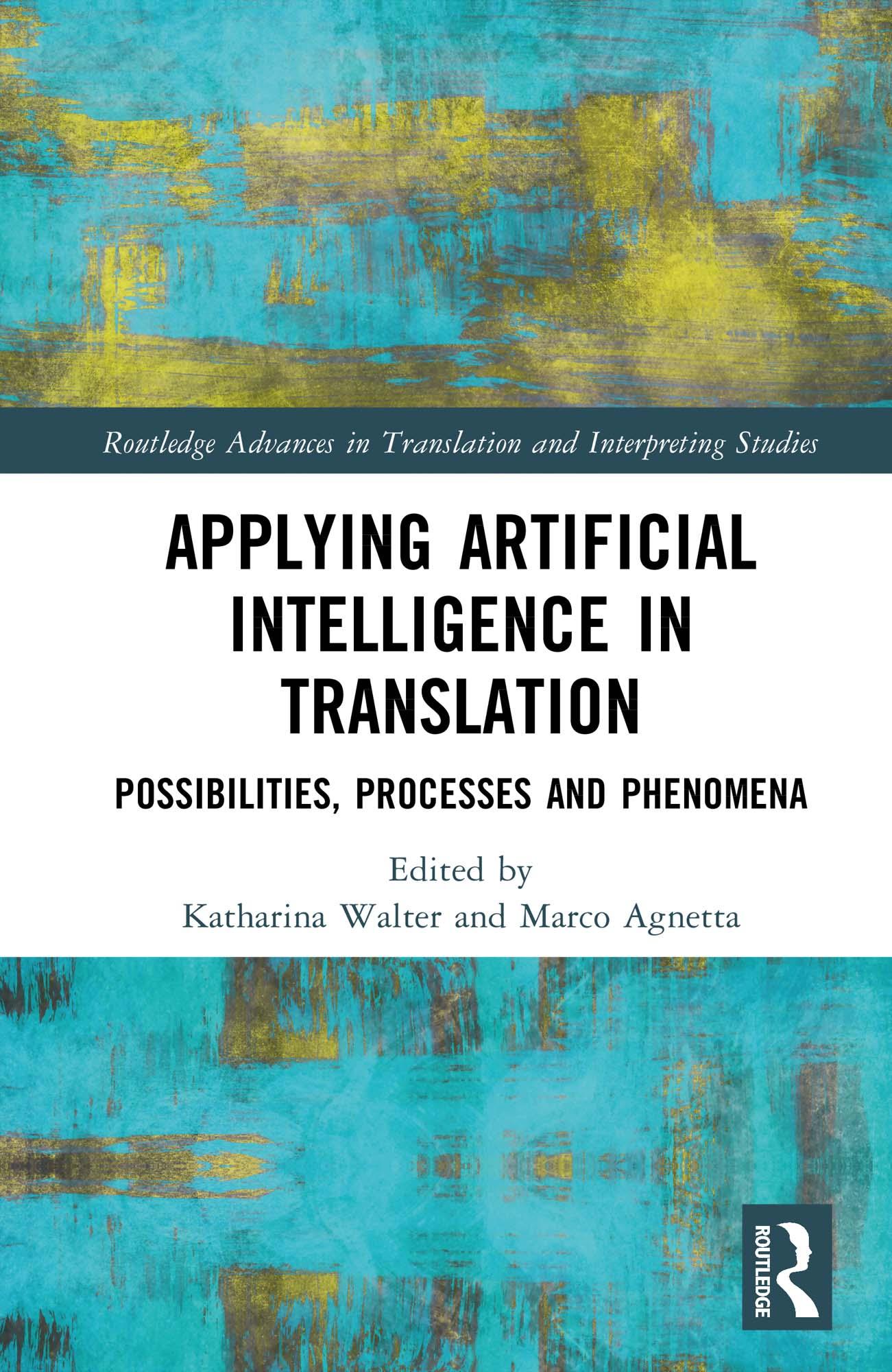
This collection critically examines the opportunities and challenges associated with the use of AI-based tools in translation, which have rapidly transformed the language industry in recent years.
This volume is divided into three sections that explore the use of AI-based tools in specific domains or on specific phenomena. While the first section addresses the impact of AI-enhanced translation on both workflows and outputs from the lens of creativity and idiomaticity, the second section examines key questions concerning the use of AI-based translation tools in various domains from technology to tourism. Contributions in the third section analyze AI-induced changes in the areas of media accessibility and journalism, as well as taking a critical look at evolving job perspectives and job profiles within the language industry. Taken together, the chapters in this volume envisage sustainable forms of interaction between humans and machines that put humans at the center of AI-induced technological changes.
This book will be of interest to students and scholars in translation studies, particularly those working in translation technology, audiovisual translation, and literary translation, as well as practicing translators.
Betal nemt med kort, Klarna, Apple Pay eller Google Pay. Ikke tilfreds? Du har altid 14 dages fortrydelsesret. Læs mere i vores vilkår. Har du spørgsmål, så send os en mail på hello@memmo.org.
Memmo gør det nemmere at studere – uanset hvor du er i verden. Hos os samler du dine kursusbøger og smarte studieværktøjer ét sted: resuméer, quizzer, podcasts og flashcards. Og så er der Ted, din studieven, der svarer på alt, du undrer dig over. Over 50 000 studerende studerer allerede her – bygget til at hjælpe dig med at lære hurtigere og stresse mindre.