
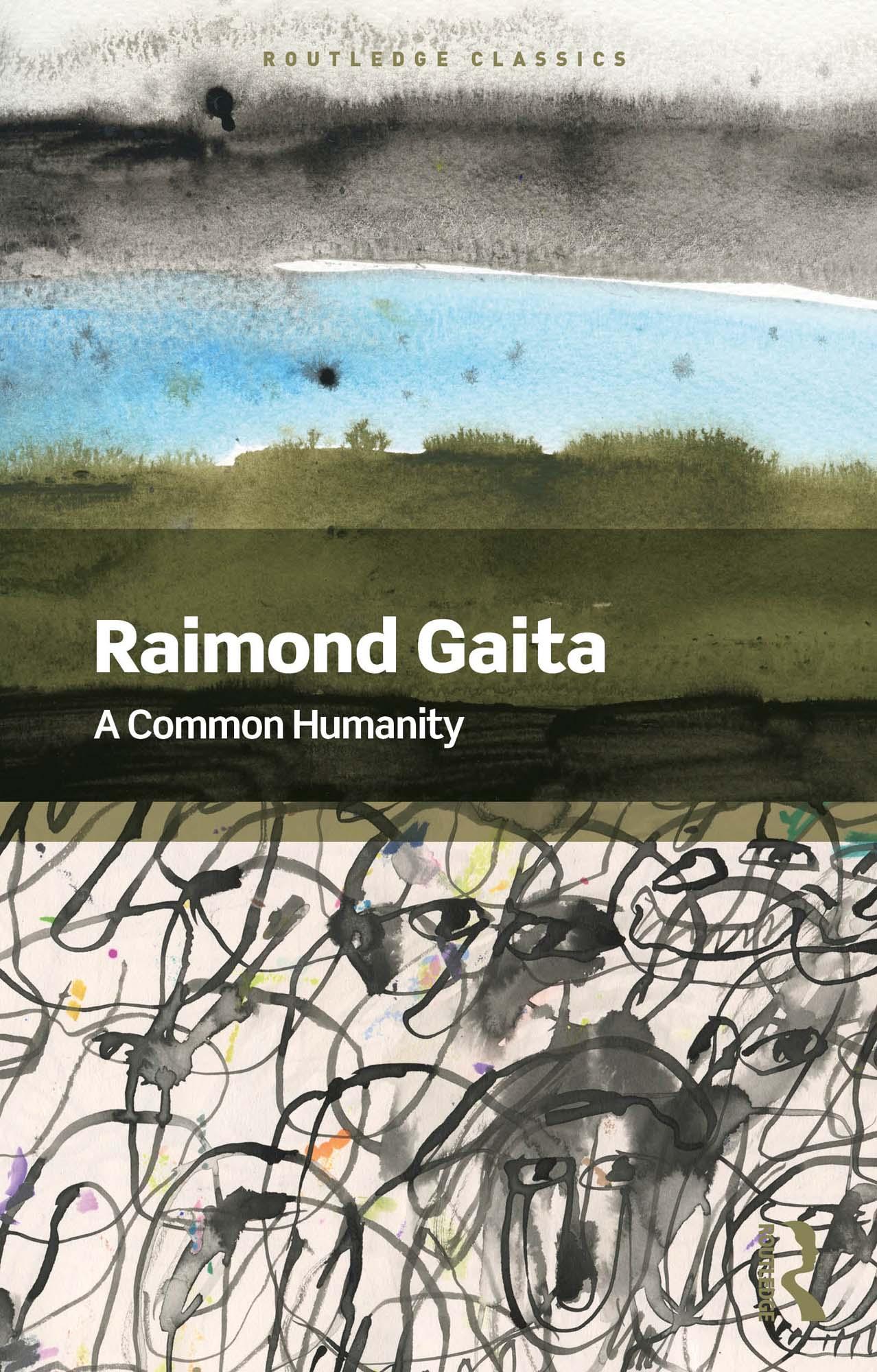
Holocaust denial, racism, genocide of indigenous peoples and the long-lasting harms inflicted by colonialism pose deep challenges to any idea of a common humanity. How can we include these and countless other examples of evil within our vision of a shared morality? These painful human incongruities are precisely what Raimond Gaita boldly harmonises in A Common Humanity. He discusses the complex and often fraught relations between hatred and forgiveness, evil and love, suffering and compassion, the mundane and the precious.
Gaita asserts that our conception of humanity cannot be based upon the thin language of individual rights when it is our shared feelings of grief, hope, love, guilt, shame and remorse that offer a more potent foundation for common understanding.
Drawing on the work of Hannah Arendt, Simone Weil, Primo Levi and Iris Murdoch, amongst others, Gaita creates a beautifully written and provocative new picture of our common humanity.
This Routledge Classics edition includes a new Preface and a substantial Afterword by the author, in which he revisits some of the main themes of A Common Humanity and engages with responses to it since it was first published.
Betal nemt med kort, Klarna, Apple Pay eller Google Pay. Ikke tilfreds? Du har altid 14 dages fortrydelsesret. Læs mere i vores vilkår. Har du spørgsmål, så send os en mail på hello@memmo.org.
Memmo gør det nemmere at studere – uanset hvor du er i verden. Hos os samler du dine kursusbøger og smarte studieværktøjer ét sted: resuméer, quizzer, podcasts og flashcards. Og så er der Ted, din studieven, der svarer på alt, du undrer dig over. Over 50 000 studerende studerer allerede her – bygget til at hjælpe dig med at lære hurtigere og stresse mindre.