
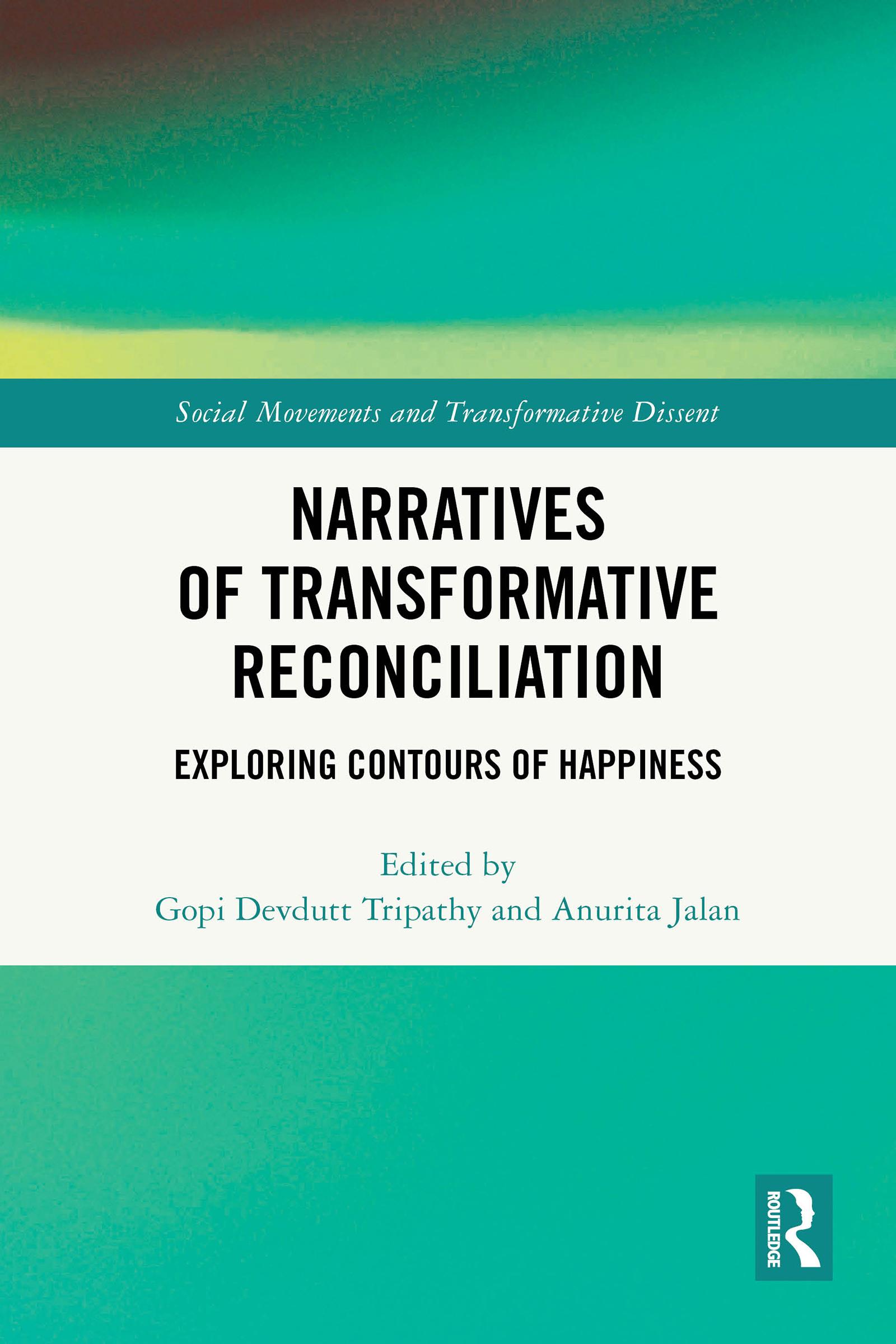
This book looks at ethnographies of survival, reconciliation, and resilience in communities and individuals. It interrogates the definition of happiness, hope and despair and explores how communities and individuals navigate life when besieged by trauma and the processes they must go through to enable healing.
Devastations caused by violence force people to look for ways to deal with seemingly irreconcilable life circumstances. Sometimes these efforts are individual and sometimes collective. People draw on a variety of resources, such as religion, culture, family and kinship networks, friends, literature, storytelling, art, theatre, and counselling to come to grips with their circumstances. This volume discusses such efforts through a multidisciplinary lens. It looks at ethnographic accounts of communities and individuals that showcase methods used to renegotiate, reconfigure the pain and to enable a life of dignity, healing and social transformation. It also looks at violence, memory, trauma, dislocation through different prisms.
Part of the Social Movements and Transformative Dissent series, this book will be of interest to students, academicians, activists, and all those engaged with the study of trauma studies, mental health, philosophy of psychology, behavioural sciences, philosophy, humanities, clinical psychology, gender and peace and conflict studies.
Betal nemt med kort, Klarna, Apple Pay eller Google Pay. Ikke tilfreds? Du har altid 14 dages fortrydelsesret. Læs mere i vores vilkår. Har du spørgsmål, så send os en mail på hello@memmo.org.
Memmo gør det nemmere at studere – uanset hvor du er i verden. Hos os samler du dine kursusbøger og smarte studieværktøjer ét sted: resuméer, quizzer, podcasts og flashcards. Og så er der Ted, din studieven, der svarer på alt, du undrer dig over. Over 50 000 studerende studerer allerede her – bygget til at hjælpe dig med at lære hurtigere og stresse mindre.