
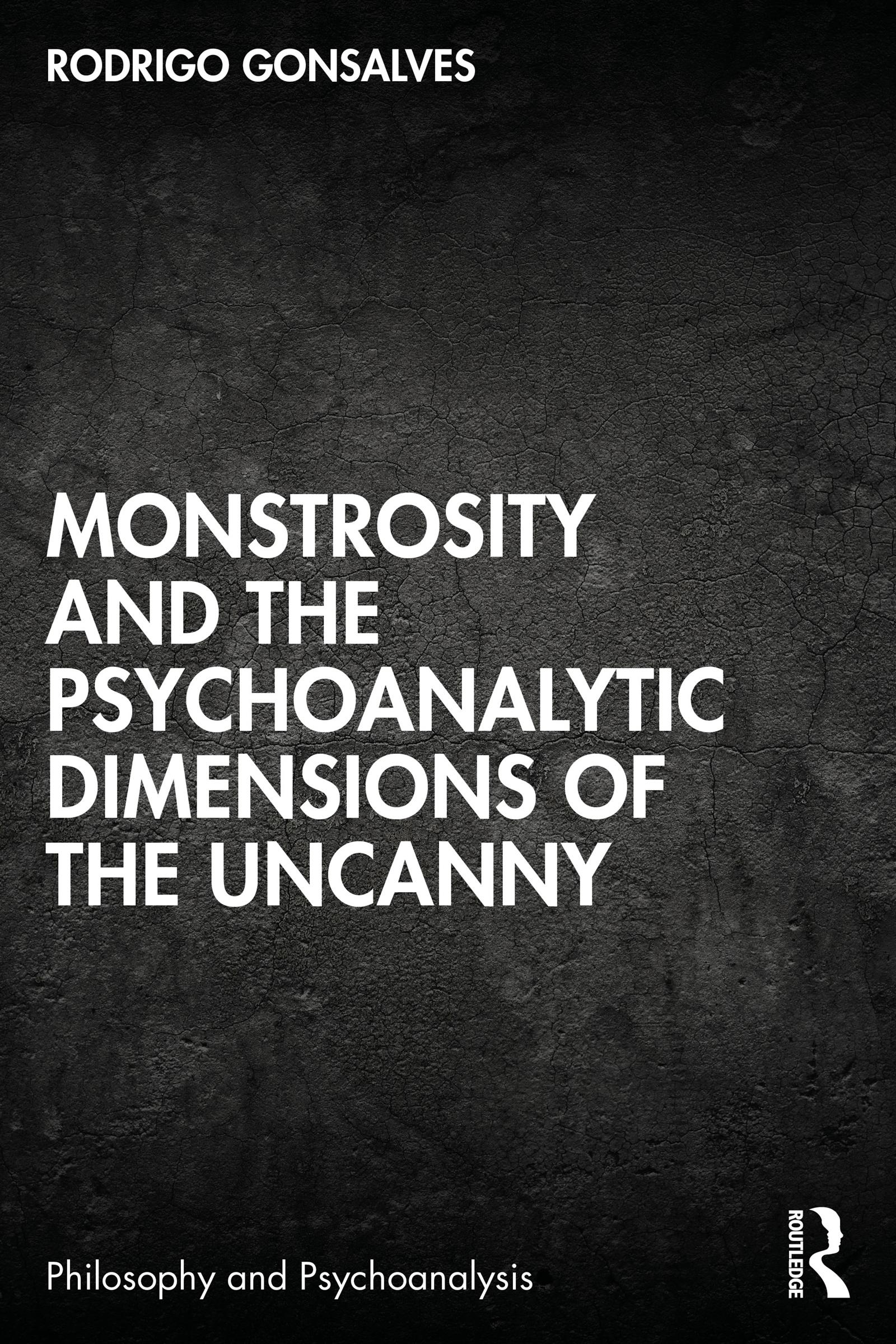
This accessible and meticulously researched book is a philosophical study dedicated to the psychoanalytic dimension of the uncanny and the discussions on monstrosity as fundamental concepts to address contemporary experiences of anguish, desire, suffering and alienation.
Examining the uncanny in Freud and Lacan, the book explores its emergence through psychoanalysis and aesthetics, as well as its meta-psychological implications. Chapters explore the history and connection between the uncanny and monstrosity in both philosophy and psychoanalysis, following on from the construction of Freud's 'The Uncanny' in 1919, and focusing on these concepts through different perspectives, such as Marxism. Finally, the book argues towards the importance of a monstrous grammar (re)introduced to psychoanalysis, in order to sustain a specific clinical listening of our times.
Offering new insights and arguments on these fascinating concepts, this book will be of interest to philosophers, psychoanalysts and psychologists, as well as also appealing to professionals and students in the worlds of arts, film and history.
Betal nemt med kort, Klarna, Apple Pay eller Google Pay. Ikke tilfreds? Du har altid 14 dages fortrydelsesret. Læs mere i vores vilkår. Har du spørgsmål, så send os en mail på hello@memmo.org.
Memmo gør det nemmere at studere – uanset hvor du er i verden. Hos os samler du dine kursusbøger og smarte studieværktøjer ét sted: resuméer, quizzer, podcasts og flashcards. Og så er der Ted, din studieven, der svarer på alt, du undrer dig over. Over 50 000 studerende studerer allerede her – bygget til at hjælpe dig med at lære hurtigere og stresse mindre.