
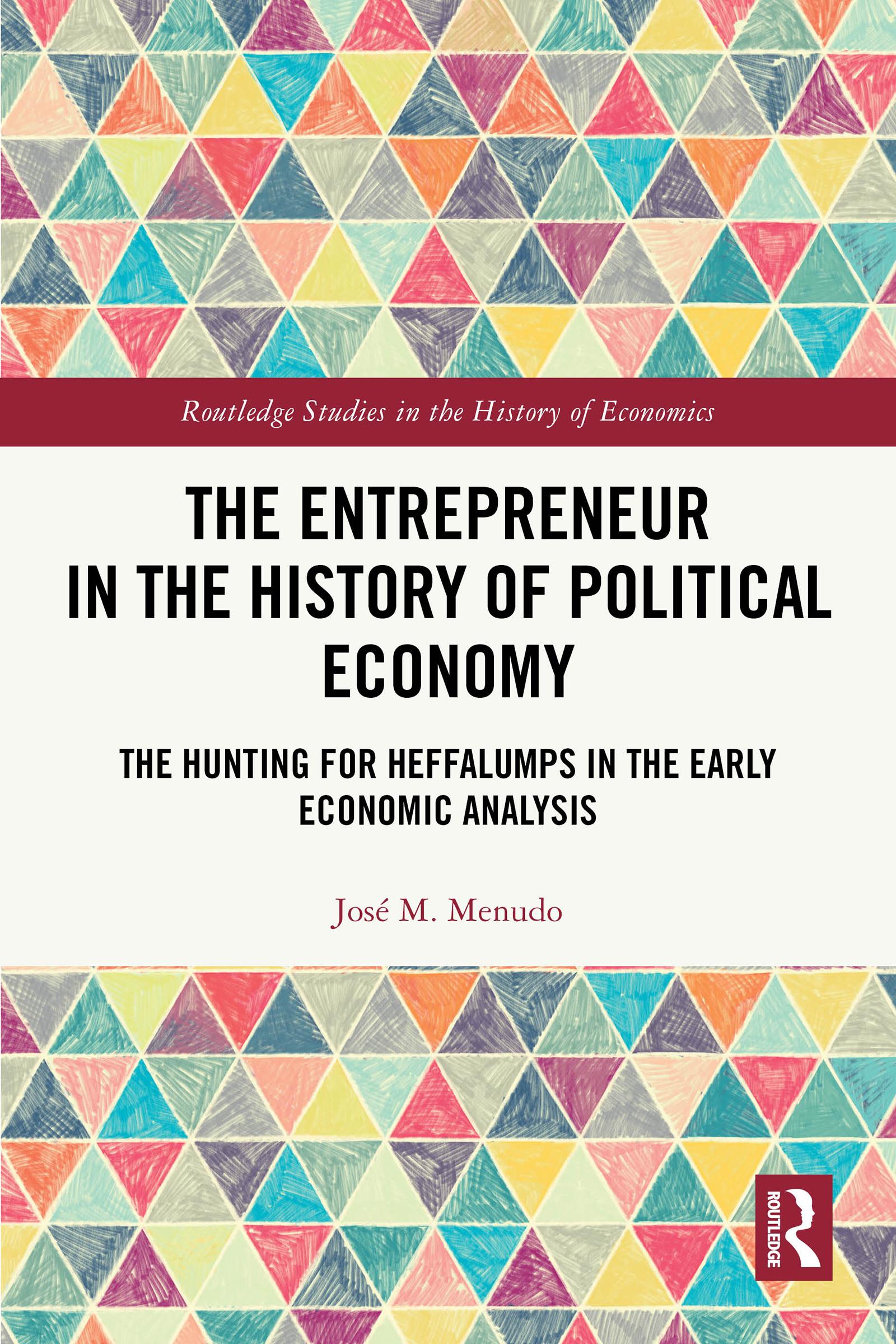
Modern economic theory has marginalised the figure of the entrepreneur, despite their significance in economic activity. Entrepreneurs rose in prominence as economic agents during the Enlightenment, but no consensus on this issue was formed in the period. This book addresses the role of the entrepreneur in the economic thought of the 18th and early 19th centuries, filling a gap in the historiography of economics.
The book reassesses the conflicting views on the entrepreneur held by leading economic thinkers such as Richard Cantillon, David Hume, François Quesnay, A.R.J. Turgot, Adam Smith, Jeremy Bentham and Jean-Baptiste Say. They had differing opinions on the role of the entrepreneur in various economic debates, including economic growth, price formation, conception of production, construction of economic agents, innovation, and the market of capital. These debates and treatises highlight the importance of the entrepreneur and yet the figure was later excluded from the classical canon in economics. This book explores the emergence of entrepreneurial activity as a recognised factor of production in economic theory, the contributions and connections of Enlightenment economist, and the reasons for the concept's disappearance.
The book will be of great interest to readers in the history of economic thought, history of entrepreneurship and management, economic history and economic theory more broadly.
Betal nemt med kort, Klarna, Apple Pay eller Google Pay. Ikke tilfreds? Du har altid 14 dages fortrydelsesret. Læs mere i vores vilkår. Har du spørgsmål, så send os en mail på hello@memmo.org.
Memmo gør det nemmere at studere – uanset hvor du er i verden. Hos os samler du dine kursusbøger og smarte studieværktøjer ét sted: resuméer, quizzer, podcasts og flashcards. Og så er der Ted, din studieven, der svarer på alt, du undrer dig over. Over 50 000 studerende studerer allerede her – bygget til at hjælpe dig med at lære hurtigere og stresse mindre.