
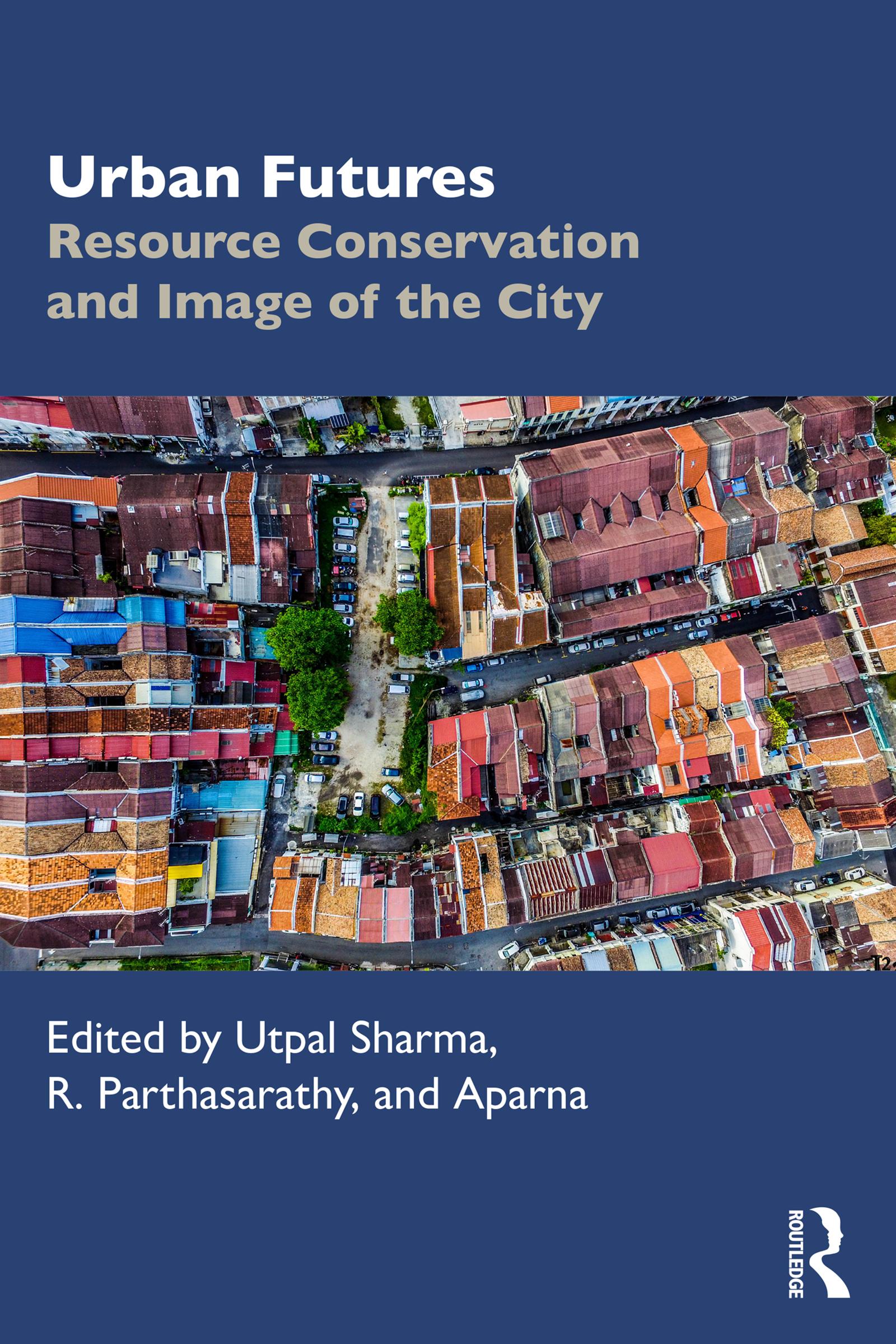
This book explores the built environment through aspects of spatial planning, ecology, infrastructure, and urban identity. By presenting case studies from both developed and developing nations, the chapters reveal the interconnectedness of urban spaces with socio-economic and cultural dynamics, in addition to ecology and the environment.
Urban areas and cities are key players in boosting economic development and enhancing social welfare. Nonetheless, the swift pace of urbanisation presents intricate challenges and obstacles in creating inclusive, sustainable, and resilient living spaces that are modern and capable of accommodating the growing needs of urban populations. This book probes various issues, interventions, and designs from diverse cities, diving into the specifics of sector-related concerns and new insights pertaining to land use planning and its implications, urban design frameworks, green and blue infrastructure, informal settlements, sustainability through resource conservation, transportation modelling, waste management, and ultimately, the image of the city.
This book will be advantageous and appealing to students and researchers involved in the built environment, urban planning and design, heritage and vernacular identity, infrastructure, nature-based solutions, and urban studies. It will also attract the attention of professionals and policymakers associated with these fields who are engaged in shaping urban futures.
Betal nemt med kort, Klarna, Apple Pay eller Google Pay. Ikke tilfreds? Du har altid 14 dages fortrydelsesret. Læs mere i vores vilkår. Har du spørgsmål, så send os en mail på hello@memmo.org.
Memmo gør det nemmere at studere – uanset hvor du er i verden. Hos os samler du dine kursusbøger og smarte studieværktøjer ét sted: resuméer, quizzer, podcasts og flashcards. Og så er der Ted, din studieven, der svarer på alt, du undrer dig over. Over 50 000 studerende studerer allerede her – bygget til at hjælpe dig med at lære hurtigere og stresse mindre.