
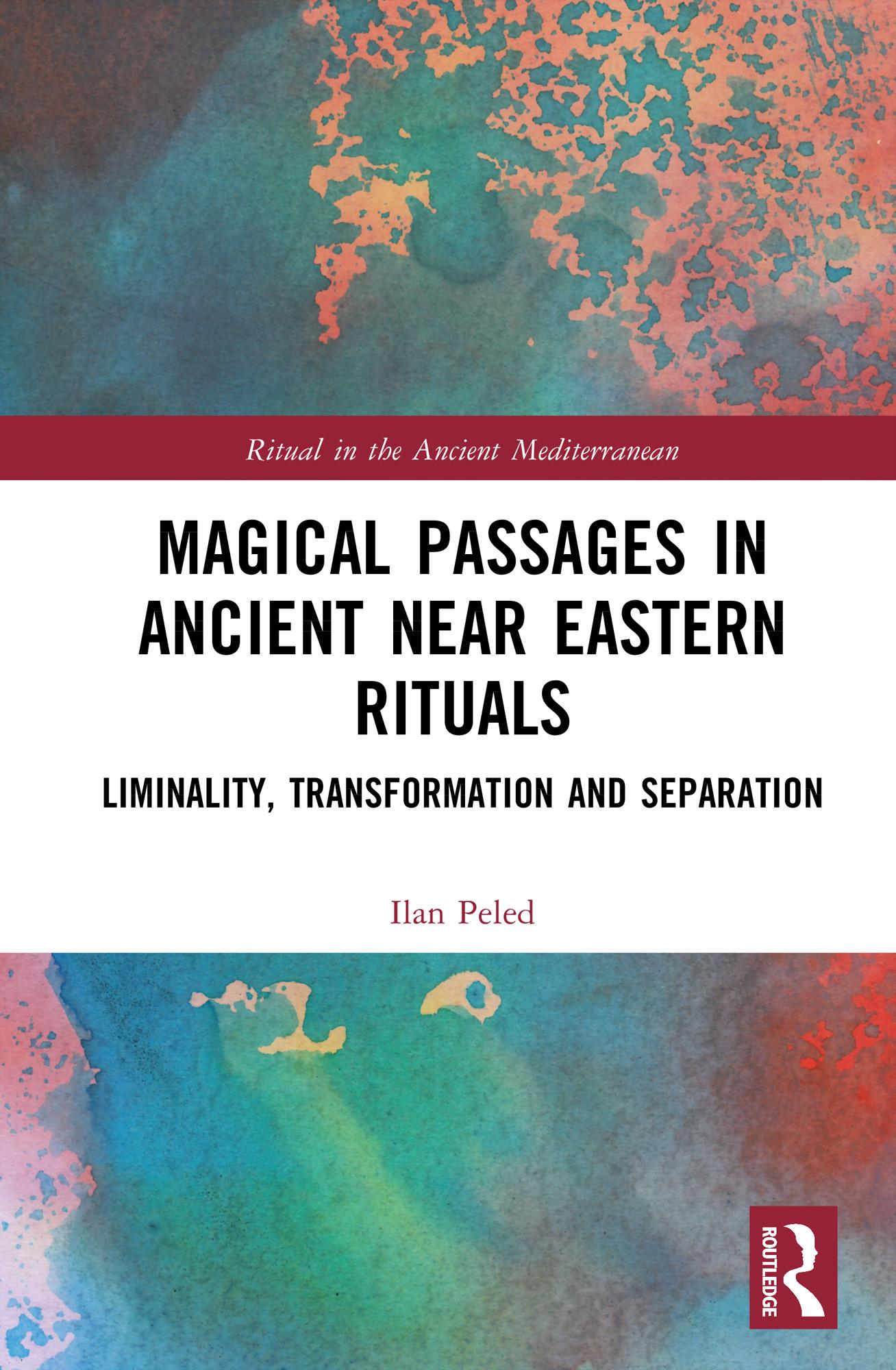
This book focuses on the element of thresholds – makeshift gates, makeshift structures and house doors – as concepts of liminality in ancient Near Eastern magical rituals, and the idea of transformation they reflect.
Readers gain an in-depth understanding of theories of liminality and rites of passage, and how they illuminate fascinating aspects of social behavior and religious and cultic practices in ancient Near Eastern societies, specifically those of Hatti and Mesopotamia. Ritual liminality, manifested in the use of makeshift and permanent architectural elements, was meant to facilitate two different aims: transformation from one category to the other (using makeshift gates and structures) and separation between categories (using house doors). The book presents the pertinent ritual texts in their original languages, analyzes these texts in detail and offers comparative discussions of the different cultures that practiced these rituals.
Magical Passages in Ancient Near Eastern Rituals is suitable for students and scholars interested in ancient religions, rituals and cults, particularly in the ancient Near East, as well as those working on ancient history, philology, anthropology and religious studies more broadly.
Betal nemt med kort, Klarna, Apple Pay eller Google Pay. Ikke tilfreds? Du har altid 14 dages fortrydelsesret. Læs mere i vores vilkår. Har du spørgsmål, så send os en mail på hello@memmo.org.
Memmo gør det nemmere at studere – uanset hvor du er i verden. Hos os samler du dine kursusbøger og smarte studieværktøjer ét sted: resuméer, quizzer, podcasts og flashcards. Og så er der Ted, din studieven, der svarer på alt, du undrer dig over. Over 50 000 studerende studerer allerede her – bygget til at hjælpe dig med at lære hurtigere og stresse mindre.