
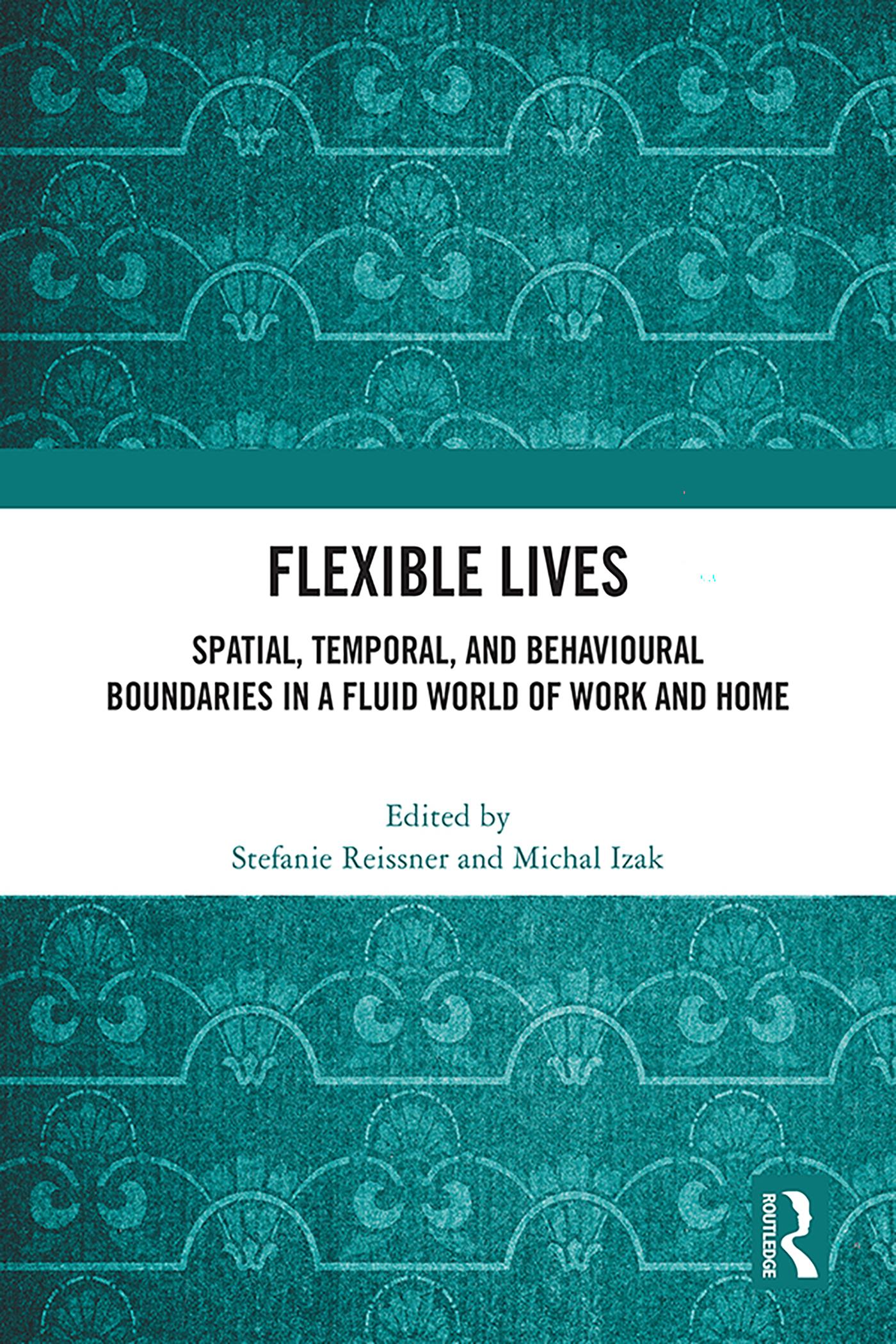
This geographically and methodologically diverse volume shines the spotlight on a variety of flexible working practices beyond the predominantly Western perspective and zooms in on the gendered aspects of flexible working.
The increasing use of flexible work arrangements has decoupled work from time and space, making the world of work and home increasingly fluid and challenging to manage. The Covid-19 pandemic, in particular, has been a catalyst for questioning accepted norms of where, when, and how work takes place. This book seeks to explore the impact which this reshaping of traditional modes of working has had on workplace interactions and relationships, as well as on managing the boundaries between familial and working lives. In this way, this collection contributes to a wider dialogue concerning the flexibility challenges encountered by white collar workers, which is needed now more than ever.
This book will be relevant to scholars, practitioners, and policymakers in the fields of gender studies, organizational behavior, human resources and labor economics. It will be particularly useful for those examining the impact of remote work, the future of work, organizational culture, and the social and economic implications of shifting work practices.
The chapters in this book were originally published in Culture and Organization and are accompanied by an updated Introduction and a new Epilogue.
Betal nemt med kort, Klarna, Apple Pay eller Google Pay. Ikke tilfreds? Du har altid 14 dages fortrydelsesret. Læs mere i vores vilkår. Har du spørgsmål, så send os en mail på hello@memmo.org.
Memmo gør det nemmere at studere – uanset hvor du er i verden. Hos os samler du dine kursusbøger og smarte studieværktøjer ét sted: resuméer, quizzer, podcasts og flashcards. Og så er der Ted, din studieven, der svarer på alt, du undrer dig over. Over 50 000 studerende studerer allerede her – bygget til at hjælpe dig med at lære hurtigere og stresse mindre.