
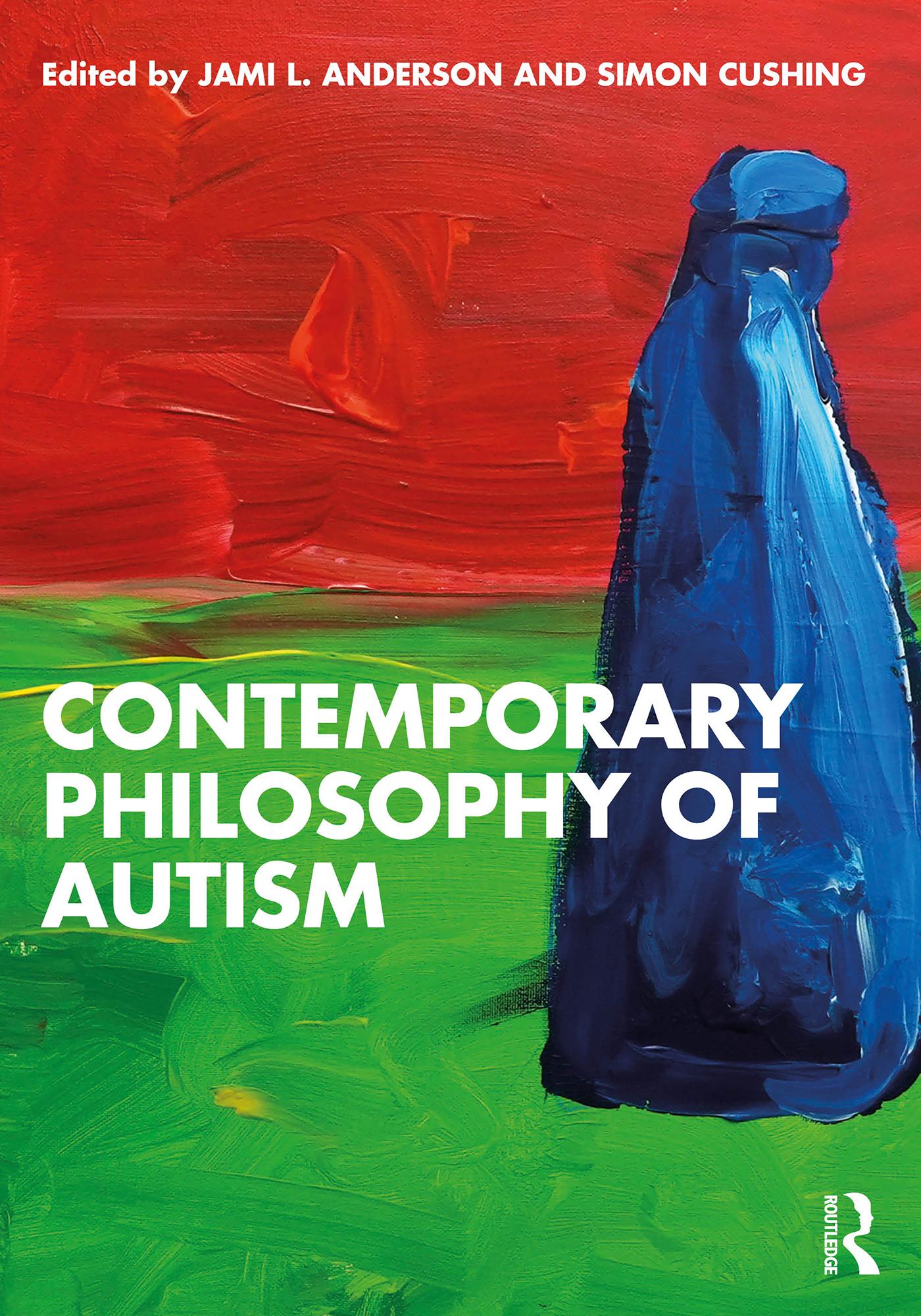
This volume explores interesting and emerging philosophical questions related to autism. It sheds light on the ways in which cultural attitudes about autism have changed in the decade since the editors published their first volume on the philosophy of autism.
So much about autism has changed in the last decade. Cultural attitudes about autism are far more nuanced. Self-identification as autistic has exploded, as have discussions of the political and social implications for being an out autistic person. This volume approaches a wide range of issues that autism raises in social and political theory, ethics, philosophy of social science, epistemology, metaphysics, and law. The issues addressed include moral responsibility, autism and gender, knowledge acquisition, the double empathy problem, social cognition, vulnerability in interpersonal communication, masking, the neurodiversity movement and destigmatization, and the effectiveness of ABA therapy. Each of the contributors, many of whom self-identify as autistic, has a personal connection with autism.
Contemporary Philosophy of Autism will appeal to researchers and graduate students working in philosophy of mind, philosophy of cognitive science, epistemology, philosophy of medicine, and disability studies. It will appeal to those working in other academic fields such as developmental psychology, neuropsychology, cognitive psychology, and education.
Betal nemt med kort, Klarna, Apple Pay eller Google Pay. Ikke tilfreds? Du har altid 14 dages fortrydelsesret. Læs mere i vores vilkår. Har du spørgsmål, så send os en mail på hello@memmo.org.
Memmo gør det nemmere at studere – uanset hvor du er i verden. Hos os samler du dine kursusbøger og smarte studieværktøjer ét sted: resuméer, quizzer, podcasts og flashcards. Og så er der Ted, din studieven, der svarer på alt, du undrer dig over. Over 50 000 studerende studerer allerede her – bygget til at hjælpe dig med at lære hurtigere og stresse mindre.