
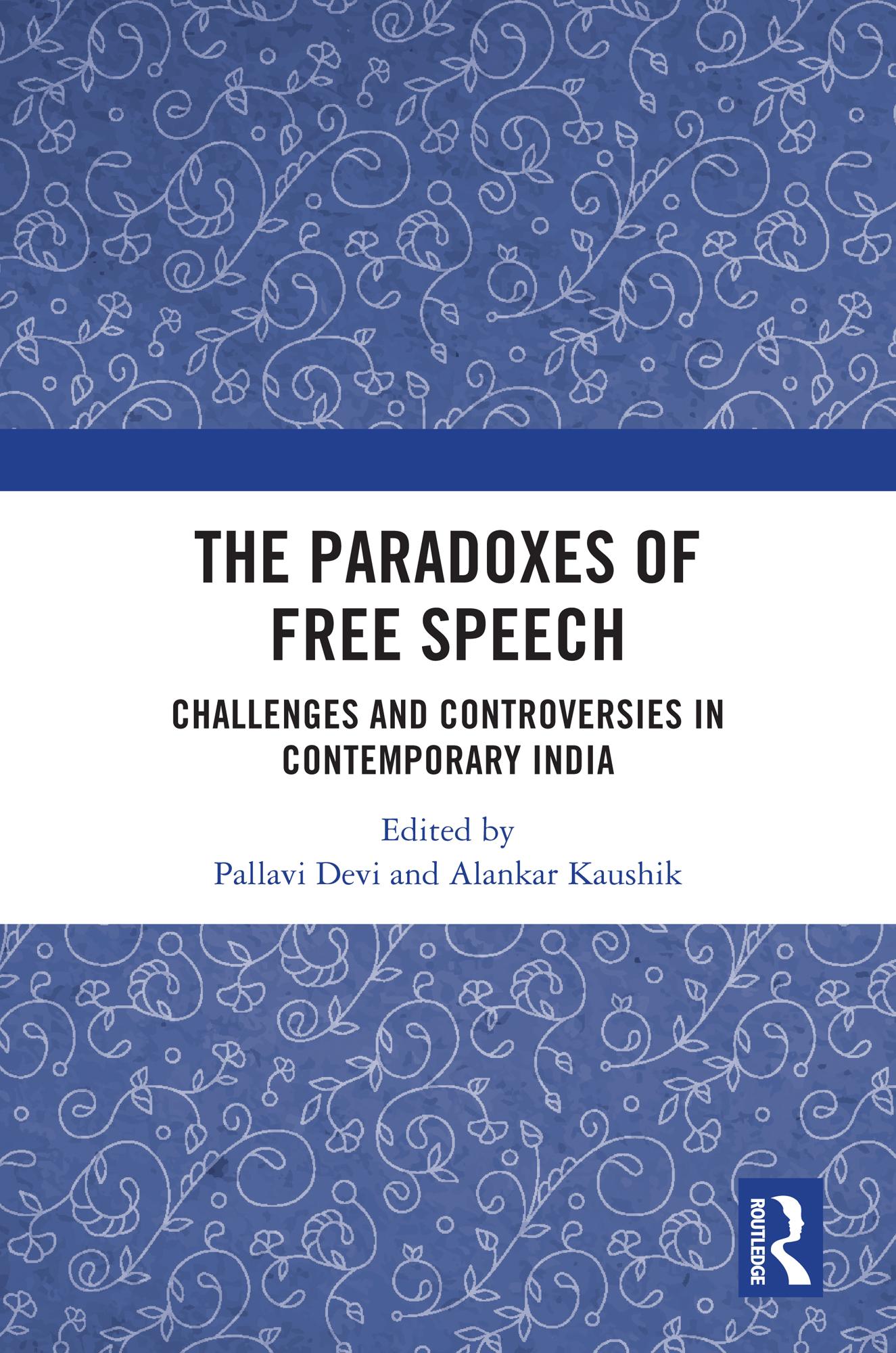
This book explores the enduring tensions between free expression and regulation in an era of disinformation, surveillance, and digital monopolies. It brings together leading legal scholars, journalists, and media experts to examine the normative justifications for free speech, its role in democracy, personal autonomy, and knowledge production, while addressing its evolving challenges.
The book traces the historical foundations of free speech, from colonial-era censorship to contemporary legal and philosophical debates. It examines the role of global tech giants like Google, Facebook, and Twitter in content regulation, exposing their lack of transparency and accountability. Key discussions include the dangers of algorithmic governance, the weaponization of fake news, and the judiciary’s role in interpreting free speech in the context of sedition, gendered struggle, hate speech, digital hate and violence and media freedoms. Additionally, the book features an insightful interview with a veteran Indian journalist on the shifting landscape of press freedom in India.
This book is an essential read for Constitutional law students, political scientists, researchers, policymakers, media professionals, and anyone interested in the future of free speech and expression in the world. It offers a nuanced understanding of how legal frameworks, technology, and politics shape the fundamental right to speech in today’s complex internet age.
Betal nemt med kort, Klarna, Apple Pay eller Google Pay. Ikke tilfreds? Du har altid 14 dages fortrydelsesret. Læs mere i vores vilkår. Har du spørgsmål, så send os en mail på hello@memmo.org.
Memmo gør det nemmere at studere – uanset hvor du er i verden. Hos os samler du dine kursusbøger og smarte studieværktøjer ét sted: resuméer, quizzer, podcasts og flashcards. Og så er der Ted, din studieven, der svarer på alt, du undrer dig over. Over 50 000 studerende studerer allerede her – bygget til at hjælpe dig med at lære hurtigere og stresse mindre.