
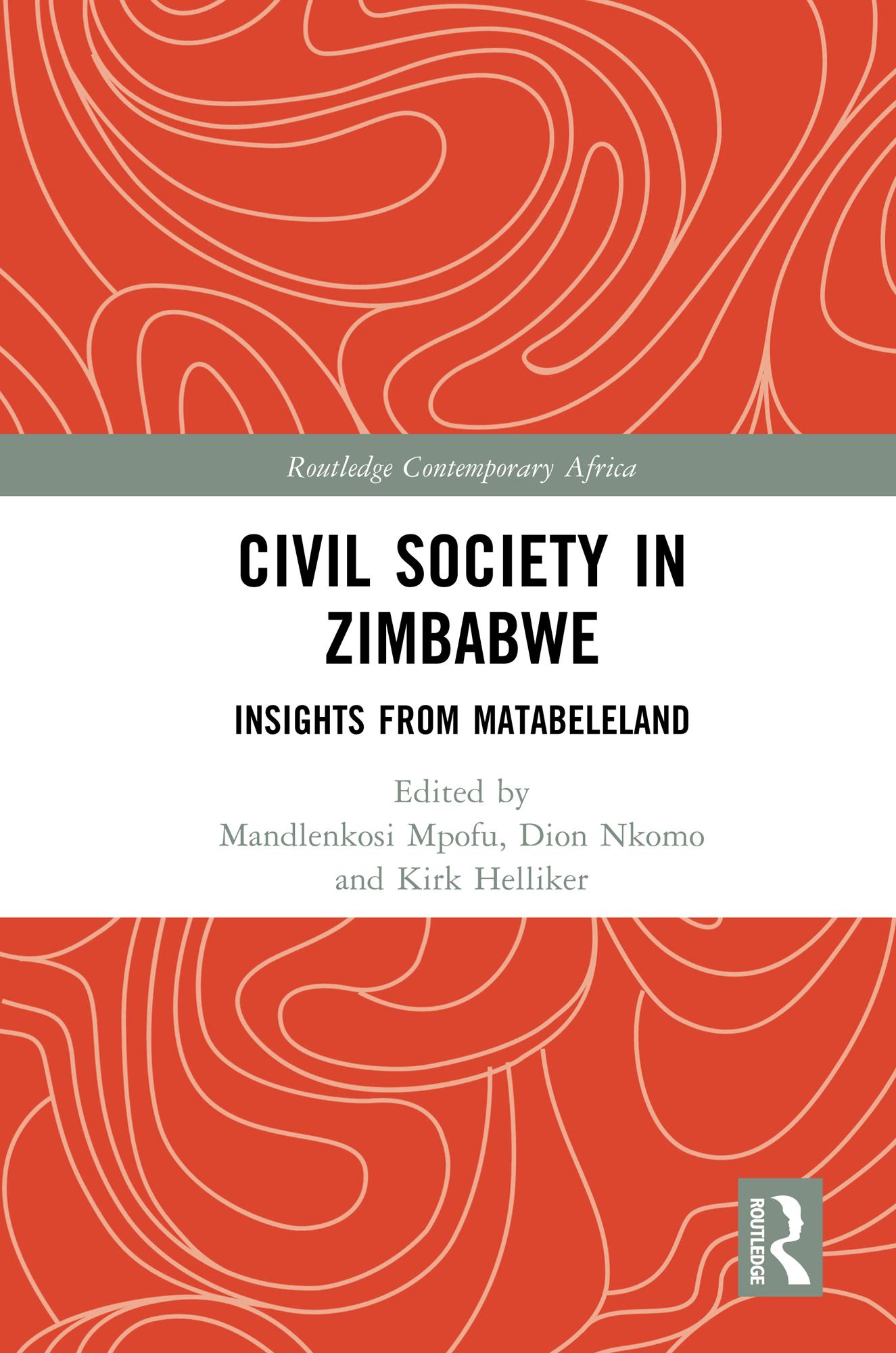
This book considers the historical and spatial dimensions of civil society in Zimbabwe’s Matabeleland region, an area suffering from severe development and democratic deficits over many decades.
Transcending an organisational conception of civil society and a simplistic state-civil society dualist understanding, it recognises the dynamic character of civil society as a social space, inclusive of less formalised associational forms of collective life, as well as the colonial character and legacies of civil society both analytically and empirically. This book facilitates a nuanced understanding of the specificities of the social, political, and economic evolution of Matabeleland in colonial and post-colonial Zimbabwe, and the region’s troubled relations with the central state. Historically, it traces civil society in Matabeleland from the region’s resistance against the colonial-settler state to contemporary struggles for justice given the unresolved Gukurahundi legacy. Civil society is depicted as constituted by a set of complex and shifting struggles for justice, not simply between Matabeleland and the central state, but also internally within Matabeleland along multiple fault lines including class and culture. The relevance of understanding civil society in Matabeleland, for Zimbabwe and Africa more widely, is brought to the fore.
The book will be of interest and value to scholars of civil society, politics and democratisation across the African continent.
Betal nemt med kort, Klarna, Apple Pay eller Google Pay. Ikke tilfreds? Du har altid 14 dages fortrydelsesret. Læs mere i vores vilkår. Har du spørgsmål, så send os en mail på hello@memmo.org.
Memmo gør det nemmere at studere – uanset hvor du er i verden. Hos os samler du dine kursusbøger og smarte studieværktøjer ét sted: resuméer, quizzer, podcasts og flashcards. Og så er der Ted, din studieven, der svarer på alt, du undrer dig over. Over 50 000 studerende studerer allerede her – bygget til at hjælpe dig med at lære hurtigere og stresse mindre.