
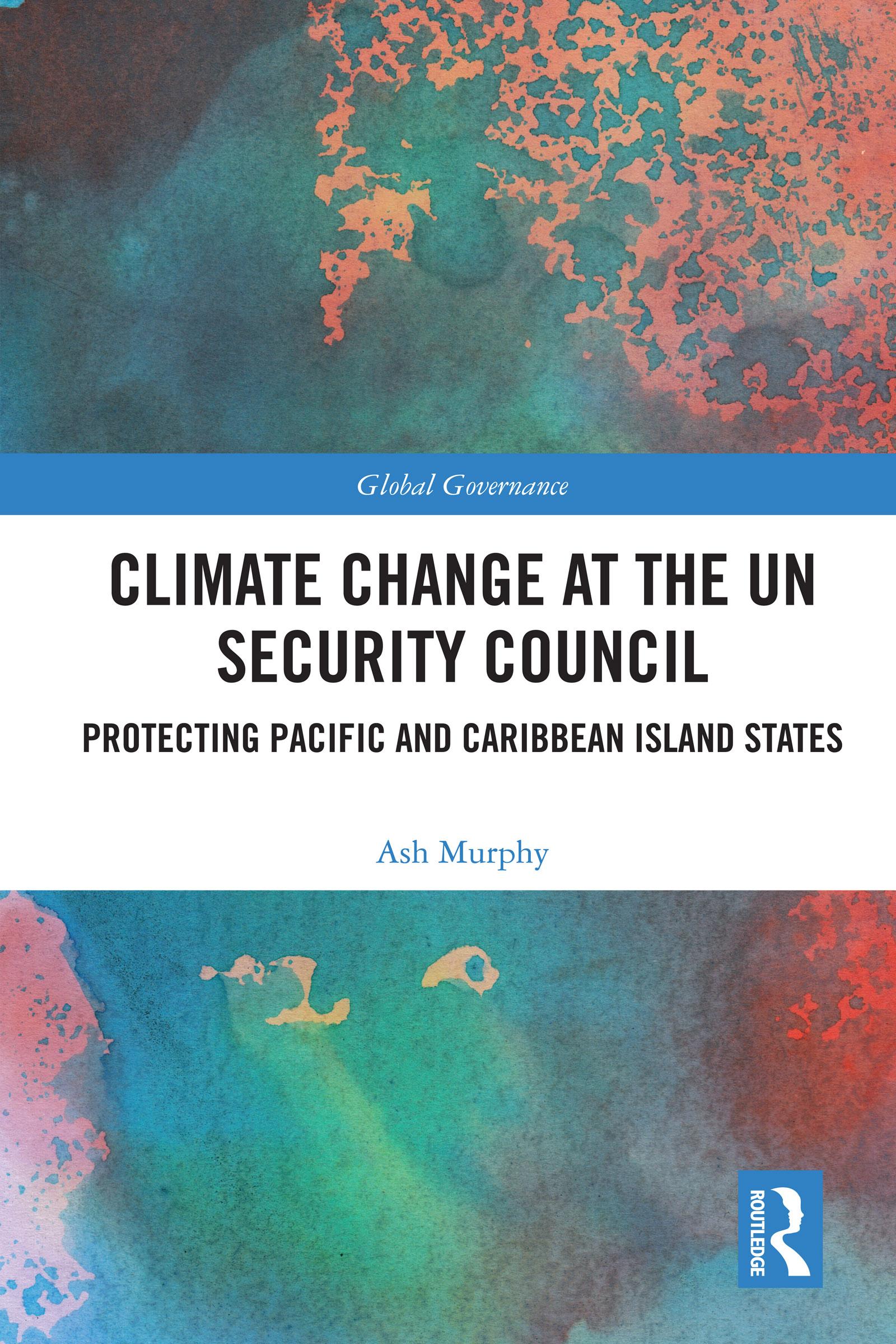
This book examines the operation of the United Nations Security Council (UNSC) to better understand the motivating factors that underpin its activation of Article 39. Arguing that climate change should be considered a threat to international peace and security, the theory of securitisation is employed to dissect the UNSC and identify the power dynamics that dictate when and why Article 39 is activated. Exploring how contemporary threats to peace and security can unite the agenda of the UNSC and shedding light on the narratives used to reach consensus, the author considers how this knowledge might be purposed to support the transition of climate change into the realm of Article 39. How necessary and useful a UNSC resolution would be is given thought, and a possible pathway to achieving it is outlined.
Aimed at academics and institutions that commentate on the UNSC, climate change, securitisation theory and undergraduate and postgraduate students of law, international relations, UN law, and those undertaking environmental studies, this book will also be of interest to practitioners and diplomats in and outside of the UN and anyone seeking to further the climate security nexus.
Betal nemt med kort, Klarna, Apple Pay eller Google Pay. Ikke tilfreds? Du har altid 14 dages fortrydelsesret. Læs mere i vores vilkår. Har du spørgsmål, så send os en mail på hello@memmo.org.
Memmo gør det nemmere at studere – uanset hvor du er i verden. Hos os samler du dine kursusbøger og smarte studieværktøjer ét sted: resuméer, quizzer, podcasts og flashcards. Og så er der Ted, din studieven, der svarer på alt, du undrer dig over. Over 50 000 studerende studerer allerede her – bygget til at hjælpe dig med at lære hurtigere og stresse mindre.