
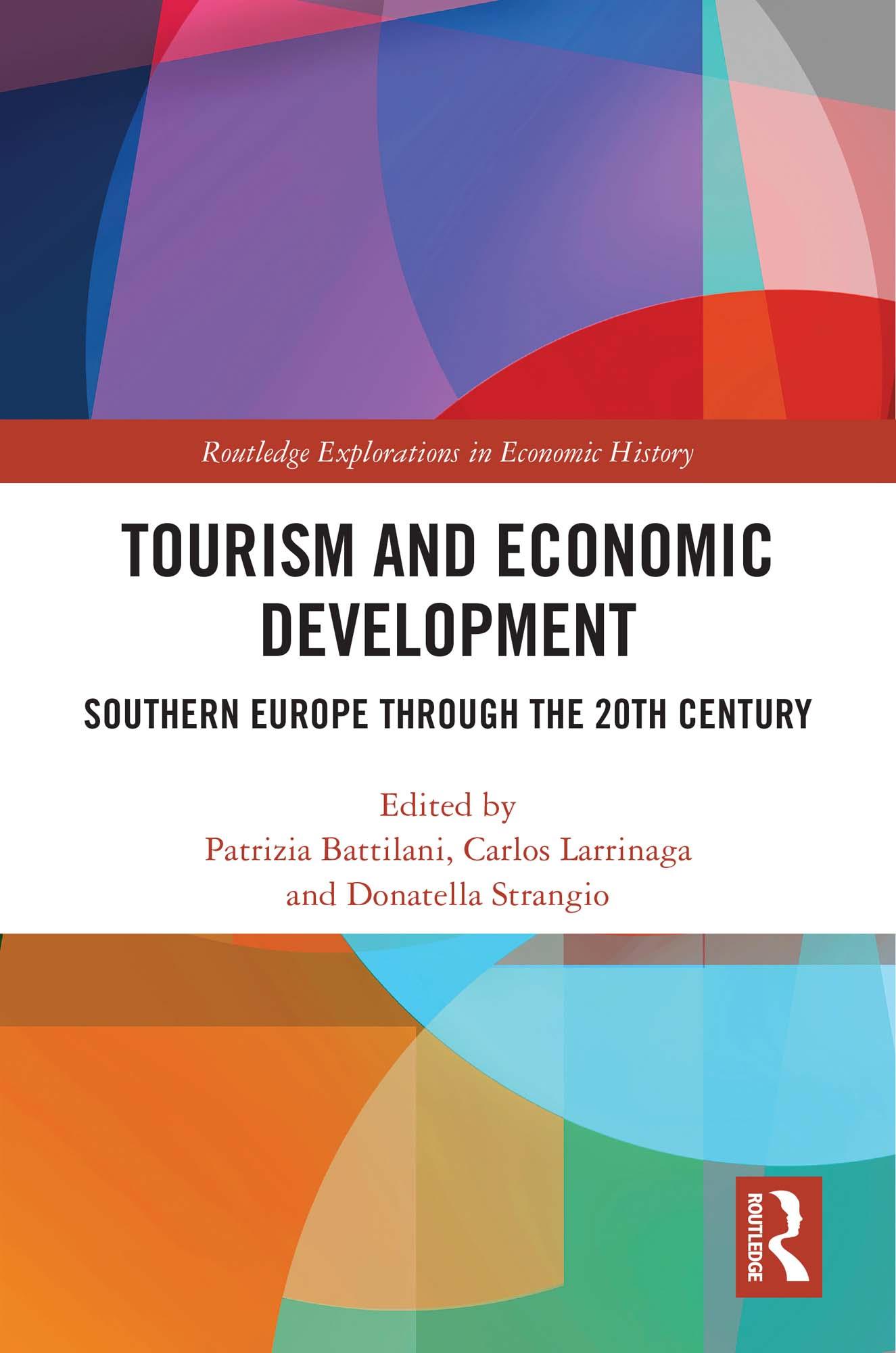
By the end of the 19th century, there were already some countries in southern Europe whose economies benefitted from the arrival of tourists. But it was during the 20th century, and particularly after the Second World War, that the phenomenon of mass tourism arrived and dramatically impacted the economies of southern Europe.
This edited volume analyses when, how, and why tourism gained an important role in the economy and social life of Southern Europe. It contributes to a reassessment of mass tourism focusing on two main dimensions: first, the impact on the economic development of the different southern European countries and second, the building of a new sociality focusing on the rituals and values of middle and the working class. This book adopts a comparative approach that opens with a comparison of European countries in terms of international market share and tourist products. The other chapters focus on national case studies that allow the reader to better understand not only the similarities and differences between some countries and others, but also the phenomenon as a whole. Since tourism is a transnational phenomenon, this book makes an important contribution to not only the study of tourism development and its economy but also social, impact in Southern Europe.
The book will be of great interest to readers of economic history, business history, tourism history, and European history more broadly.
Betal nemt med kort, Klarna, Apple Pay eller Google Pay. Ikke tilfreds? Du har altid 14 dages fortrydelsesret. Læs mere i vores vilkår. Har du spørgsmål, så send os en mail på hello@memmo.org.
Memmo gør det nemmere at studere – uanset hvor du er i verden. Hos os samler du dine kursusbøger og smarte studieværktøjer ét sted: resuméer, quizzer, podcasts og flashcards. Og så er der Ted, din studieven, der svarer på alt, du undrer dig over. Over 50 000 studerende studerer allerede her – bygget til at hjælpe dig med at lære hurtigere og stresse mindre.