
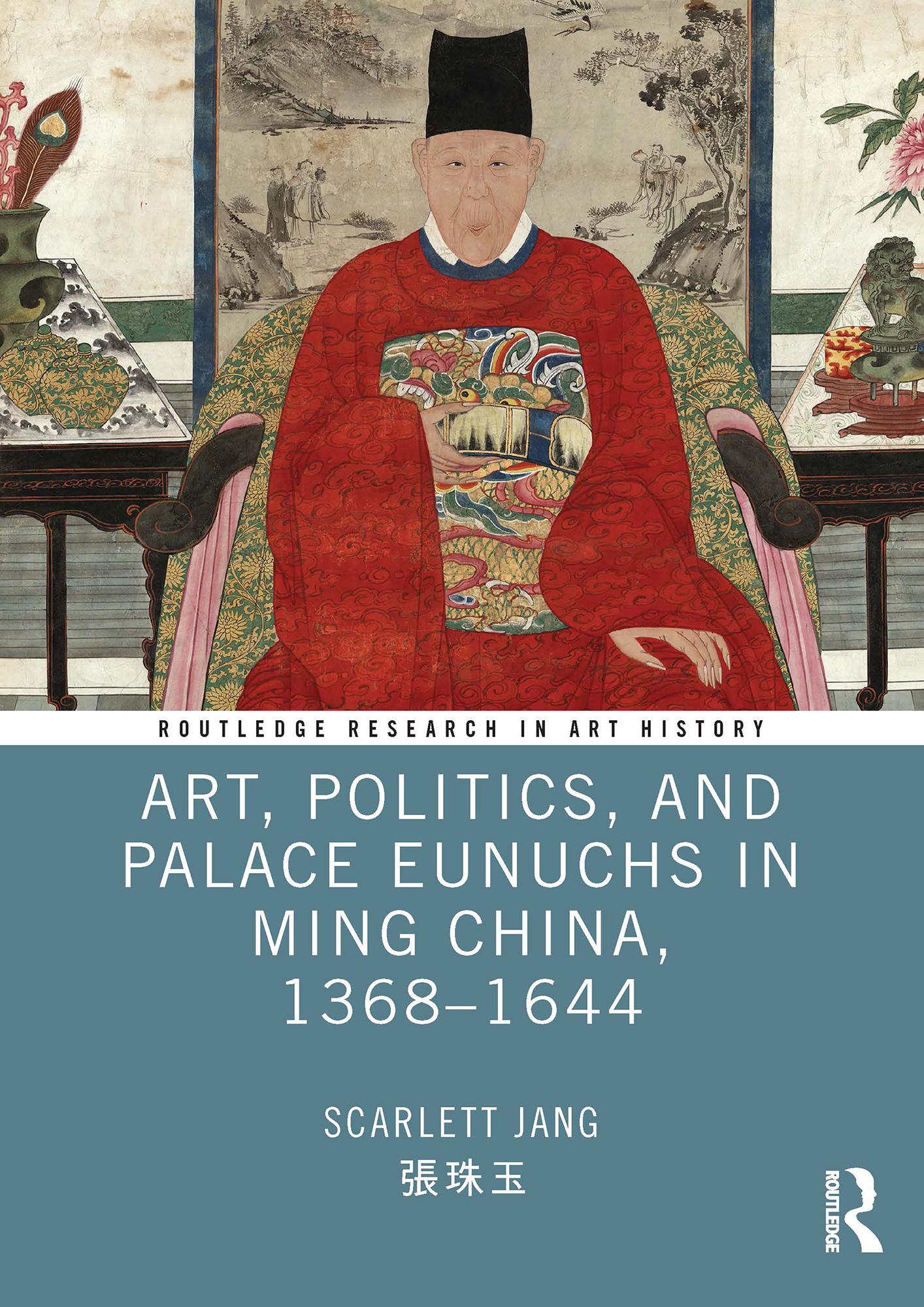
This is the first in-depth analysis of the place of the Ming palace eunuchs in the social history of Chinese art, examining the intricate intersections of art, politics, and palace eunuchs in the Ming dynasty.
In addition to articulating the elite eunuchs’ roles as important power brokers in the political arena, this monograph offers a balanced view of Ming eunuchs, with evidence of their accomplishments as book authors, editors, and compilers, poets, calligraphers, and art collectors, the Confucian scholars’ typical literati pursuits. By exploring both the positive and negative roles that palace eunuchs played in the Ming’s visual culture, this book reveals that Ming palace eunuchs, as supervisors of both the imperial art collection and the imperial art academy, and as powerful art collectors themselves, made various significant impacts on the contemporary art criticism, art market, and art-collecting patterns.
The book will be of interest to scholars working in art history, Sinology, and Chinese studies.
Betal nemt med kort, Klarna, Apple Pay eller Google Pay. Ikke tilfreds? Du har altid 14 dages fortrydelsesret. Læs mere i vores vilkår. Har du spørgsmål, så send os en mail på hello@memmo.org.
Memmo gør det nemmere at studere – uanset hvor du er i verden. Hos os samler du dine kursusbøger og smarte studieværktøjer ét sted: resuméer, quizzer, podcasts og flashcards. Og så er der Ted, din studieven, der svarer på alt, du undrer dig over. Over 50 000 studerende studerer allerede her – bygget til at hjælpe dig med at lære hurtigere og stresse mindre.