
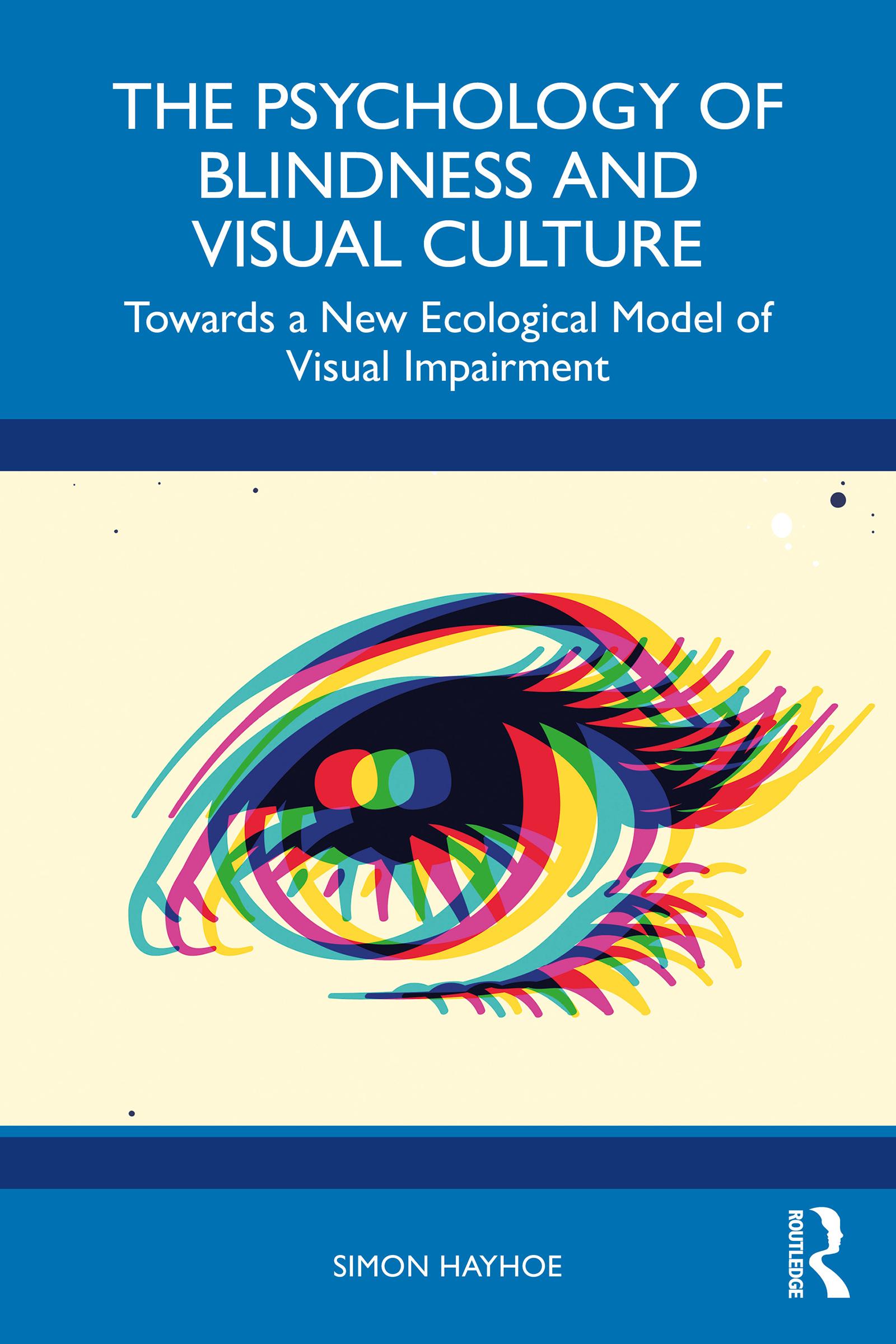
The Psychology of Blindness and Visual Culture: Towards a New Ecological Model of Visual Impairment advances the debate regarding the inclusion and wellbeing of people with visual impairment (PVI) through looking at the psychological nature of visual culture and its effects on the lived experience. It explores whether it is possible to increase access to visual culture for PVI through language, alternative sensory data or contemporary communication media, and in so doing, questions whether or not communication and culture are intrinsically visual.
Occupying a unique field of study by focusing on the understanding of visual culture and visual communication by PVI in real-world settings, this empirical book examines the difference between the understanding of visual culture and visual communication by PVI who acquire their visual impairments late in life and PVI who acquire their visual impairments early in life. Understanding these concepts not only helps us to understand how PVI feel socially included in visual culture, but also how culture and artifacts are conceptualized verbally, culturally and through the senses.
It is compelling reading for advanced students of psychology and philosophy, and those studying learning in cultural settings, and in museum studies, computer science, disability studies, education and fine art management.
Betal nemt med kort, Klarna, Apple Pay eller Google Pay. Ikke tilfreds? Du har altid 14 dages fortrydelsesret. Læs mere i vores vilkår. Har du spørgsmål, så send os en mail på hello@memmo.org.
Memmo gør det nemmere at studere – uanset hvor du er i verden. Hos os samler du dine kursusbøger og smarte studieværktøjer ét sted: resuméer, quizzer, podcasts og flashcards. Og så er der Ted, din studieven, der svarer på alt, du undrer dig over. Over 50 000 studerende studerer allerede her – bygget til at hjælpe dig med at lære hurtigere og stresse mindre.