
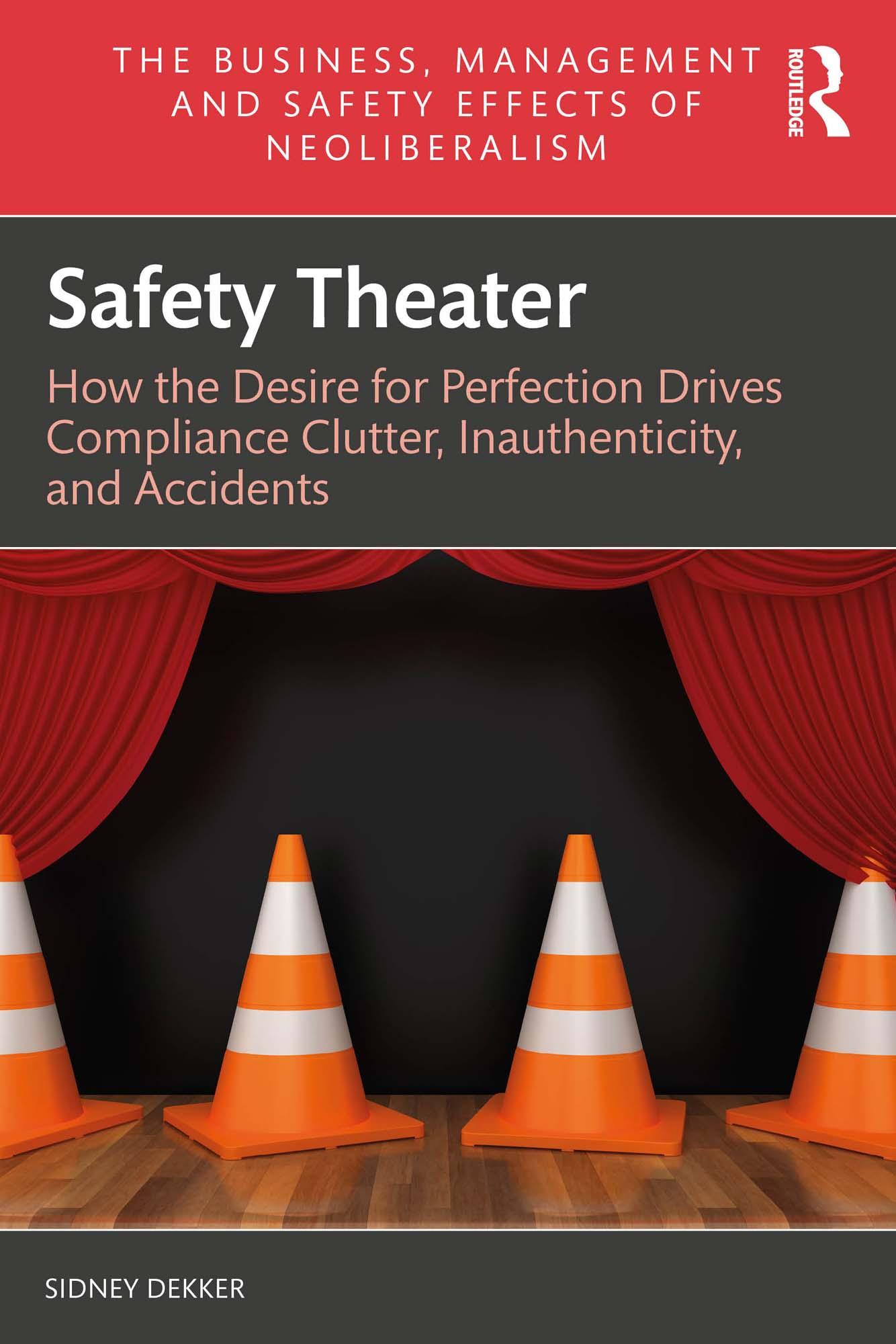
How is it possible that the desire for a perfectly safe world with perfectly safe workplaces helps generate the opposite? Safety Theater shows how our desire for perfection drives compliance clutter, inauthentic relationships with work-as-done, and new kinds of accidents. Written by the leading global voice on safety innovation today, Safety Theater takes us back to the Enlightenment and its aspiration toward a perfectible world through rationality and science, and explains how, by separating severity from injury rates two centuries later, we now hit our targets but miss the point. This hopeful, forward-looking book is the final volume in a three-part series on the effects of "neoliberalism," which promotes the role of the private sector in the economy.
Showcasing a more caring kind of capitalism—where free markets are free in a frame; where horizontal coordination replaces hierarchical control; where shareholders are not the only stakeholders; and where value and prosperity are assessed in terms other than merely economic ones—the book platforms much of what is now known as "safety differently," and also allows us to think differently about our capacity to manage complexity (including its possible drift toward failure) and see our fellow human beings as resources for solutions, not as problems to control. Safety Theater introduces the socio-economic success and value system that distinguish Rhineland economies from Anglo ones. It explains how complexity can never be governed through hierarchy and compliance, but necessarily requires trust and horizontal coordination; offers a vision of humanity richer than Anglo-style capitalism can offer; and examines how Rhineland thinking values tripartite consultation (between workers, employers, and government) in ways that can help stem the worst effects of free market policymaking on the compliance clutter and drift into failure, as detailed in the previous two volumes in this trilogy.
Sidney Dekker’s work—from his debut Field Guide to Understanding Human Error in 2001 to his recent Random Noise—always challenges readers to embrace more humane, empowering ways to think about work and its quality and safety. In Safety Theater, Dekker extends his reach once again, writing for all managers, board members, organization leaders, consultants, practitioners, researchers, lecturers, students, and investigators curious to understand the genuine nature of organizational and safety performance.
Betal nemt med kort, Klarna, Apple Pay eller Google Pay. Ikke tilfreds? Du har altid 14 dages fortrydelsesret. Læs mere i vores vilkår. Har du spørgsmål, så send os en mail på hello@memmo.org.
Memmo gør det nemmere at studere – uanset hvor du er i verden. Hos os samler du dine kursusbøger og smarte studieværktøjer ét sted: resuméer, quizzer, podcasts og flashcards. Og så er der Ted, din studieven, der svarer på alt, du undrer dig over. Over 50 000 studerende studerer allerede her – bygget til at hjælpe dig med at lære hurtigere og stresse mindre.