
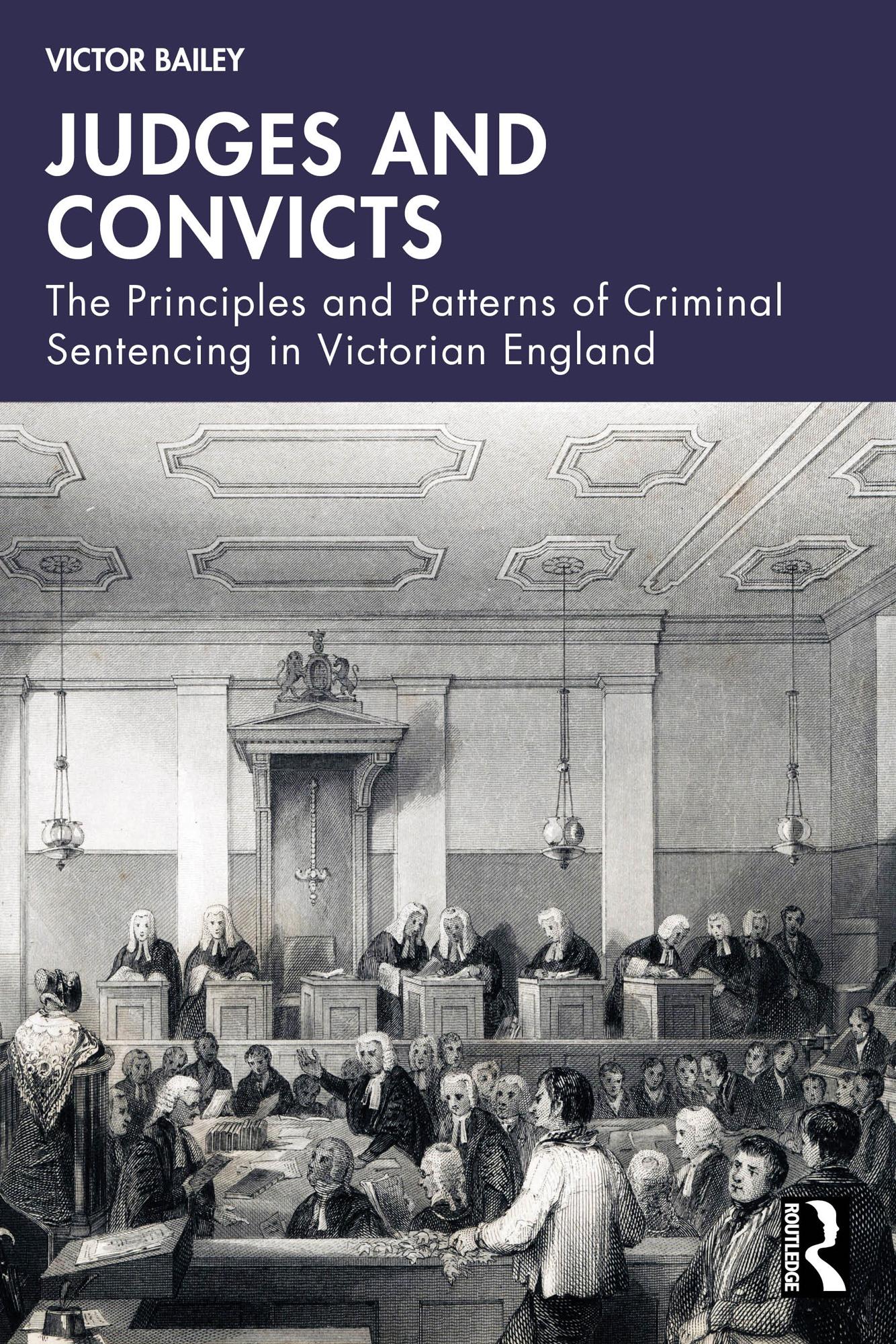
Uncovering the origins of the new sentencing structure that emerged in the course of the nineteenth century, this book travels from the demise of the "Bloody Code" in the 1830s, through the mid-century transition from convict transportation to home-based penal servitude, and on to the remarkable and unprecedented mitigation of sentencing severity in the final two decades of the century.
By providing such an extended span of analysis, this book reveals the discrete stages of development in sentencing policy and practice, and particularly the contribution of the small coterie of professional judges at the county Assizes, the Old Bailey (or Central Criminal Court), and the Middlesex Sessions, around whose sentencing decisions the study revolves. In consequence, readers are offered an overarching survey of the nineteenth-century trends in sentencing, including an account of the struggle between politicians, mandarins, and judges for supremacy in sentencing, along with a detailed explanation of that remarkable mitigation of sentencing severity that ultimately defined a new equation between crime and punishment, or the modern sentencing tariff.
Judges and Convicts: The Principles and Patterns of Criminal Sentencing in Victorian England will be of great appeal to students and scholars of history, law, criminology, and sociology, particularly to those with an interest in the history of the criminal trial, the judiciary, punishment, and sentencing.
Betal nemt med kort, Klarna, Apple Pay eller Google Pay. Ikke tilfreds? Du har altid 14 dages fortrydelsesret. Læs mere i vores vilkår. Har du spørgsmål, så send os en mail på hello@memmo.org.
Memmo gør det nemmere at studere – uanset hvor du er i verden. Hos os samler du dine kursusbøger og smarte studieværktøjer ét sted: resuméer, quizzer, podcasts og flashcards. Og så er der Ted, din studieven, der svarer på alt, du undrer dig over. Over 50 000 studerende studerer allerede her – bygget til at hjælpe dig med at lære hurtigere og stresse mindre.