
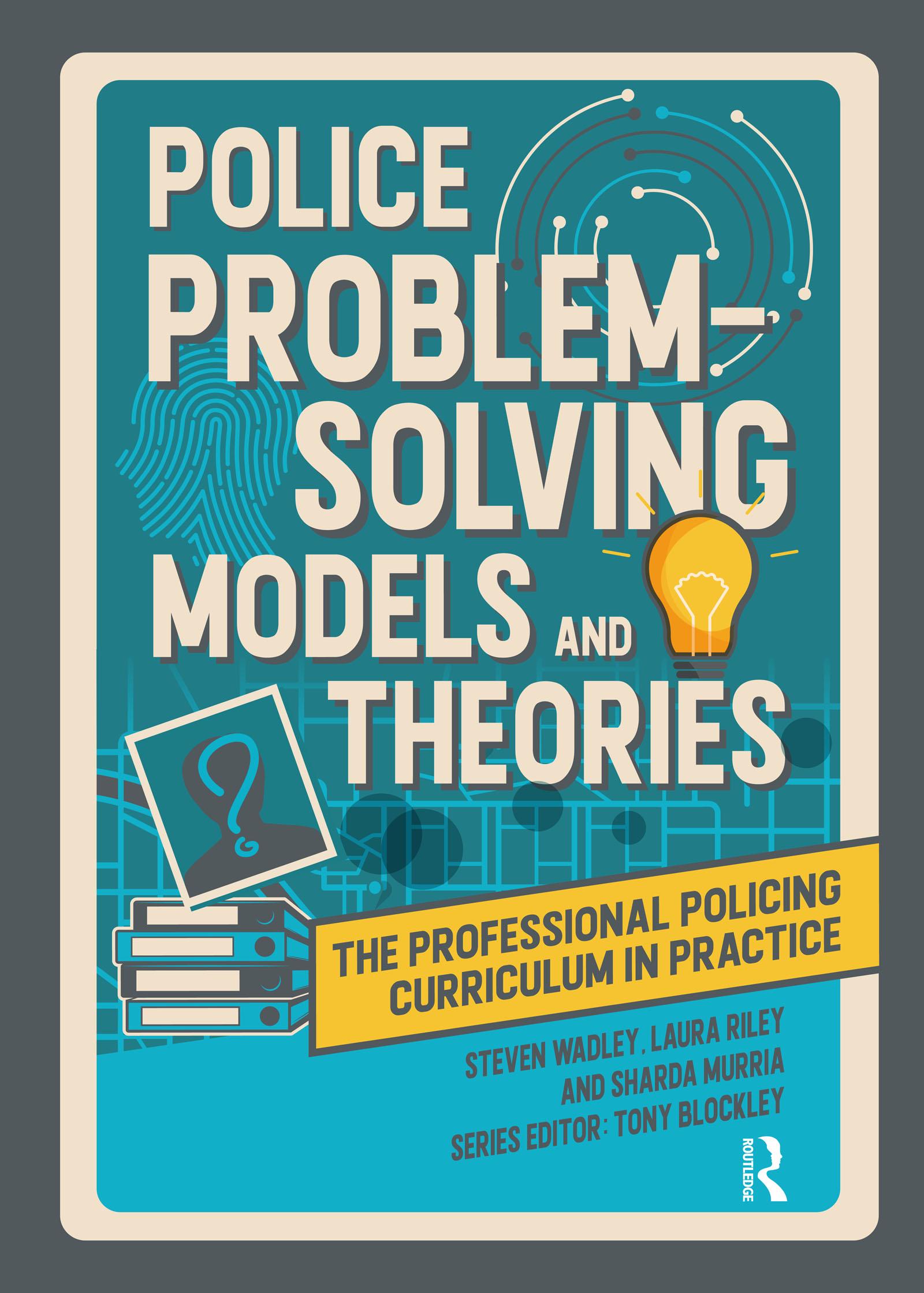
Addresses the policing models and concepts which underpin officers' daily decision making. It clearly relates theory to practice and promotes transferrable skills including critical thinking and case study analysis.
This book offers the reader a comprehensive understanding of problem-solving models and policing theory. The approach bridges the gap between academic understanding and practical considerations, and situates police decision making within ethical frameworks adopted by police services in England and Wales. It also draws attention to the legislation which underpins the context of problem solving and the policies which inform this. Models are discussed in relation to theoretical underpinnings and implementation is examined through policy and legislation, historical success and limitations.
Critical thinking is a must for all police officers present and future and, as such, readers are challenged to consider decision making and the impact of their choices for both themselves as police officers and the wider community that they will go on to serve. Chapters cover neighbourhood, 'hot spot' and predictive policing, rational choice theory, situational crime prevention and partnership working. Readers can benefit from reading the text cover to cover to gain a developing understanding of the topic, or they can use it to reference key principles and ideas.
This text is part of the Professional Policing Curriculum in Practice series.
Betal nemt med kort, Klarna, Apple Pay eller Google Pay. Ikke tilfreds? Du har altid 14 dages fortrydelsesret. Læs mere i vores vilkår. Har du spørgsmål, så send os en mail på hello@memmo.org.
Memmo gør det nemmere at studere – uanset hvor du er i verden. Hos os samler du dine kursusbøger og smarte studieværktøjer ét sted: resuméer, quizzer, podcasts og flashcards. Og så er der Ted, din studieven, der svarer på alt, du undrer dig over. Over 50 000 studerende studerer allerede her – bygget til at hjælpe dig med at lære hurtigere og stresse mindre.