
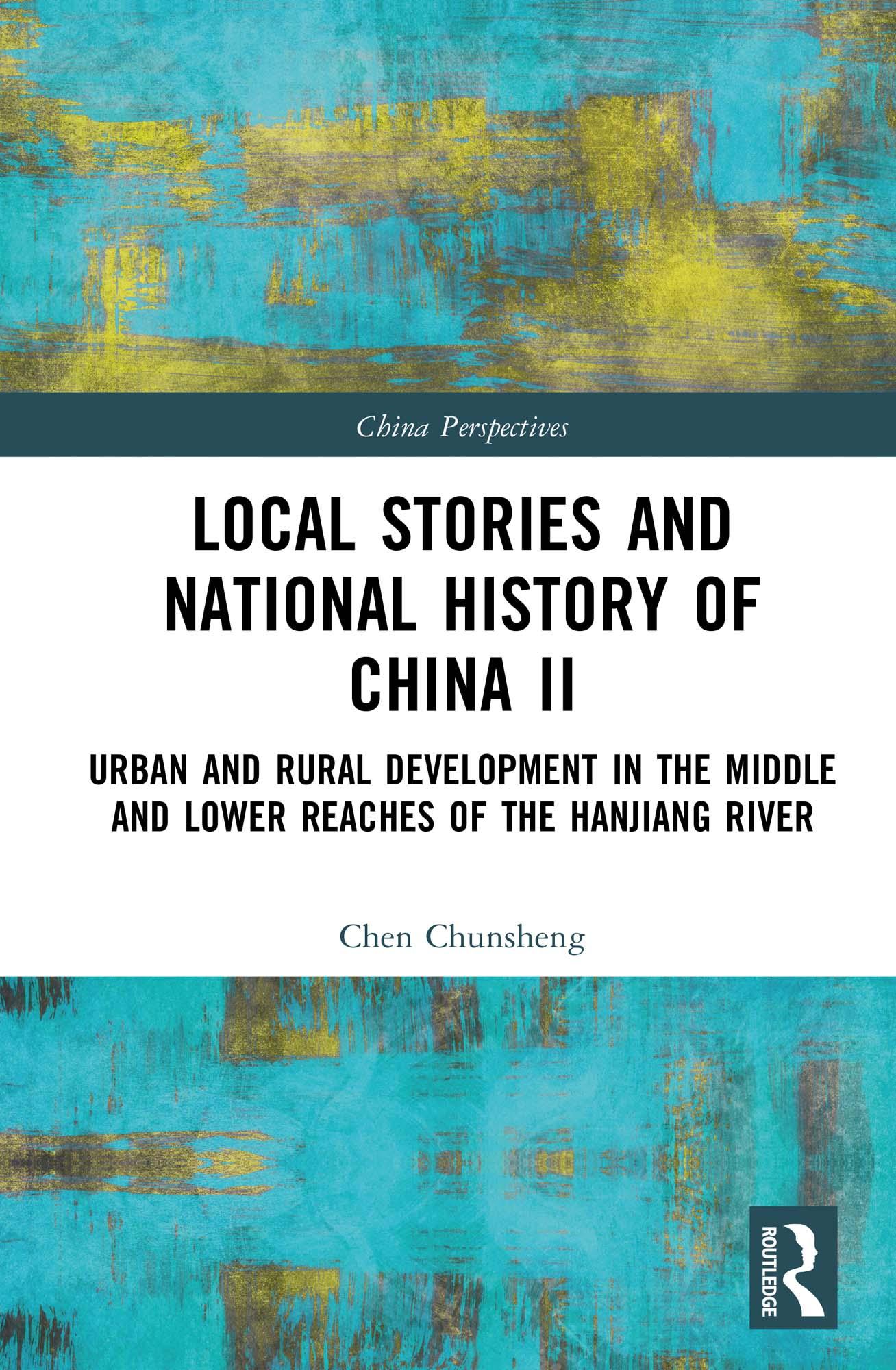
This book is the second in a two-volume set examining the social history of the Hanjiang River region in southern China from the Song Dynasty to the modern era. It explores how clan structures, temple networks, and overseas Chinese communities shaped the region’s development.
The volume first analyzes the evolution of social power structures during the Qing Dynasty, showing how state systems influenced local development through clan organization and maritime trade networks. It then looks at how Shantou grew as an important city, and how Chinese charities, beliefs, and networks around the South China Sea grew too. The text documents the region’s transformation into a distinctive “hometown” society, defined by its overseas connections and evolving cultural identities.
This volume is an essential resource for scholars and students of pre-modern and modern Chinese social history, historical anthropology, China’s modern trade networks, overseas communities, and diaspora studies.
Betal nemt med kort, Klarna, Apple Pay eller Google Pay. Ikke tilfreds? Du har altid 14 dages fortrydelsesret. Læs mere i vores vilkår. Har du spørgsmål, så send os en mail på hello@memmo.org.
Memmo gør det nemmere at studere – uanset hvor du er i verden. Hos os samler du dine kursusbøger og smarte studieværktøjer ét sted: resuméer, quizzer, podcasts og flashcards. Og så er der Ted, din studieven, der svarer på alt, du undrer dig over. Over 50 000 studerende studerer allerede her – bygget til at hjælpe dig med at lære hurtigere og stresse mindre.