
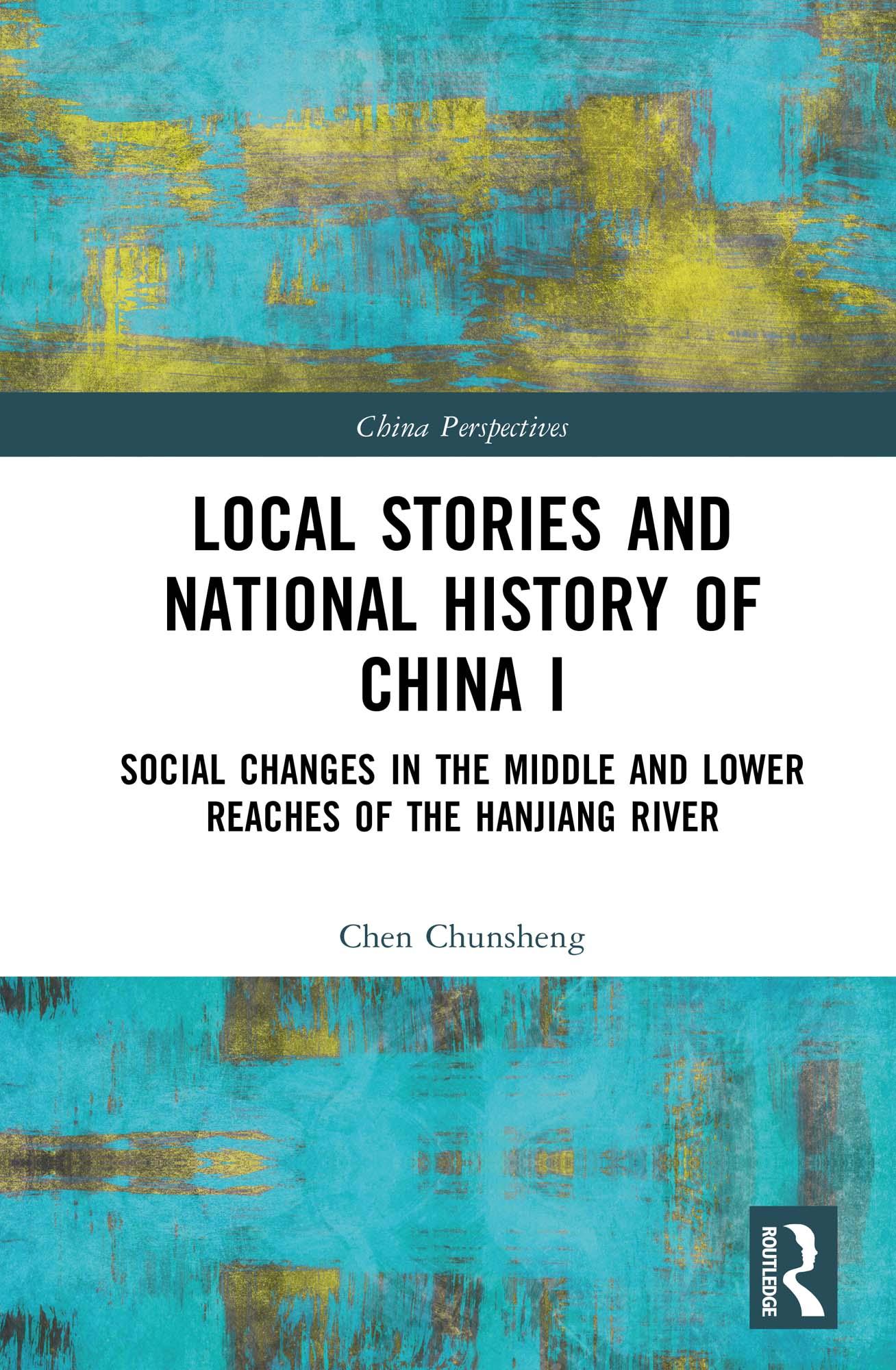
This book is the first of a two-volume set examining the social history of the Hanjiang River region of southern China. It studies the complex social fabric of the region from the Song Dynasty to the early Qing Dynasty, focusing on religious practices, ethnic relations, and social change.
The first part presents the region’s geography and history, and sets out the methods for studying its social history. The second part of this book is about the formation of social order between the Song and mid-Ming dynasties. It explores religious beliefs, coastal defense systems, and the governance of ethnic groups. The final part analyzes the relationship between “bandits” and “people” in the mid-Ming and early Qing periods, using local literature, religious practices, and settlement patterns. This analysis reveals how rural militarization and dynastic influence shaped territorial society in the late Ming and early Qing.
This title is an essential resource for scholars and students of pre-modern Chinese social history, historical anthropology, religious studies, maritime history, and ethnic relations.
Betal nemt med kort, Klarna, Apple Pay eller Google Pay. Ikke tilfreds? Du har altid 14 dages fortrydelsesret. Læs mere i vores vilkår. Har du spørgsmål, så send os en mail på hello@memmo.org.
Memmo gør det nemmere at studere – uanset hvor du er i verden. Hos os samler du dine kursusbøger og smarte studieværktøjer ét sted: resuméer, quizzer, podcasts og flashcards. Og så er der Ted, din studieven, der svarer på alt, du undrer dig over. Over 50 000 studerende studerer allerede her – bygget til at hjælpe dig med at lære hurtigere og stresse mindre.