
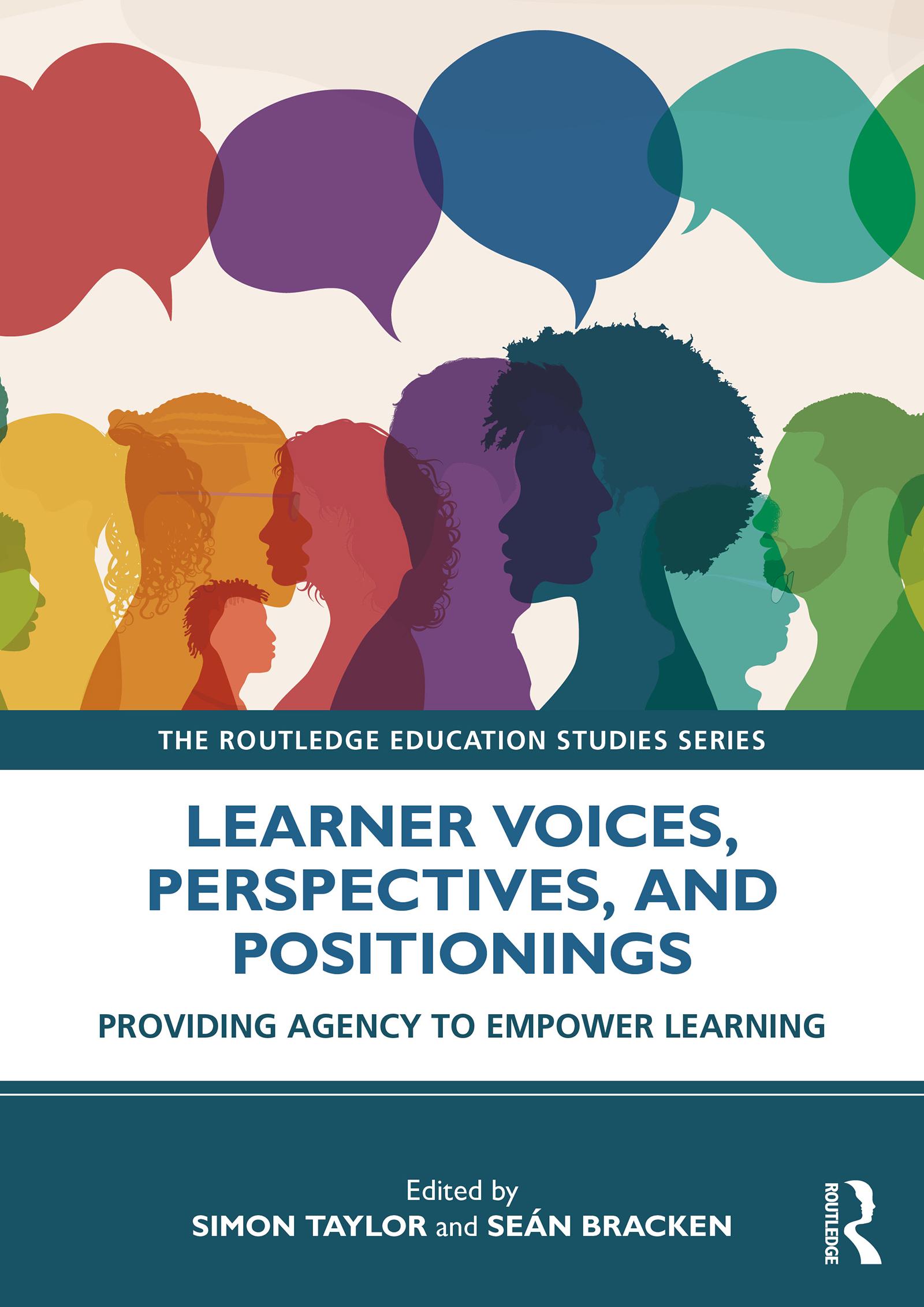
This book explores the multifaceted concept of learner voice in education, emphasising its significance across various contexts and historical periods. It brings together diverse perspectives from multiple authors, addressing how learner agency can shape educational practices and policies, particularly in contemporary settings.
The chapters delve into critical themes such as the influence of teachers' beliefs on student learning, the impact of polarisation in our current educational discourse and the historical voices of children in Victorian schools. Notable case studies include a narrative approach to understanding higher education students' experiences and the examination of learner voice within prison education. The book also addresses pressing issues such as the representation of marginalised voices and the importance of inclusive practices in school leadership and curriculum design. Groundbreaking content includes discussions on "epistemic violence", highlighting the need for a more nuanced, considered and critically aware approach to learner representation.
This important collection will be essential reading for educational studies students and trainee teachers, as well as educators working in further or higher education. It provides practical insights and theoretical frameworks that constitute a roadmap for strengthening diverse learners’ voice and agency, thereby advancing educational equity and inclusion for all.
Betal nemt med kort, Klarna, Apple Pay eller Google Pay. Ikke tilfreds? Du har altid 14 dages fortrydelsesret. Læs mere i vores vilkår. Har du spørgsmål, så send os en mail på hello@memmo.org.
Memmo gør det nemmere at studere – uanset hvor du er i verden. Hos os samler du dine kursusbøger og smarte studieværktøjer ét sted: resuméer, quizzer, podcasts og flashcards. Og så er der Ted, din studieven, der svarer på alt, du undrer dig over. Over 50 000 studerende studerer allerede her – bygget til at hjælpe dig med at lære hurtigere og stresse mindre.