
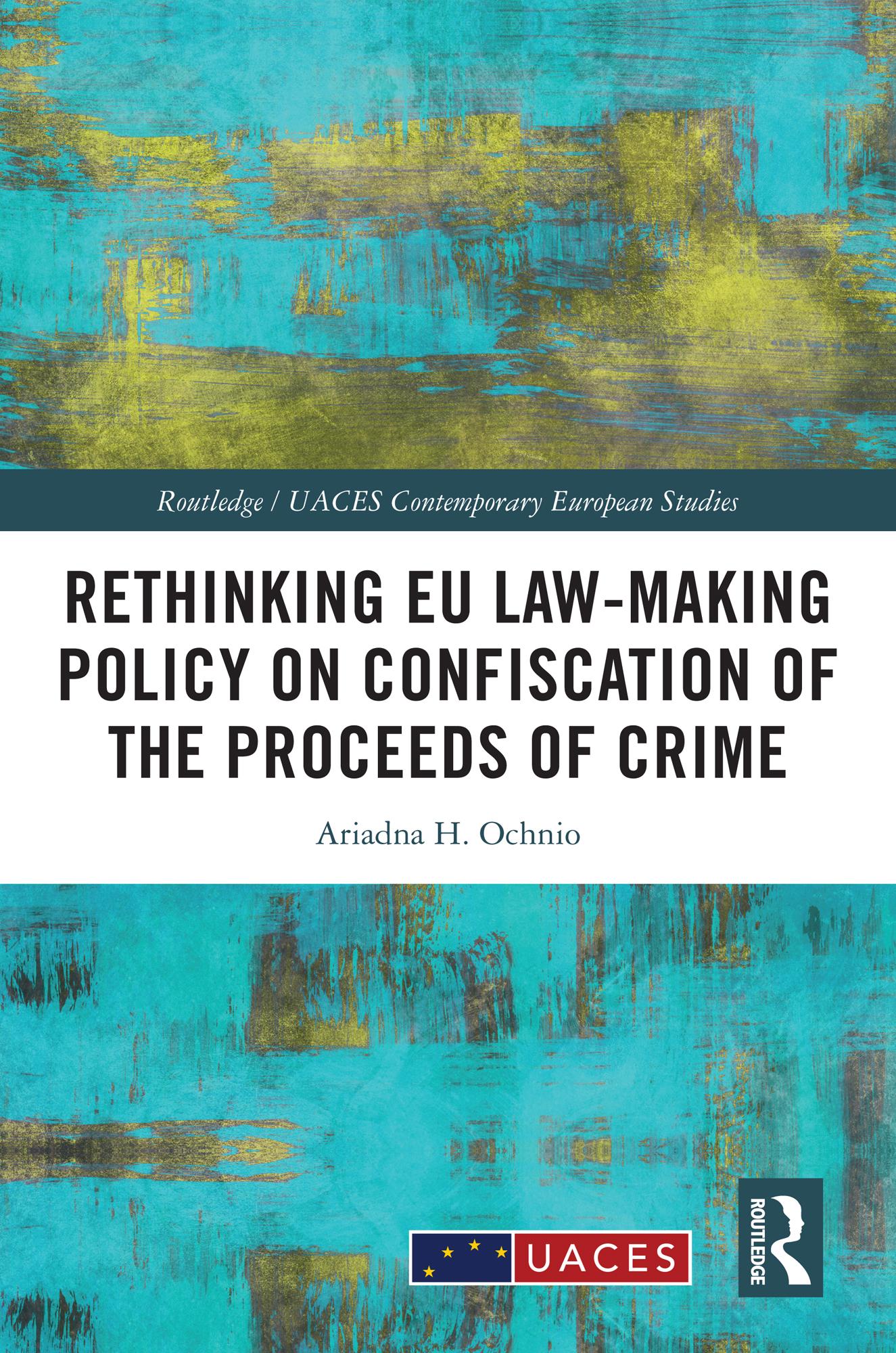
The book provides a critical analysis of EU law-making policy on the confiscation of the proceeds of crime, using a minimalist restorative approach to justice focused on the rights of victims and communities, and more proactive roles for all participants in confiscation procedures.
This book shows how the examined policy has been translated into the EU law standards adopted as its realisation and whether the gaps identified in these standards are reflected in the domestic law of the comparator EU jurisdictions: Poland, Germany, and France. The post-conviction confiscation regime in England and Wales is also explored as an example of an alternative non-EU model of value-based confiscation. Considering the complex juridical nature of confiscation, which challenges the applicability of the civil–criminal dichotomy, this book recommends a twofold approach when shaping EU confiscation mechanisms, focused on linking policy objectives with a restorative approach to justice, and making the appropriate choice of criminal or civil routes for confiscation.
This book will be of key interest to scholars, students, and practitioners in EU policy and law, criminal law, EU and national law on confiscation, EU criminal justice policy, and more broadly to European studies, criminology, and international organisations.
Betal nemt med kort, Klarna, Apple Pay eller Google Pay. Ikke tilfreds? Du har altid 14 dages fortrydelsesret. Læs mere i vores vilkår. Har du spørgsmål, så send os en mail på hello@memmo.org.
Memmo gør det nemmere at studere – uanset hvor du er i verden. Hos os samler du dine kursusbøger og smarte studieværktøjer ét sted: resuméer, quizzer, podcasts og flashcards. Og så er der Ted, din studieven, der svarer på alt, du undrer dig over. Over 50 000 studerende studerer allerede her – bygget til at hjælpe dig med at lære hurtigere og stresse mindre.