
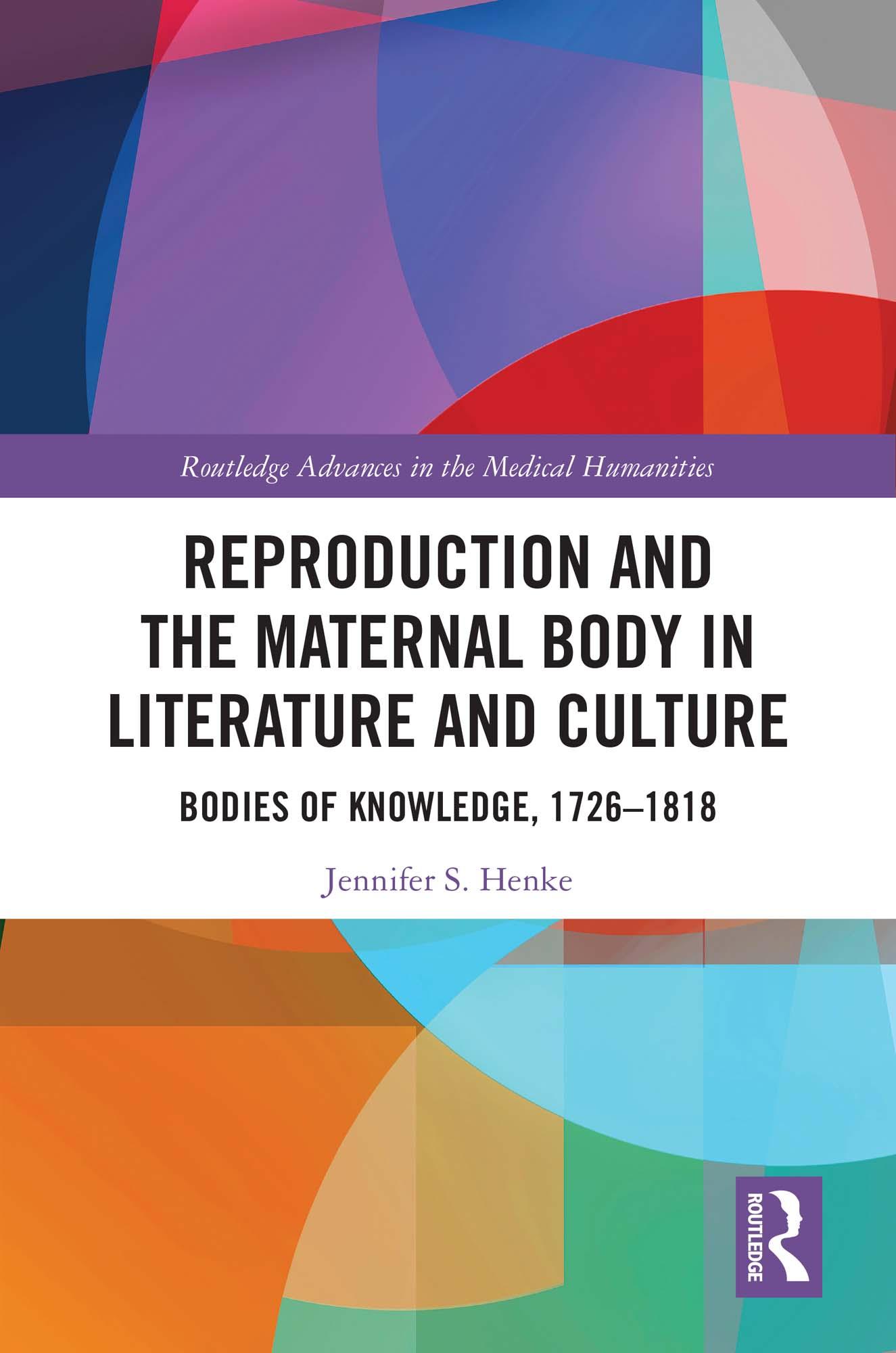
This book examines a selection of texts to discuss how midwifery, obstetrics and women’s bodies were constructed during the (long) eighteenth century, and how these material-discursive entanglements between science, medicine, literature and culture have shaped society's views of pregnancy, childbirth and reproduction.
Drawing on theories from disciplines such as feminist new materialism, this book traces the history of both the reproductive body and the pluralistic medical knowledges that attended to pregnancy and childbirth during the Enlightenment and early Romanticism in Britain. It identifies the significance of literary and cultural artefacts in this knowledge formation, including the materiality of the female reproductive body itself, and raises awareness of myths about pregnancy and childbirth that persist today. This book features chapters exploring Jonathan Swift’s Gulliver’s Travels, John Cleland’s Fanny Hill, Laurence Sterne’s Tristram Shandy, Eliza Fenwick’s Secresy, Or: The Ruin on the Rock, Mary Wollstonecraft’s Maria, Or: The Wrongs of Woman, and Mary Shelley’s Frankenstein.
Reproduction and the Maternal Body in Literature and Culture is an innovative and interdisciplinary contribution to the medical humanities and feminist philosophy of science and will interest scholars from a range of backgrounds, including literature and cultural studies, midwifery, medicine and history.
Betal nemt med kort, Klarna, Apple Pay eller Google Pay. Ikke tilfreds? Du har altid 14 dages fortrydelsesret. Læs mere i vores vilkår. Har du spørgsmål, så send os en mail på hello@memmo.org.
Memmo gør det nemmere at studere – uanset hvor du er i verden. Hos os samler du dine kursusbøger og smarte studieværktøjer ét sted: resuméer, quizzer, podcasts og flashcards. Og så er der Ted, din studieven, der svarer på alt, du undrer dig over. Over 50 000 studerende studerer allerede her – bygget til at hjælpe dig med at lære hurtigere og stresse mindre.