
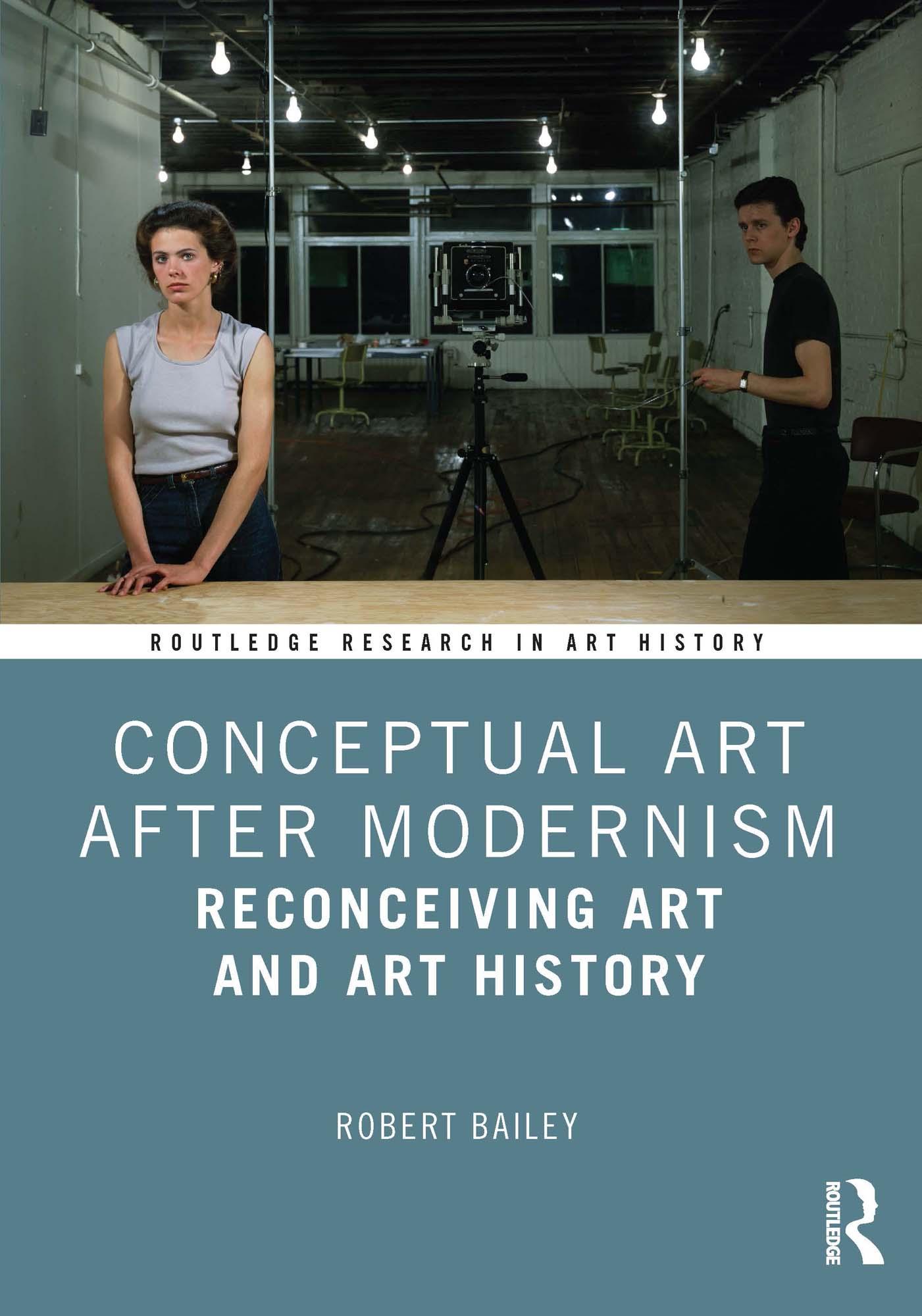
This study provides a new interpretation of art after modernism by foregrounding the importance of conceptual thinking as a pervasive force for change in art and art history since 1950.
Robert Bailey shows how distinctions between art and art history gave way as conceptual thinking provided artists and art historians with a common means to reassess what art could be and do in the world. Bailey assesses the results of artful and scholarly inquiries combining creative activity with intellectual rigor to proffer new approaches to a variety of social and environmental concerns, ranging from questions about human identity—including race, class, gender, and sexuality—to activist efforts to redress everything from abortion access to migrants’ rights, to climate change. This book provides both a historical overview of these developments and close analyses of key works and texts, spanning 1950 to the present and encompassing broad geographic scope with special attention paid to Indigenous art.
The book will be of interest to scholars working in art history and contemporary art.
Betal nemt med kort, Klarna, Apple Pay eller Google Pay. Ikke tilfreds? Du har altid 14 dages fortrydelsesret. Læs mere i vores vilkår. Har du spørgsmål, så send os en mail på hello@memmo.org.
Memmo gør det nemmere at studere – uanset hvor du er i verden. Hos os samler du dine kursusbøger og smarte studieværktøjer ét sted: resuméer, quizzer, podcasts og flashcards. Og så er der Ted, din studieven, der svarer på alt, du undrer dig over. Over 50 000 studerende studerer allerede her – bygget til at hjælpe dig med at lære hurtigere og stresse mindre.