
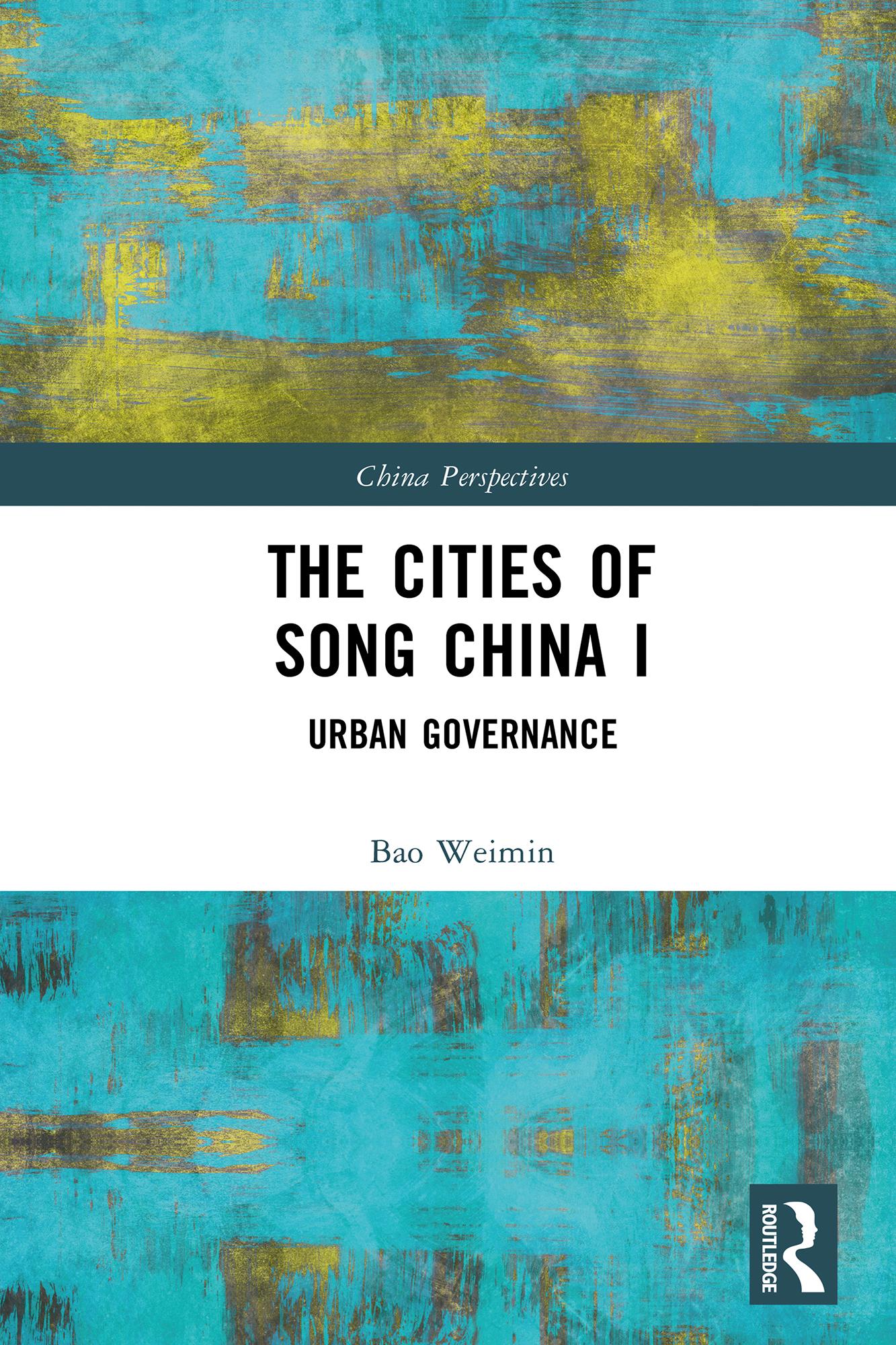
This first volume of a two-volume set on Song Dynasty cities examines the innovative urban institutions and management practices that emerged during this period.
The book compares the urban landscape and administrative system in the Song Dynasty with those of the Tang Dynasty. It challenges the conventional view that the transition from Tang to Song marked a shift from an enclosed ward system to a relatively open, compartmentalized system. Instead, it argues for a significant transformation of the ward system rather than its complete disappearance. The study examines the establishment of urban firefighting systems based on the concept of the "Corner", and analyzes the flourishing of urban markets under various forms of control and restriction. It also discusses the challenges posed by the emergence of a liberal commodity economy within traditional Chinese society.
This volume will be essential reading for scholars and students of Chinese history and urban studies, as well as urban planners, historians, and policy-makers interested in understanding historical approaches to urban development and management.
Betal nemt med kort, Klarna, Apple Pay eller Google Pay. Ikke tilfreds? Du har altid 14 dages fortrydelsesret. Læs mere i vores vilkår. Har du spørgsmål, så send os en mail på hello@memmo.org.
Memmo gør det nemmere at studere – uanset hvor du er i verden. Hos os samler du dine kursusbøger og smarte studieværktøjer ét sted: resuméer, quizzer, podcasts og flashcards. Og så er der Ted, din studieven, der svarer på alt, du undrer dig over. Over 50 000 studerende studerer allerede her – bygget til at hjælpe dig med at lære hurtigere og stresse mindre.