
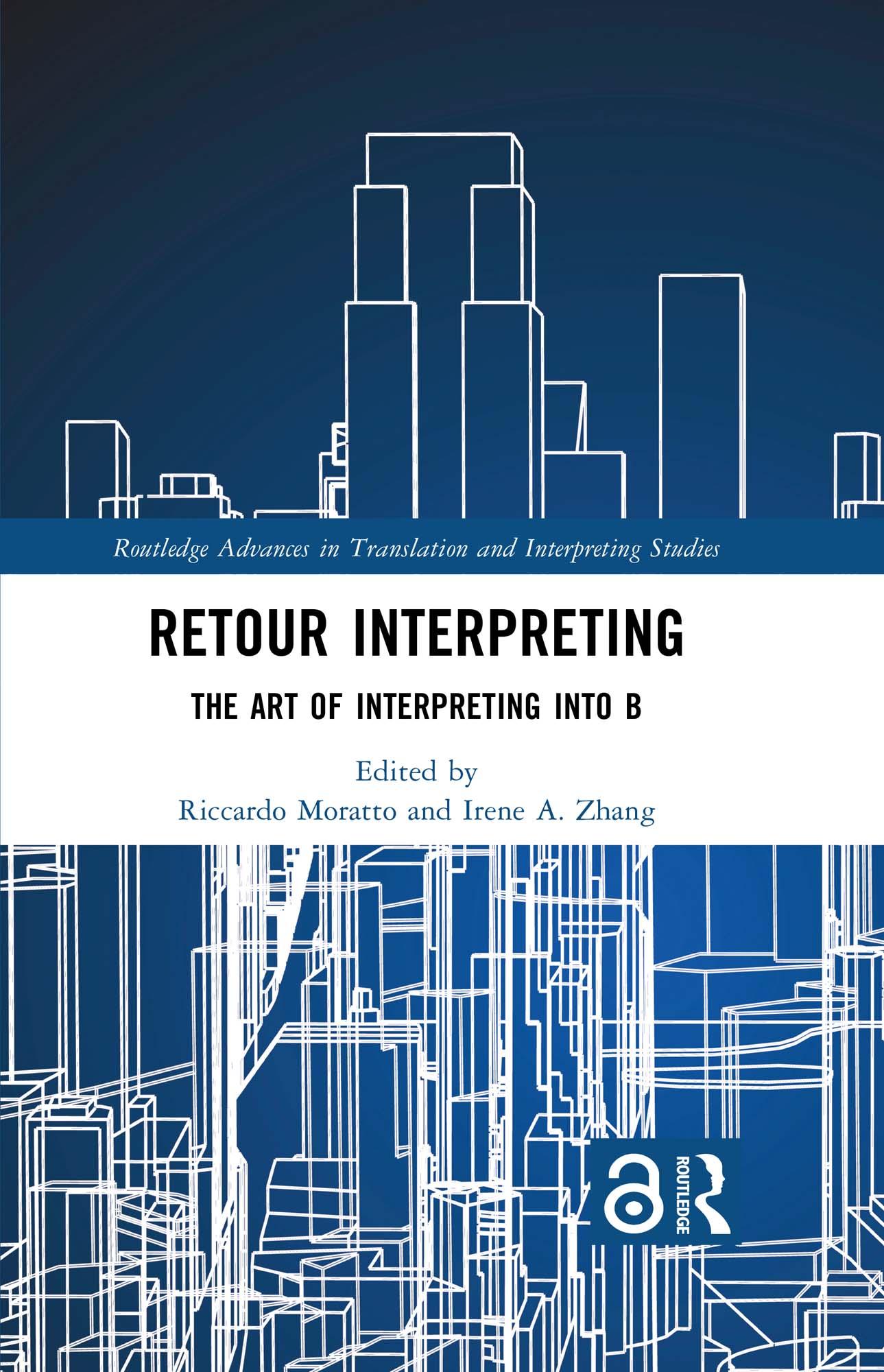
This book is a vital addition to the interpreting field, focusing on retour interpreting—interpreting from one’s native language (A) into a second language (B). This practice, once viewed as secondary, has become indispensable in today’s multilingual and multicultural contexts.
As interpreters increasingly handle diverse language pairs and rising standards for bilingual communication, retour interpreting plays a critical role in bridging linguistic gaps. This book features contributions from leading experts who explore retour interpreting from theoretical, pedagogical, and practical perspectives. It examines the linguistic and cognitive challenges unique to interpreting into a non-native language, while also addressing the complex factors influencing effective B-language output. By highlighting the growing need for skilled retour interpreters, especially in multilingual institutions and post-colonial settings where former colonial languages often dominate, this book aligns itself with current professional demands. With eleven chapters, the book provides comprehensive insights into retour interpreting across different languages, contexts, and career stages.
It is an essential resource for interpreters, trainers, and researchers, offering practical strategies and critical perspectives. By addressing a historically underexplored area, this work fills a significant gap, reinforcing the importance of retour interpreting in today's globalized world.
Betal nemt med kort, Klarna, Apple Pay eller Google Pay. Ikke tilfreds? Du har altid 14 dages fortrydelsesret. Læs mere i vores vilkår. Har du spørgsmål, så send os en mail på hello@memmo.org.
Memmo gør det nemmere at studere – uanset hvor du er i verden. Hos os samler du dine kursusbøger og smarte studieværktøjer ét sted: resuméer, quizzer, podcasts og flashcards. Og så er der Ted, din studieven, der svarer på alt, du undrer dig over. Over 50 000 studerende studerer allerede her – bygget til at hjælpe dig med at lære hurtigere og stresse mindre.