
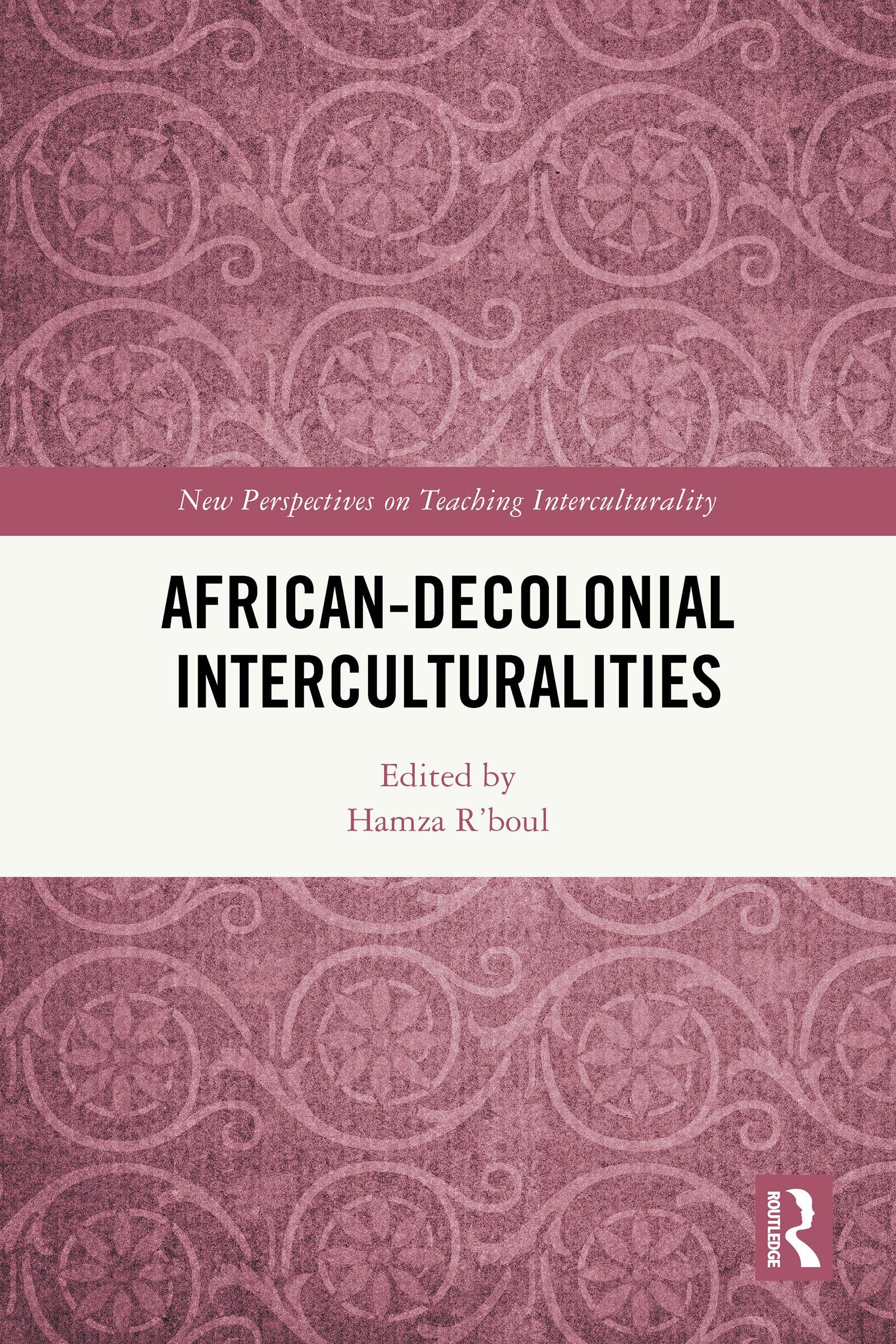
This groundbreaking book brings together scholars to explore African epistemologies as underrepresented and misrepresented sociologies of knowledge in interculturality research, challenging dominant narratives and promoting epistemic justice.
The volume affirms the validity of African perspectives based on their originality and non-derivativeness rather than their status of invisibility. It contributes to a critical reflection on how African spheres and epistemologies can be represented and ultimately understood as homogeneous entities, denying the particularities of their situated acts and processes of knowing. The contributors argue that (a) theorizing and practicing interculturality otherwise requires 'looking elsewhere' by foregrounding knowledge from spheres often marginalized by dominant mainstream discourses; (b) African stories, discourses, and epistemologies are crucial for enunciating interculturality through innovative and original knowledge and thus advancing the field. The book aims to promote diverse African interculturalities, strengthen alternative theorization methods, and position interculturality as a theory of hermeneutics and liberation that African people can draw upon to navigate and understand their own and others’ experiences.
This book will be essential read for scholars and students of intercultural communication, sociology, African studies, and philosophy.
Betal nemt med kort, Klarna, Apple Pay eller Google Pay. Ikke tilfreds? Du har altid 14 dages fortrydelsesret. Læs mere i vores vilkår. Har du spørgsmål, så send os en mail på hello@memmo.org.
Memmo gør det nemmere at studere – uanset hvor du er i verden. Hos os samler du dine kursusbøger og smarte studieværktøjer ét sted: resuméer, quizzer, podcasts og flashcards. Og så er der Ted, din studieven, der svarer på alt, du undrer dig over. Over 50 000 studerende studerer allerede her – bygget til at hjælpe dig med at lære hurtigere og stresse mindre.