
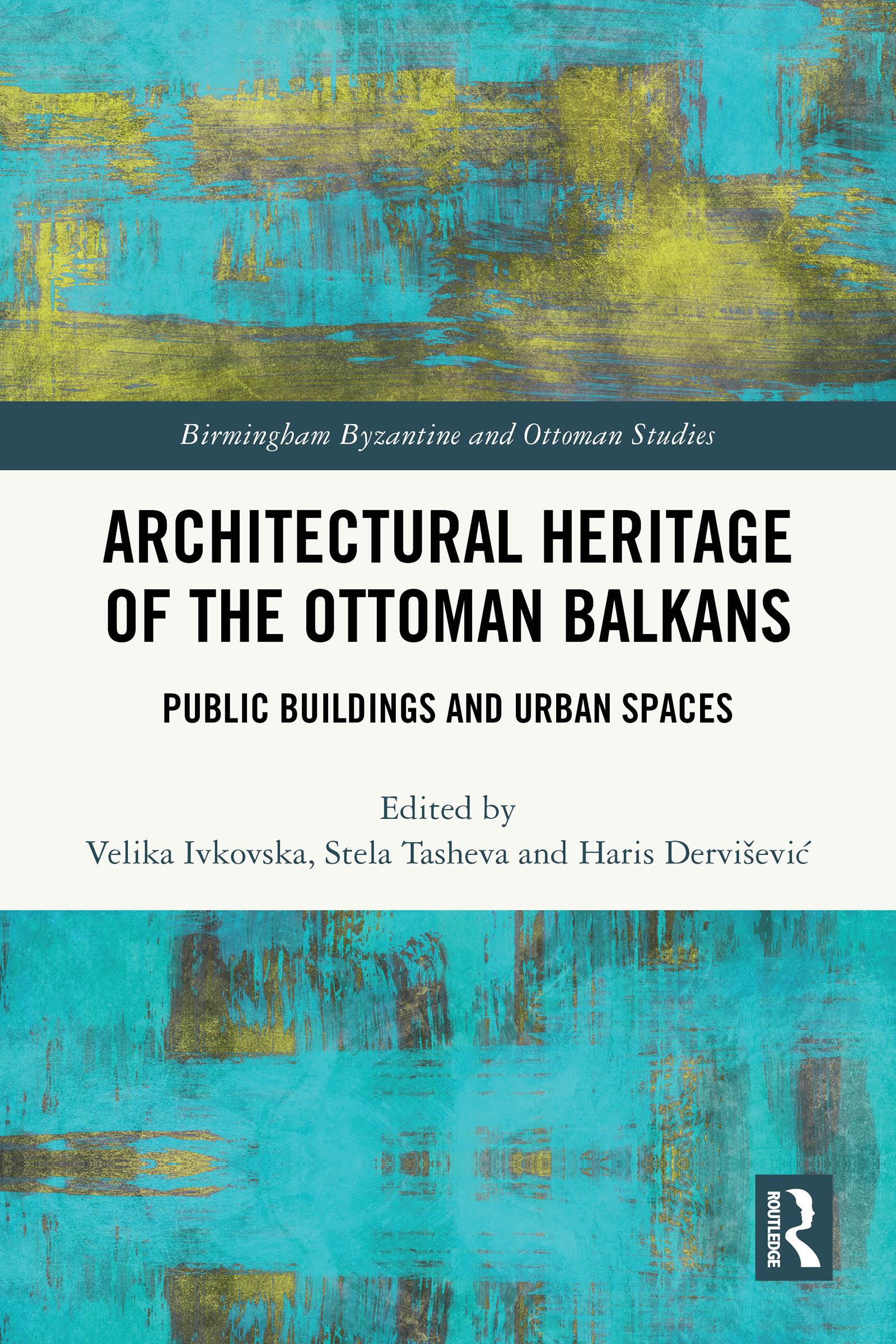
The Ottoman Empire's rule in the Balkans began in the late 14th century and continued until the late 19th century, and its impact on the region's history, culture, and society was significant. The systematic study of Ottoman influence in the Balkans, however, has only gained pace from the early 20th century.
Architectural Heritage of the Ottoman Balkans: Public Buildings and Urban Spaces explores aspects and instances of Ottoman public architecture in the Balkans, a region that encompassed diverse populations, climates, and landscapes, all of which contributed to a wide array of architectural variations in both public and private structures. Throughout the book, a common thread emerges: the rich tapestry of Ottoman architecture in the Balkans reflects a synthesis of influences, both local and global. Ottoman, regional, and European architectural traditions intertwine to create a distinctive architectural identity that characterizes the region.
This book also underscores the challenges of studying historical architecture, including language barriers and the scarcity of well-preserved records, while highlighting the importance of understanding these structures in their historical and cultural contexts.
Betal nemt med kort, Klarna, Apple Pay eller Google Pay. Ikke tilfreds? Du har altid 14 dages fortrydelsesret. Læs mere i vores vilkår. Har du spørgsmål, så send os en mail på hello@memmo.org.
Memmo gør det nemmere at studere – uanset hvor du er i verden. Hos os samler du dine kursusbøger og smarte studieværktøjer ét sted: resuméer, quizzer, podcasts og flashcards. Og så er der Ted, din studieven, der svarer på alt, du undrer dig over. Over 50 000 studerende studerer allerede her – bygget til at hjælpe dig med at lære hurtigere og stresse mindre.