
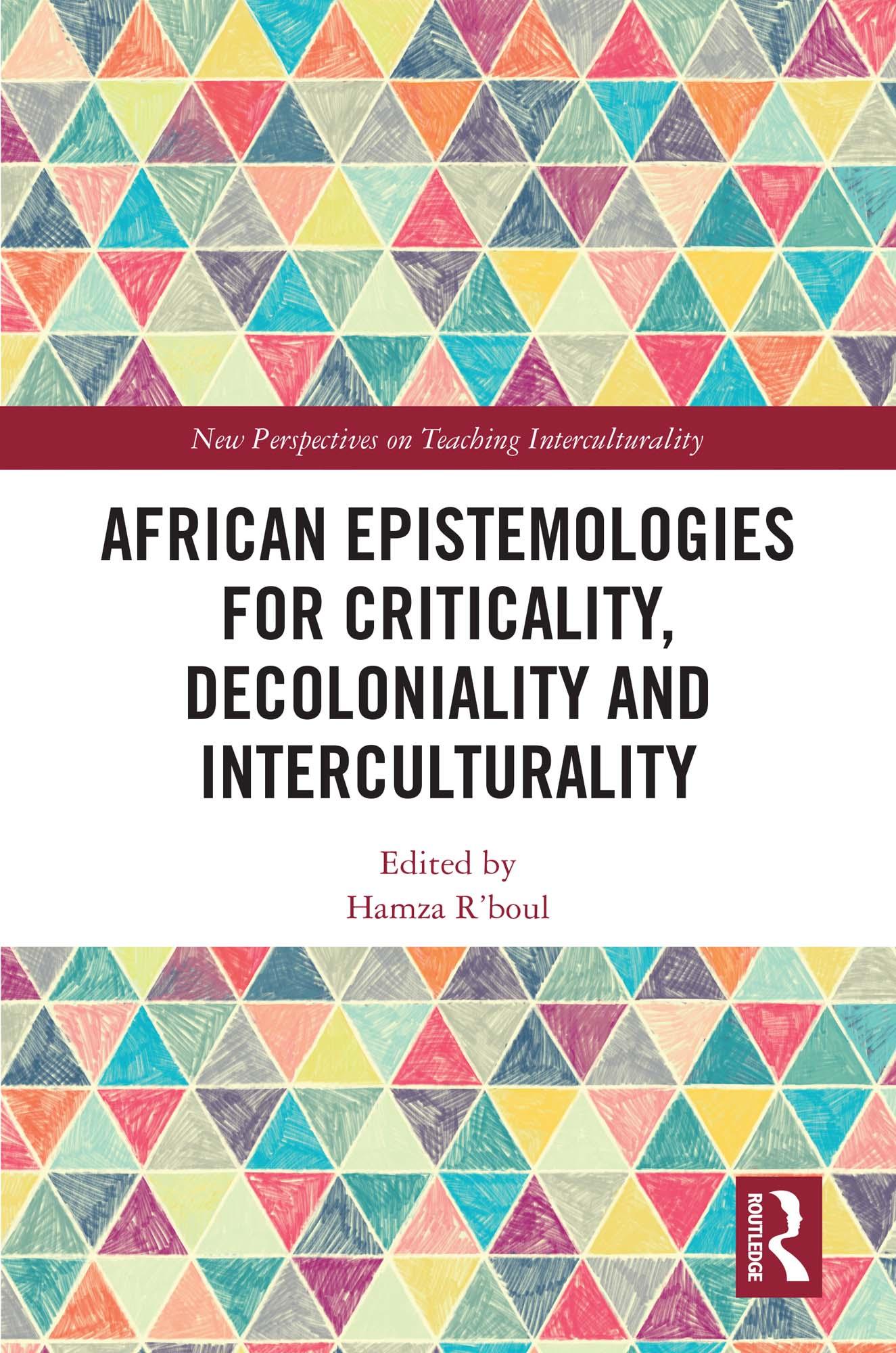
This book addresses the underrepresentation and, more importantly, the misrepresentation of African epistemologies and traditions of thought in making sense of, theorizing, and doing interculturality.
Africa remains (probably) the most oppressed and silenced sphere throughout centuries of colonialism and contemporary coloniality. Therefore, such an anthology provides a platform for those insights that have substantial epistemic capacity to alter our taken‑for‑granted notions of what interculturality is and what it is about. While a number of works have charted the contributions of African epistemologies in advancing our understanding of our intercultural realities, this book argues that the processes of decoloniality through and within interculturality have never been about (under) (mis)representation per se, but about how the politics of representation can provide inaccurate, tokenistic, and false inclusion. This book aims to substantiate the notion that decoloniality and interculturality are mutually inclusive, to demonstrate the affordances of African epistemologies in advancing intercultural knowledge, and to support the need to make visible philosophical and power‑literate approaches to interculturality.
This book will be essential reading for scholars and students interested in African philosophy, African epistemology, and, more broadly, interculturality and intercultural communication.
Betal nemt med kort, Klarna, Apple Pay eller Google Pay. Ikke tilfreds? Du har altid 14 dages fortrydelsesret. Læs mere i vores vilkår. Har du spørgsmål, så send os en mail på hello@memmo.org.
Memmo gør det nemmere at studere – uanset hvor du er i verden. Hos os samler du dine kursusbøger og smarte studieværktøjer ét sted: resuméer, quizzer, podcasts og flashcards. Og så er der Ted, din studieven, der svarer på alt, du undrer dig over. Over 50 000 studerende studerer allerede her – bygget til at hjælpe dig med at lære hurtigere og stresse mindre.