
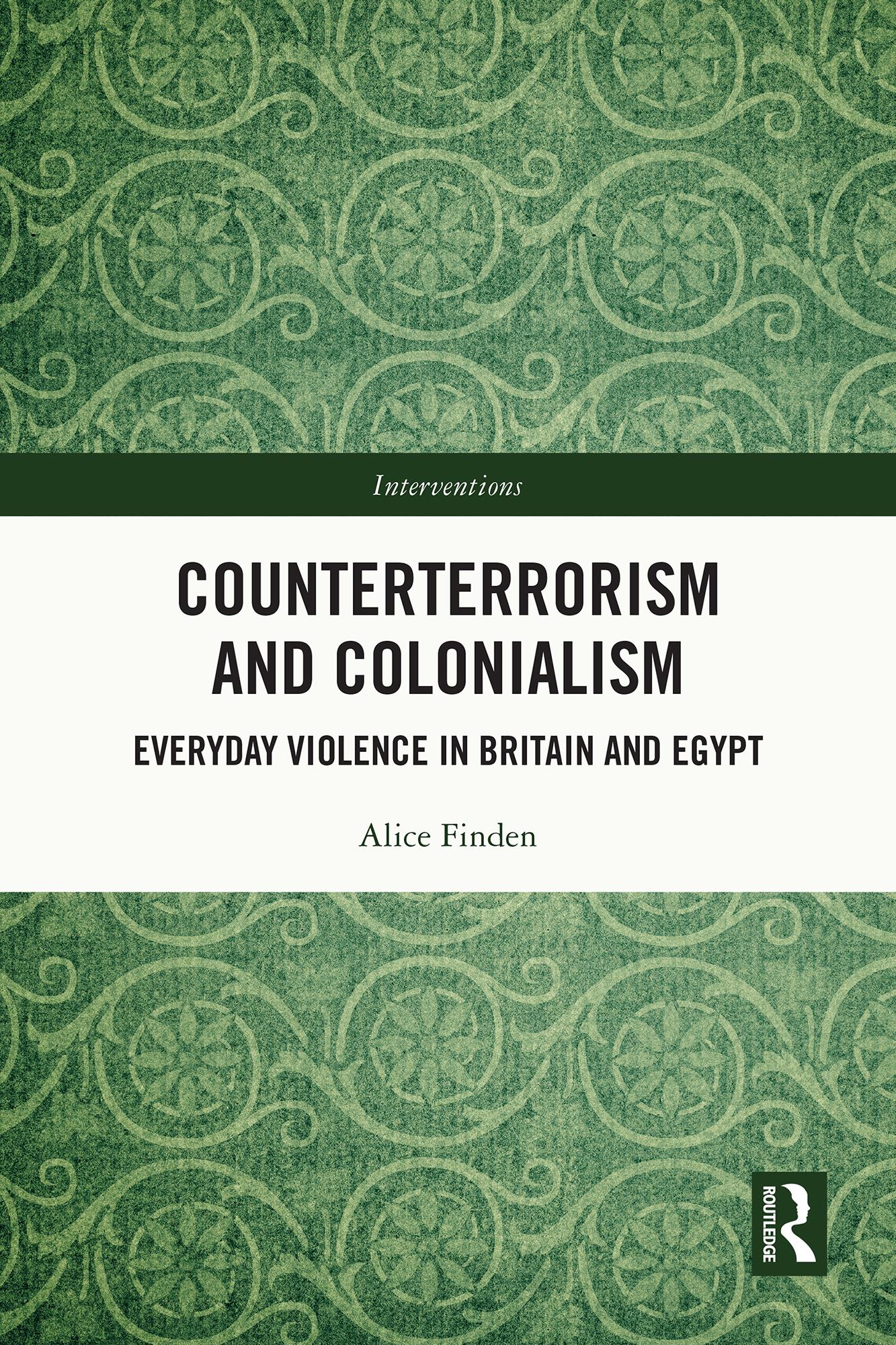
This book uses feminist and postcolonial approaches to archival research and interviews to interrogate the persistence of colonial logics in contemporary counterterrorism practice, exposing how forms of state violence are normalised and legitimised. The book investigates the historical development of preventive tools through the discursive imagery of vulnerability, morality and extremism that characterise contemporary counterterrorism and counter-violent extremism in Britain and Egypt. In so doing the book argues that counterterror tools are based upon a colonial hierarchy of humanity that legitimises more violent treatment for racialised, classed and gendered subjects. This volume will appeal to scholars and students of critical terrorism studies, socio-legal studies and criminology. It will also fit within sociology and critical theory courses on postcolonialism and gender studies as well as courses on colonialism, feminist histories and critical legal history, international politics, international relations, and Middle Eastern politics.
Betal nemt med kort, Klarna, Apple Pay eller Google Pay. Ikke tilfreds? Du har altid 14 dages fortrydelsesret. Læs mere i vores vilkår. Har du spørgsmål, så send os en mail på hello@memmo.org.
Memmo gør det nemmere at studere – uanset hvor du er i verden. Hos os samler du dine kursusbøger og smarte studieværktøjer ét sted: resuméer, quizzer, podcasts og flashcards. Og så er der Ted, din studieven, der svarer på alt, du undrer dig over. Over 50 000 studerende studerer allerede her – bygget til at hjælpe dig med at lære hurtigere og stresse mindre.