
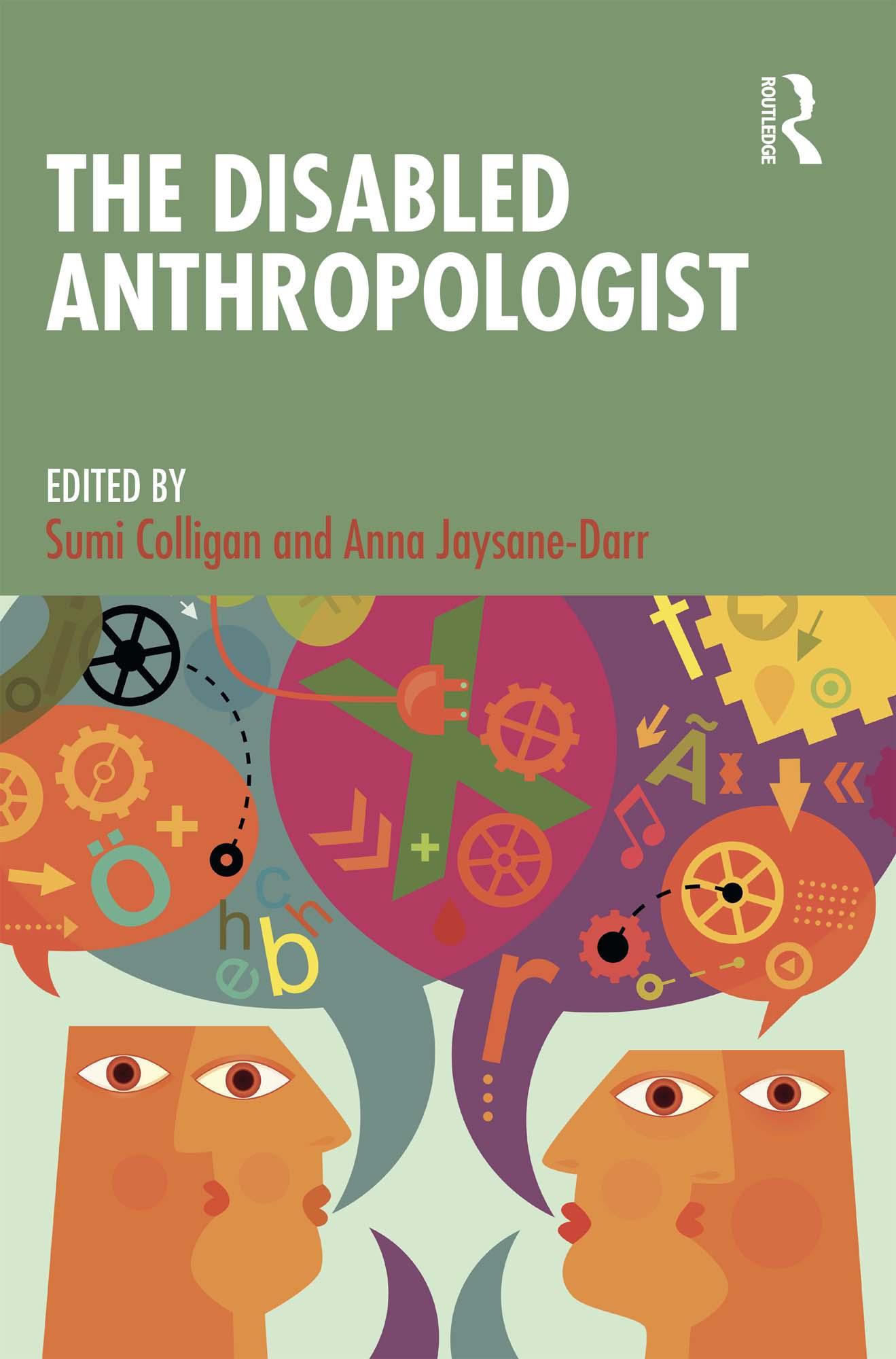
This book brings much needed attention to disabled anthropologists, making clear that “disabled” and “anthropologist” belong together. The disabled anthropologists who contribute to this volume and on which these chapters focus have refused erasure from a profession that would ignore their critiques and creativity. Applying autoethnographic, photographic, and poetic venues, the contributors assess the drawbacks of their anthropology training programs, the limitations of accessibility practices in the academy, and how their own embodiments and the contingencies of their research and research settings have facilitated the discovery of novel methodologies and insights. Collectively this volume’s contributors demonstrate a shared concern for the wellbeing of disabled ethnographers and interlocutors, whether working with Colombian refugees in Ecuador or those living with chronic pain in Michigan.
The Disabled Anthropologist is essential reading for students and scholars working in cultural and medical anthropology.
Betal nemt med kort, Klarna, Apple Pay eller Google Pay. Ikke tilfreds? Du har altid 14 dages fortrydelsesret. Læs mere i vores vilkår. Har du spørgsmål, så send os en mail på hello@memmo.org.
Memmo gør det nemmere at studere – uanset hvor du er i verden. Hos os samler du dine kursusbøger og smarte studieværktøjer ét sted: resuméer, quizzer, podcasts og flashcards. Og så er der Ted, din studieven, der svarer på alt, du undrer dig over. Over 50 000 studerende studerer allerede her – bygget til at hjælpe dig med at lære hurtigere og stresse mindre.