
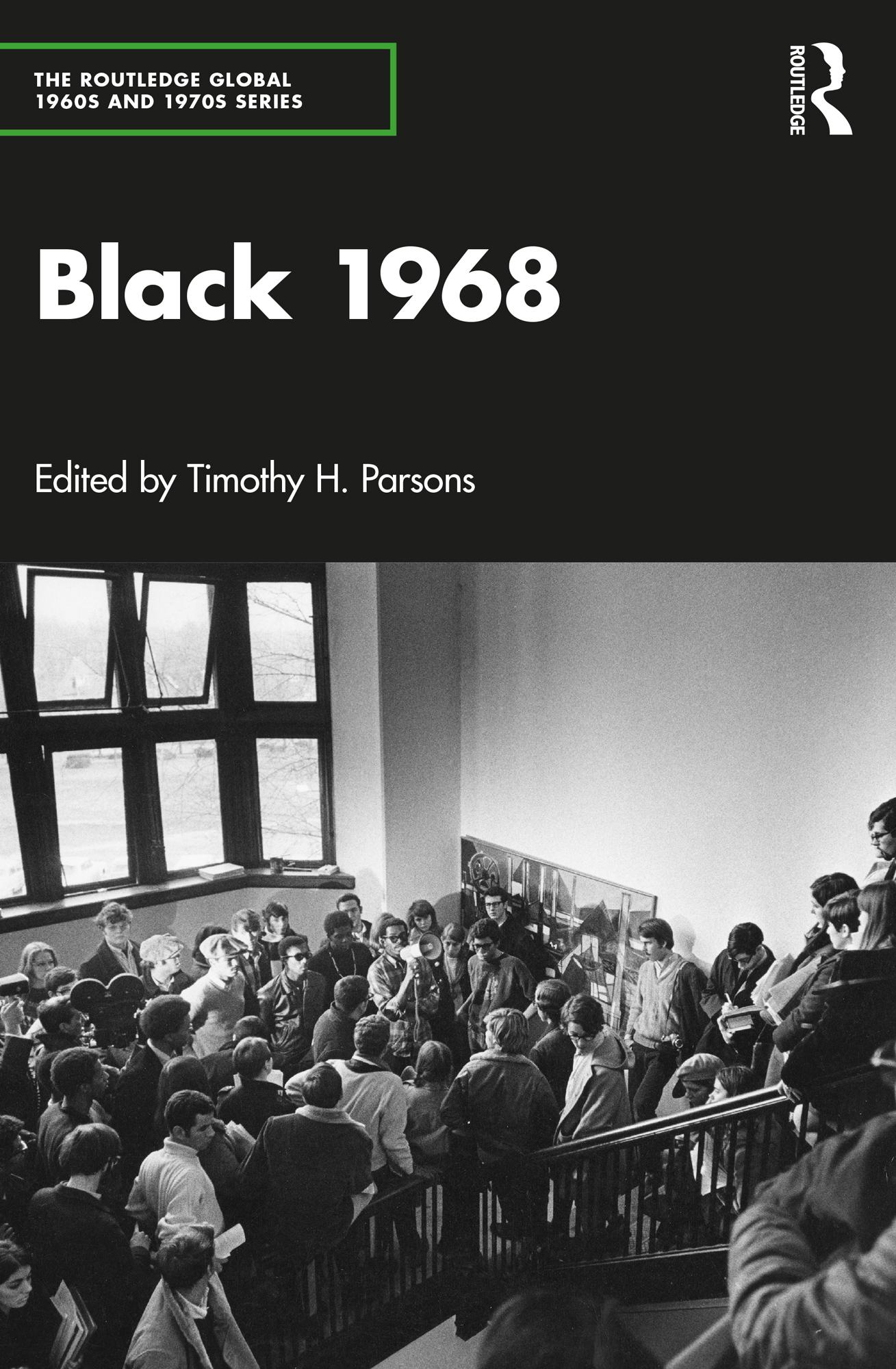
Initially, the 1960s was a time of understandable optimism. The civil rights movement and the legislation it inspired suggested an end to institutionalized racism in the United States, while in the Global South, the emergence of independent states anticipated political liberation and increased prosperity. So, when racial discrimination, entrenched privilege, cold war politics, and fiscal reality dashed these hopes later in the decade, the world experienced a wave of protests. Conventional narratives of 1968 focus on student strikes, revolutions and coups, assassinations, and the reactionary backlash that they inspired.
The chapters of Black 1968 reveal the imperfectly documented and heretofore unrecognized bonds that led peoples of African descent around the world to articulate new global conceptions of Blackness as a way to mount local challenges to racism, segregation, colonialism, economic exploitation, generational authority, and cultural chauvinism.
This book will be of interest to general readers interested in the global 1968 as well as scholars of Blackness and global history.
Betal nemt med kort, Klarna, Apple Pay eller Google Pay. Ikke tilfreds? Du har altid 14 dages fortrydelsesret. Læs mere i vores vilkår. Har du spørgsmål, så send os en mail på hello@memmo.org.
Memmo gør det nemmere at studere – uanset hvor du er i verden. Hos os samler du dine kursusbøger og smarte studieværktøjer ét sted: resuméer, quizzer, podcasts og flashcards. Og så er der Ted, din studieven, der svarer på alt, du undrer dig over. Over 50 000 studerende studerer allerede her – bygget til at hjælpe dig med at lære hurtigere og stresse mindre.