
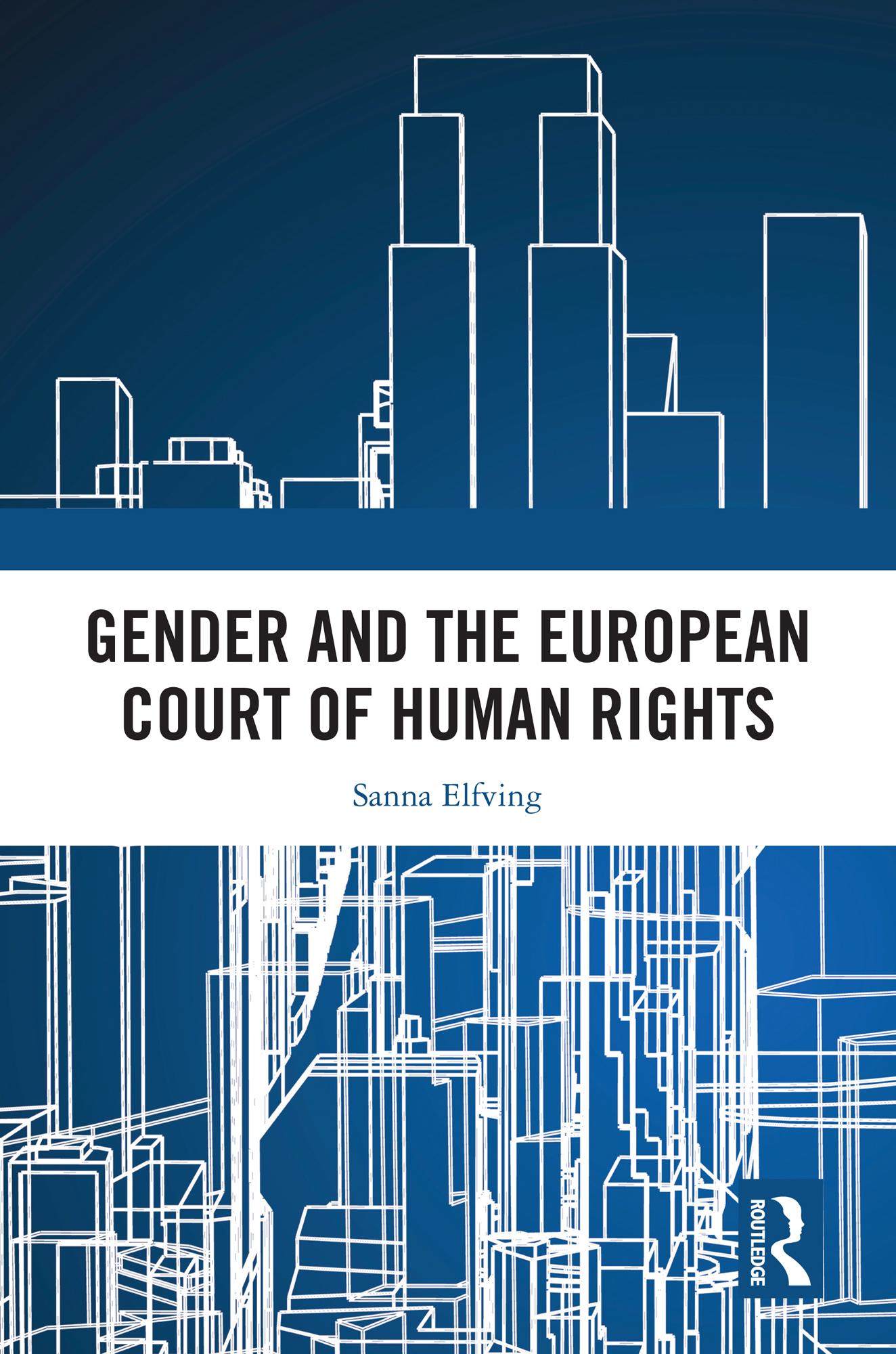
In applying an intersectional feminist legal analysis of the European Court of Human Rights’ case law in a variety of human rights issues, this book reveals a different and nuanced understanding of the gender issues.
Case law within the ECtHR, which does not explicitly raise gender issues, may have gendered consequences. Profound developments have occurred in Europe in several related areas, including gender equality case law in the context of the prohibition of discrimination under Article 14 of the European Convention on Human Rights; non-conventional parenting rights; discrimination on grounds of sexual orientation and gender identity; rights of asylum seekers; and family reunification rights in the past few decades. The analysis reveals the extent to which the Court considers an applicant’s gender, intersectional inequalities, and the concept of ‘vulnerability’ in its case law. This book contributes to existing literature on gender equality, gender and judging in supranational courts. Furthermore, it highlights the intersectional discrimination experienced by women and diasporic or minoritised groups by uncovering new dimensions of vulnerabilities.
This book will be of interest to researchers in the field of European human rights law, gender, and intersectional issues.
Betal nemt med kort, Klarna, Apple Pay eller Google Pay. Ikke tilfreds? Du har altid 14 dages fortrydelsesret. Læs mere i vores vilkår. Har du spørgsmål, så send os en mail på hello@memmo.org.
Memmo gør det nemmere at studere – uanset hvor du er i verden. Hos os samler du dine kursusbøger og smarte studieværktøjer ét sted: resuméer, quizzer, podcasts og flashcards. Og så er der Ted, din studieven, der svarer på alt, du undrer dig over. Over 50 000 studerende studerer allerede her – bygget til at hjælpe dig med at lære hurtigere og stresse mindre.