
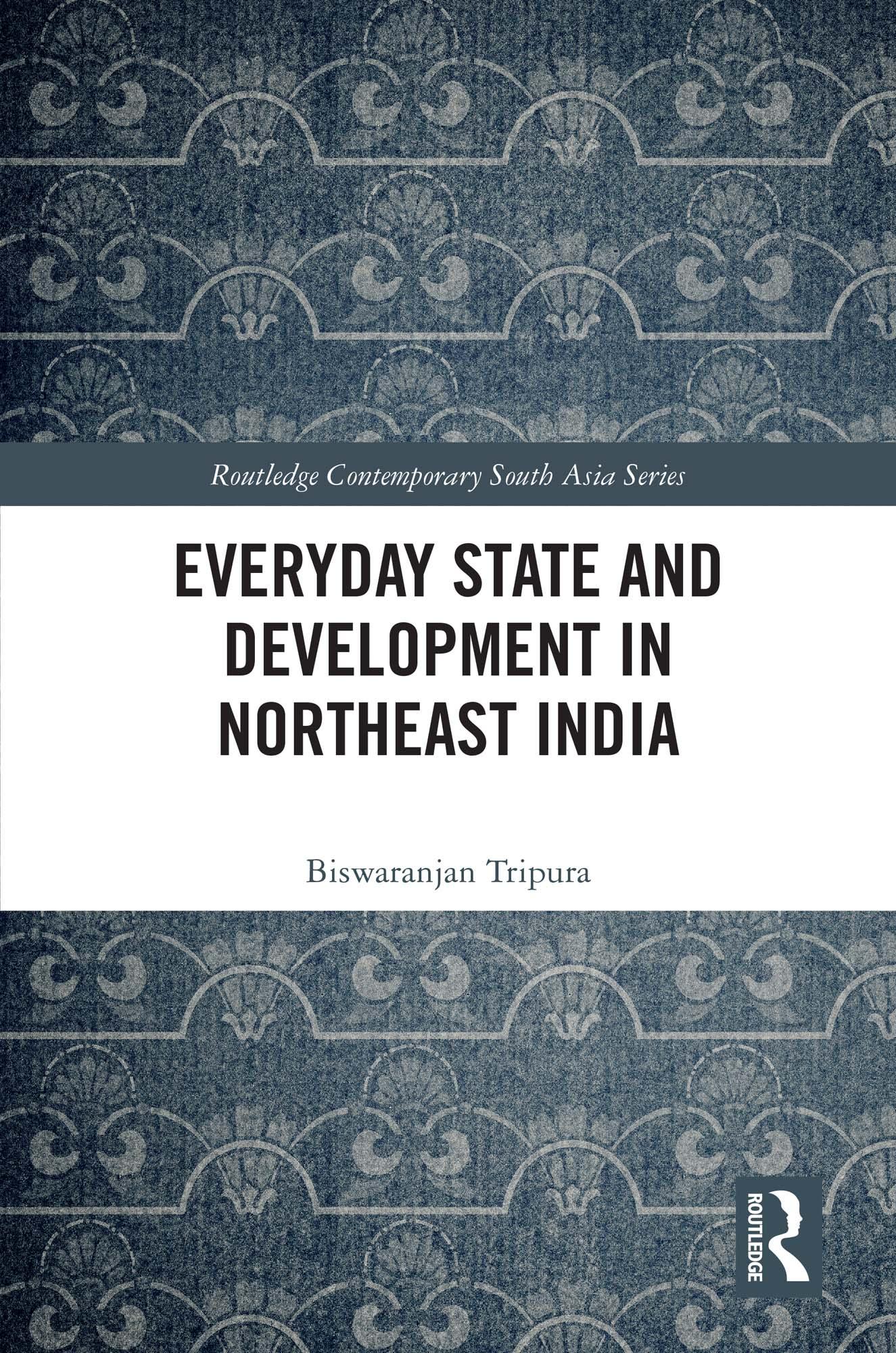
This book examines the everyday state from the perspective of the lived experiences of peripheralized Indigenous tribal peoples in contemporary Tripura, Northeast India.
Building on discussions in the anthropology of the state and development literature and based on rich ethnography data, this book examines the concrete rural Indigenous people’s experiences of the state and how they negotiate those interactions to their advantage and for their own empowerment. The author addresses the following questions: How do members of peripheralized Indigenous tribal communities imagine, perceive, and experience the state in their everyday practices? What are the various strategies and approaches that they use to undermine and negotiate the complex power relations to their advantage in their relations with the state? This book argues that the state is experienced as both hope and despair and broken promises by the peripheralized Indigenous community.
A fresh perspective of studying Indigenous/tribal in Northeast India, this book will be useful for researchers and scholars of the anthropology of state and development, development studies, social work, sociology, political science, tribal/ Adivasi/Indigenous studies, Northeast India studies, and South Asian studies.
Betal nemt med kort, Klarna, Apple Pay eller Google Pay. Ikke tilfreds? Du har altid 14 dages fortrydelsesret. Læs mere i vores vilkår. Har du spørgsmål, så send os en mail på hello@memmo.org.
Memmo gør det nemmere at studere – uanset hvor du er i verden. Hos os samler du dine kursusbøger og smarte studieværktøjer ét sted: resuméer, quizzer, podcasts og flashcards. Og så er der Ted, din studieven, der svarer på alt, du undrer dig over. Over 50 000 studerende studerer allerede her – bygget til at hjælpe dig med at lære hurtigere og stresse mindre.