
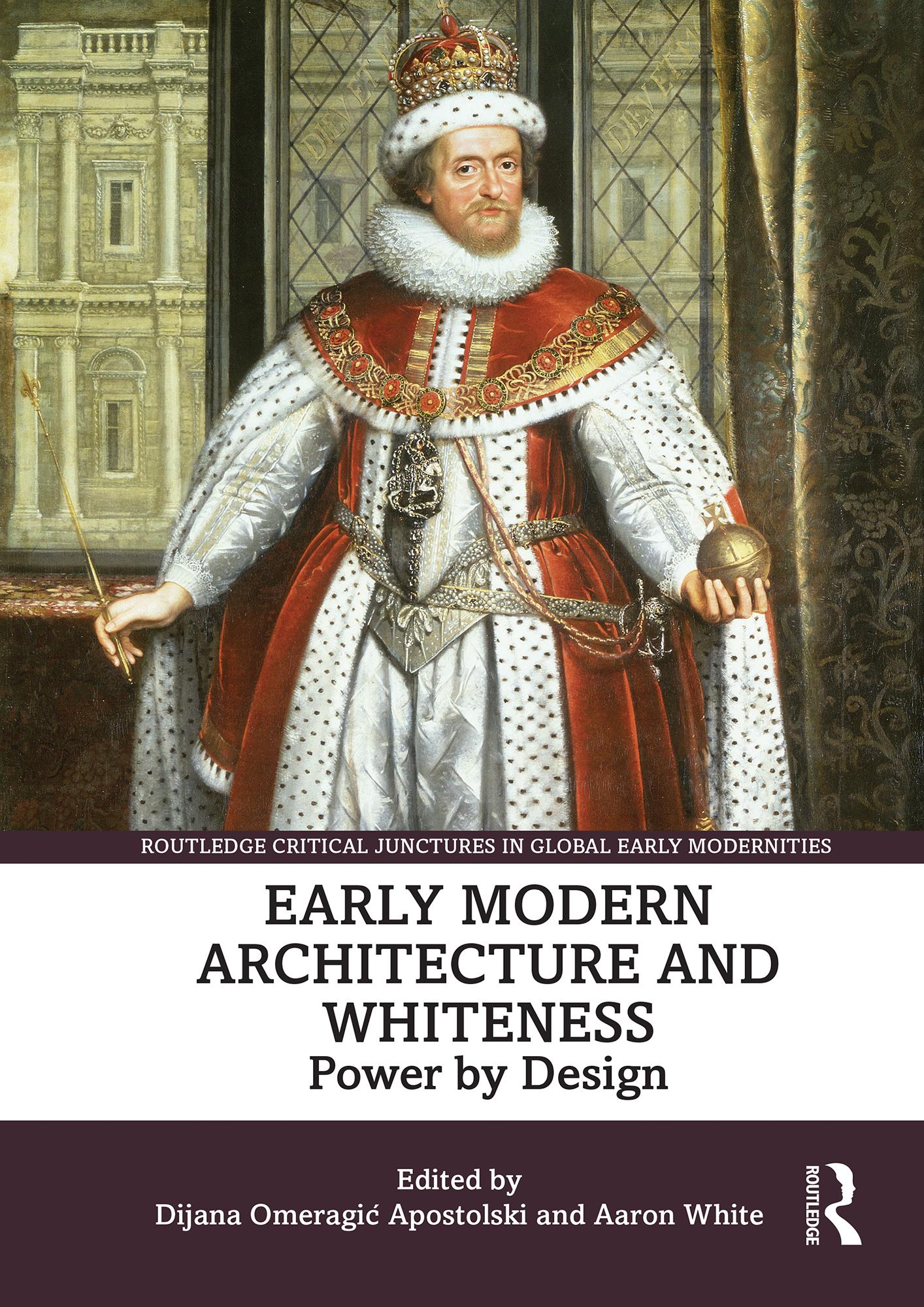
Framing whiteness as a sensorial quality connate with ethical, aesthetic, epistemological, and ontological hierarchies, this edited volume examines how the category of whiteness shaped architectural theories and practices across the early modern period.
What was architecture’s role in race-making, constructions of whiteness, and processes of othering more generally? How was whiteness architecturally questioned, reinforced, conceptualized, practiced, and materialized? And how did whiteness intersect with categories such as class, nation, gender, beauty, hygiene, and health? In examining these questions, this volume explores the ways in which premodern critical race studies allow us to reimagine the boundaries and possibilities of architectural research, design, and practice.
The book will be of interest to scholars working in architectural history, art history, early modern studies, and the history of race.
Betal nemt med kort, Klarna, Apple Pay eller Google Pay. Ikke tilfreds? Du har altid 14 dages fortrydelsesret. Læs mere i vores vilkår. Har du spørgsmål, så send os en mail på hello@memmo.org.
Memmo gør det nemmere at studere – uanset hvor du er i verden. Hos os samler du dine kursusbøger og smarte studieværktøjer ét sted: resuméer, quizzer, podcasts og flashcards. Og så er der Ted, din studieven, der svarer på alt, du undrer dig over. Over 50 000 studerende studerer allerede her – bygget til at hjælpe dig med at lære hurtigere og stresse mindre.