
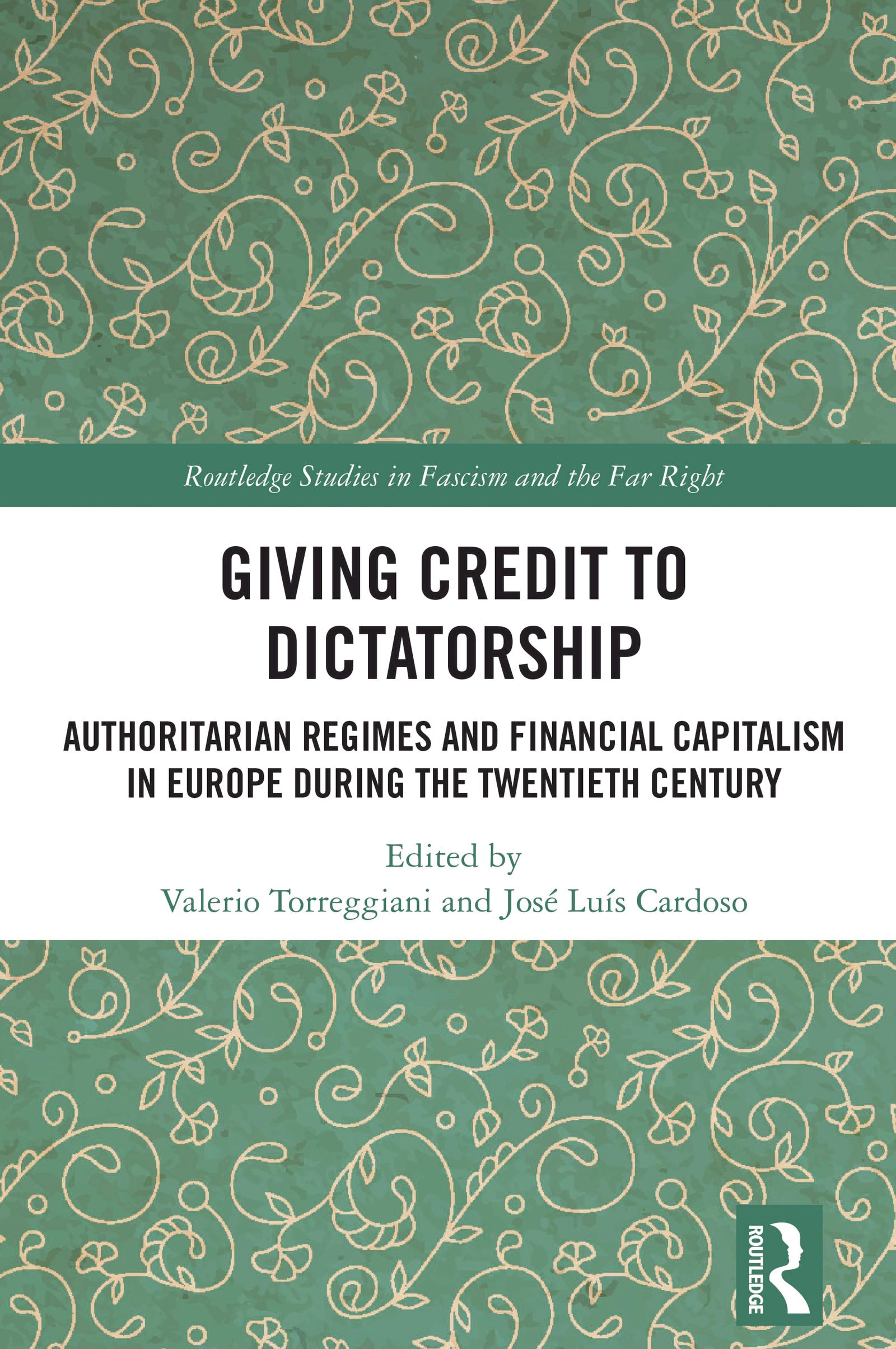
This edited volume explores the interplay between political, economic, and financial development in twentieth-century European authoritarian regimes.
The book features case studies that explore the impact of domestic and international finance on the rise, stabilization, and decline of various European dictatorships of the twentieth century, such as Italy, Germany, Yugoslavia, Portugal, Spain, Greece, and Turkey. The chapters delve into the role that the regimes played in shaping and transforming the financial system, exploring their international interconnections as well as the influence of economic theory and ideological constructs in dictatorial environments. Applying the methodological framework of the history of capitalism to the analysis of the relationship between authoritarian regimes and financial systems, the book provides new insights into the relationshipsbetween politics and economics, and it offers a fresh perspective on contemporary political issues and their interaction with the global financial system.
This collection is an ideal resource for postgraduate students and researchers in history, economics, political economy, and political sciences.
Betal nemt med kort, Klarna, Apple Pay eller Google Pay. Ikke tilfreds? Du har altid 14 dages fortrydelsesret. Læs mere i vores vilkår. Har du spørgsmål, så send os en mail på hello@memmo.org.
Memmo gør det nemmere at studere – uanset hvor du er i verden. Hos os samler du dine kursusbøger og smarte studieværktøjer ét sted: resuméer, quizzer, podcasts og flashcards. Og så er der Ted, din studieven, der svarer på alt, du undrer dig over. Over 50 000 studerende studerer allerede her – bygget til at hjælpe dig med at lære hurtigere og stresse mindre.