
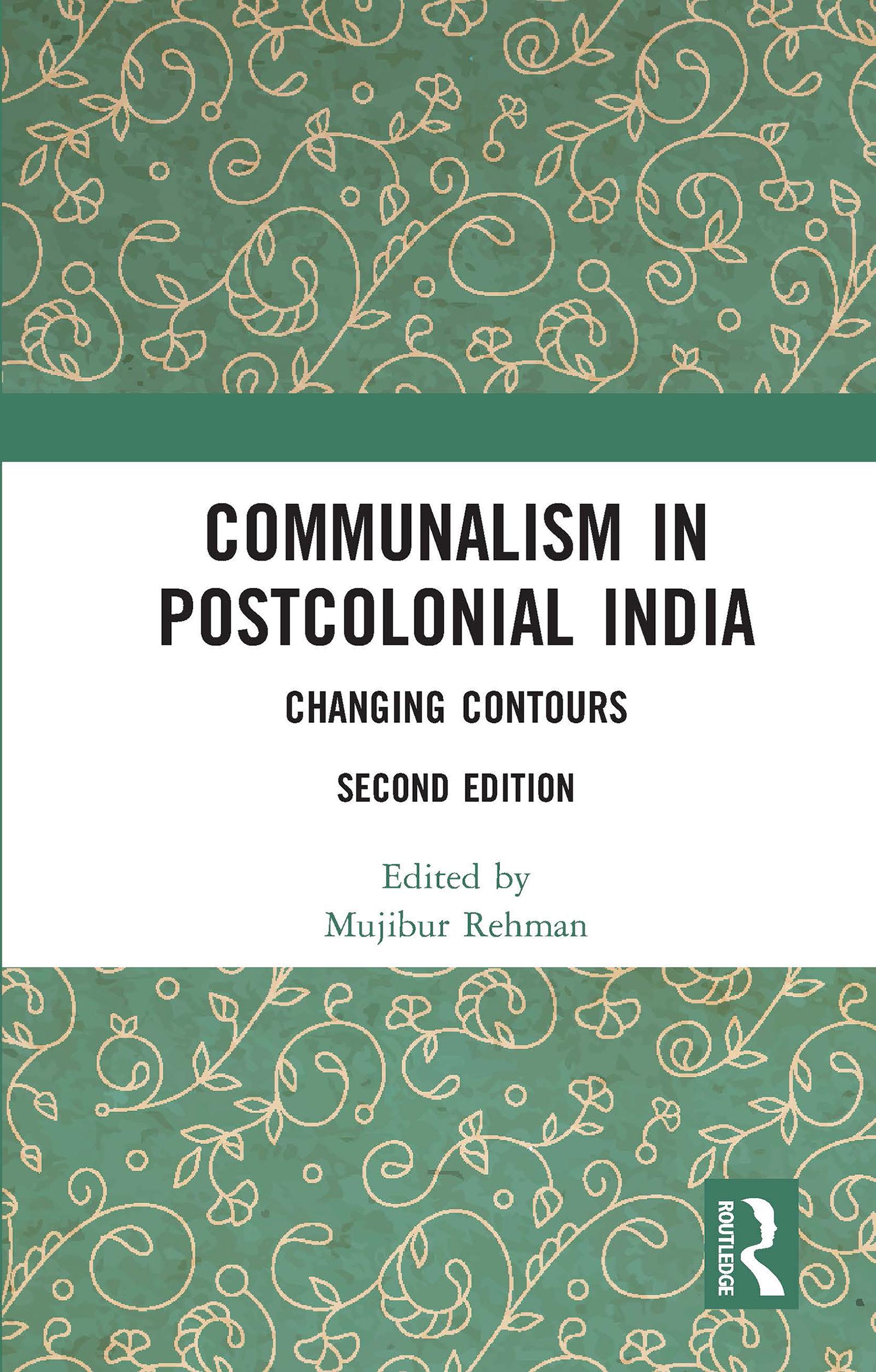
This book reconceptualises the idea of communalism in independent India. It locates the changing contours of politics and religion in the country from the colonial times to the present day, and makes an important intervention in understanding the relationship between communalism and communal violence. It evaluates the role of state, media, civil societies, political parties, and other actors in the process as well as ideas such as secularism, nationalism, minority rights and democracy. Using new conceptual tools and an interdisciplinary approach, the work challenges the conventional understanding of communalism as time and context independent.
This second edition includes a Foreword by Romila Thapar and an Afterword by Dipesh Chakrabarty, along with a new Introduction which revaluate the trajectory of communal politics in contemporary India, and question how secularism has come to be understood today. This topical volume will be useful to scholars and researchers in South Asian politics, political science, history, sociology and social anthropology, as well as the interested general reader.
Betal nemt med kort, Klarna, Apple Pay eller Google Pay. Ikke tilfreds? Du har altid 14 dages fortrydelsesret. Læs mere i vores vilkår. Har du spørgsmål, så send os en mail på hello@memmo.org.
Memmo gør det nemmere at studere – uanset hvor du er i verden. Hos os samler du dine kursusbøger og smarte studieværktøjer ét sted: resuméer, quizzer, podcasts og flashcards. Og så er der Ted, din studieven, der svarer på alt, du undrer dig over. Over 50 000 studerende studerer allerede her – bygget til at hjælpe dig med at lære hurtigere og stresse mindre.