
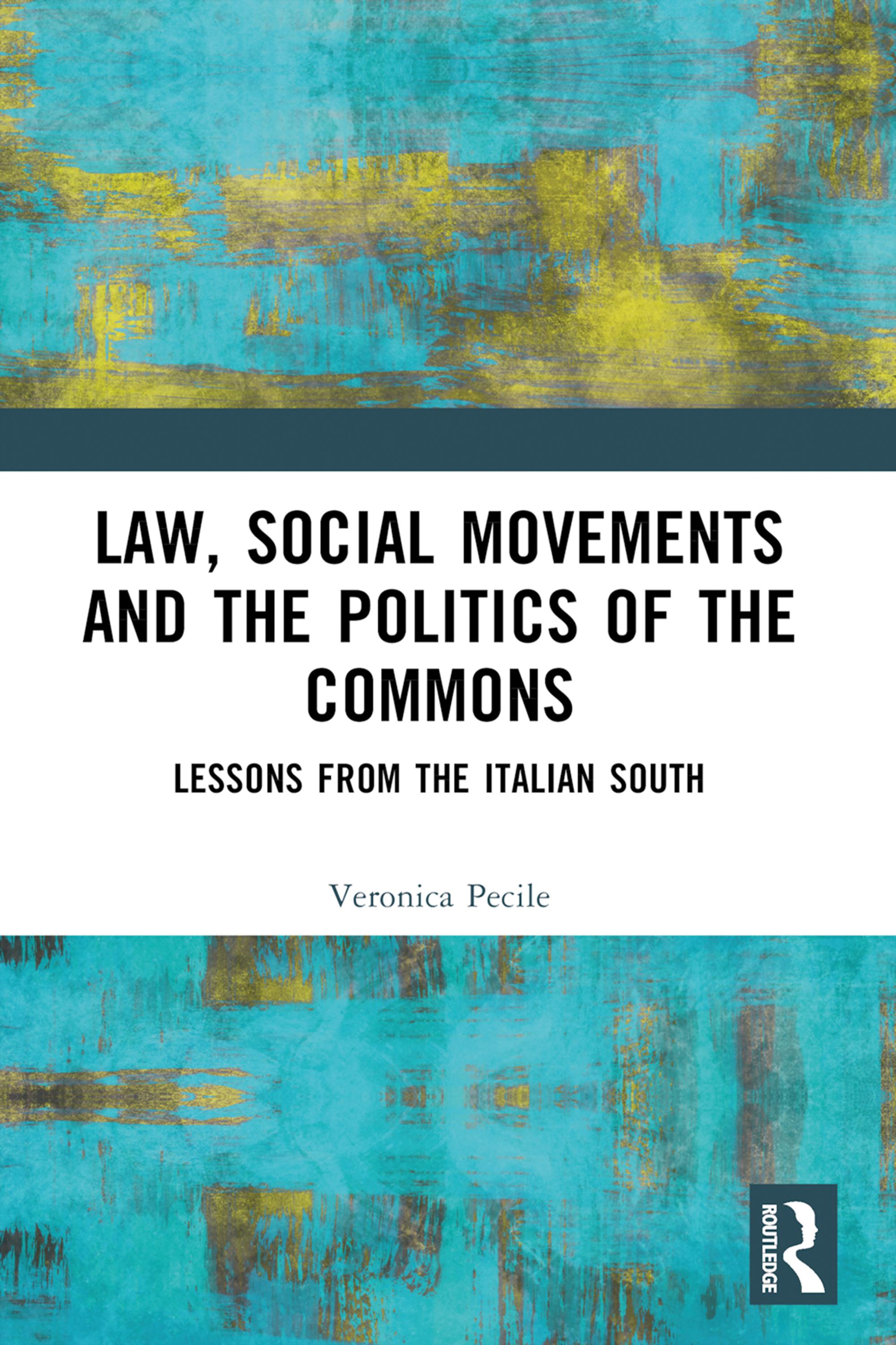
This book reinterprets the notion of the commons by tracing how it has been mobilised in the aftermath of economic crisis.
In a period of widespread activism against the privatisation of resources and services implemented through austerity policies, the reconceptualisation of property as a non-absolute and non-individualistic institution has attracted a great deal of attention. Drawing on the case of the Italian South, and in the wake of economic crisis, this book offers a critical analysis of the struggle for the commons. More specifically, as it details how discourses, legal tools and policies based on disciplinary ideas of the commons are deployed in the neoliberal restructuring of societies, the book considers how conflicting ideas of the commons express different, and often clashing visions, of urban space. In this regard, moreover, it shows how law plays a central, albeit ambivalent, role in the struggle for the commons: as both a governmental technique to regulate urban space and its residents and as an emancipatory tactic to advance non-proprietary visions of ownership.
This book will be of interest to scholars in socio-legal studies, property law, legal sociology and politics, as well as others with more general interests in the critical potential of contemporary social movements.
Betal nemt med kort, Klarna, Apple Pay eller Google Pay. Ikke tilfreds? Du har altid 14 dages fortrydelsesret. Læs mere i vores vilkår. Har du spørgsmål, så send os en mail på hello@memmo.org.
Memmo gør det nemmere at studere – uanset hvor du er i verden. Hos os samler du dine kursusbøger og smarte studieværktøjer ét sted: resuméer, quizzer, podcasts og flashcards. Og så er der Ted, din studieven, der svarer på alt, du undrer dig over. Over 50 000 studerende studerer allerede her – bygget til at hjælpe dig med at lære hurtigere og stresse mindre.