
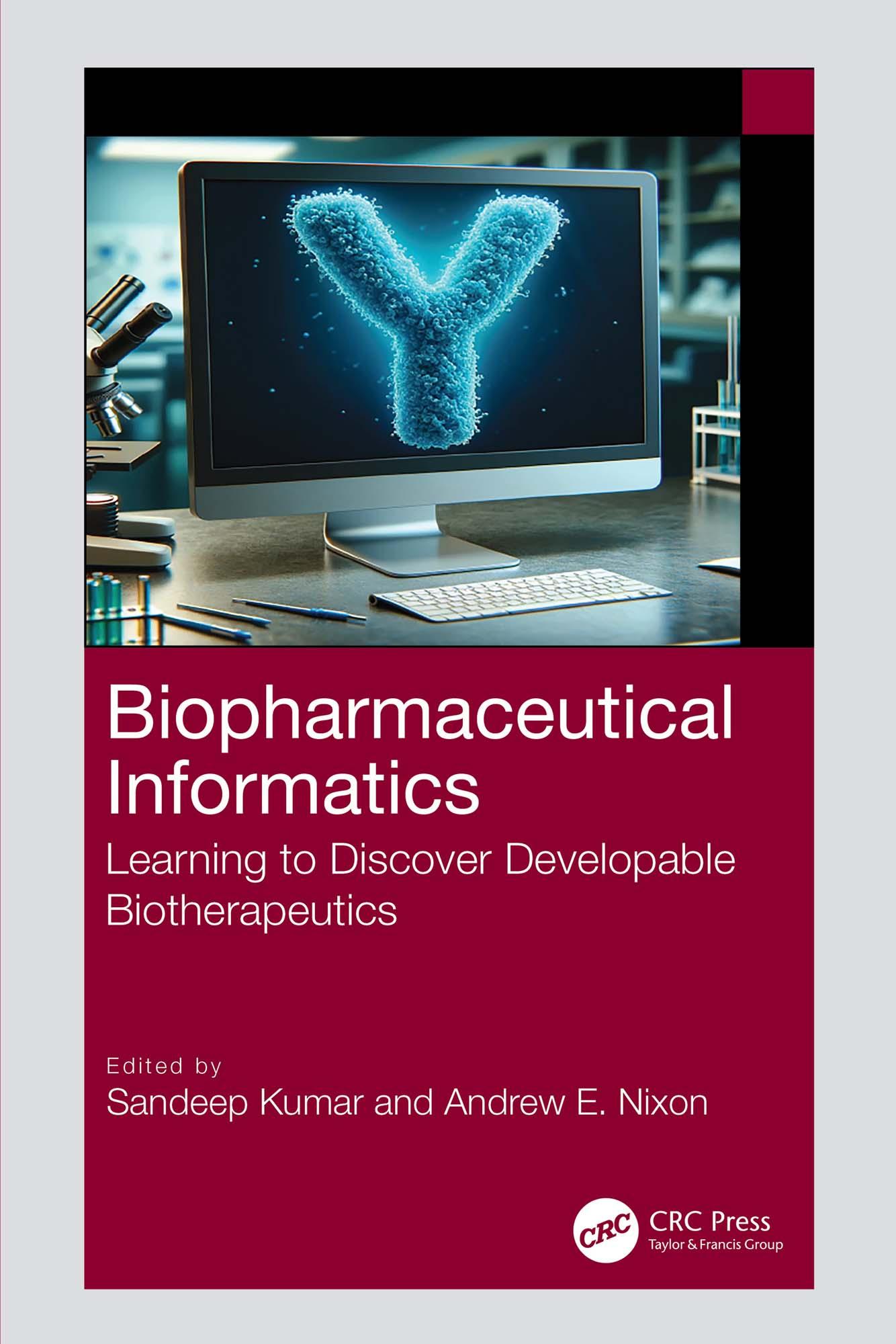
Despite the phenomenal clinical success of antibody-based biopharmaceuticals in recent years, discovery and development of these novel biomedicines remains a costly, time-consuming, and risky endeavor with low probability of success. To bring better biomedicines to patients faster, we have come up with a strategic vision of Biopharmaceutical Informatics which calls for syncretic use of computation and experiment at all stages of biologic drug discovery and pre-clinical development cycles to improve probability of successful clinical outcomes. Biopharmaceutical Informatics also encourages industry and academic scientists supporting various aspects of biotherapeutic drug discovery and development cycles to learn from our collective experiences of successes and, more importantly, failures. The insights gained from such learnings shall help us improve the rate of successful translation of drug discoveries into drug products available to clinicians and patients, reduce costs, and increase the speed of biologic drug discovery and development. Hopefully, the efficiencies gained from implementing such insights shall make novel biomedicines more affordable for patients.
This unique volume describes ways to invent and commercialize biomedicines more efficiently:
- Calls for digital transformation of biopharmaceutical industry by appropriately collecting, curating, and making available discovery and pre-clinical development project data using FAIR principles
- Describes applications of artificial intelligence and machine learning (AIML) in discovery of antibodies in silico (DAbI) starting with antigen design, constructing inherently developable antibody libraries, finding hits, identifying lead candidates, and optimizing them
- Details applications of AIML, physics-based computational design methods, and other bioinformatics tools in fields such as developability assessments, formulation and excipient design, analytical and bioprocess development, and pharmacology
- Presents pharmacokinetics/pharmacodynamics (PK/PD) and Quantitative Systems Pharmacology (QSP) models for biopharmaceuticals
- Describes uses of AIML in bispecific and multi-specific formats
Dr Sandeep Kumar has also edited a collection of articles dedicated to this topic which can be found in the Taylor and Francis journal mAbs.
Betal nemt med kort, Klarna, Apple Pay eller Google Pay. Ikke tilfreds? Du har altid 14 dages fortrydelsesret. Læs mere i vores vilkår. Har du spørgsmål, så send os en mail på hello@memmo.org.
Memmo gør det nemmere at studere – uanset hvor du er i verden. Hos os samler du dine kursusbøger og smarte studieværktøjer ét sted: resuméer, quizzer, podcasts og flashcards. Og så er der Ted, din studieven, der svarer på alt, du undrer dig over. Over 50 000 studerende studerer allerede her – bygget til at hjælpe dig med at lære hurtigere og stresse mindre.