
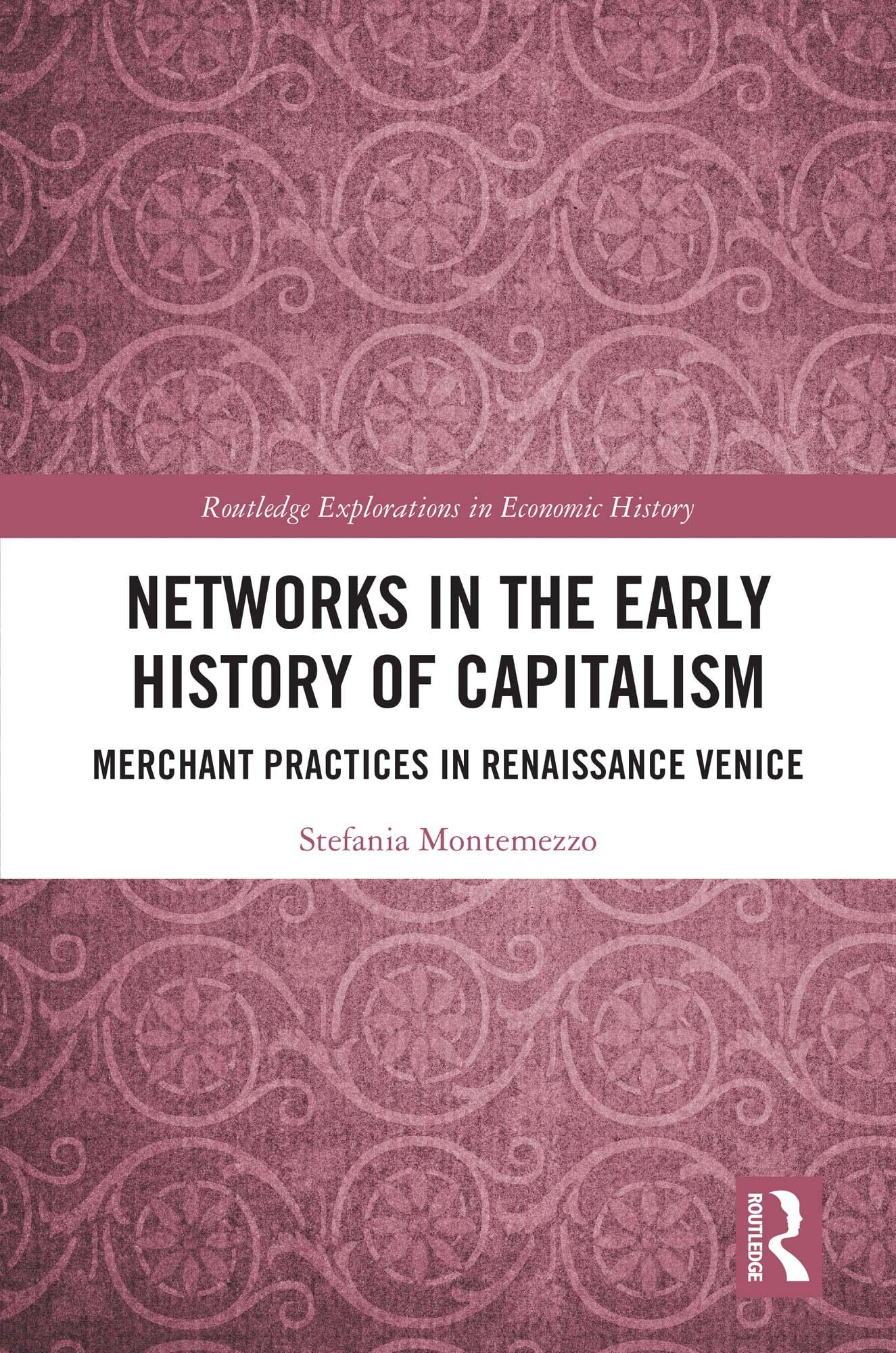
Drawing on a detailed examination of Venetian commerce in the Middle Ages, this book explores the business practices and structures that enabled merchants to compete in a challenging international market.
Contributing to the literature on the early history of capitalism, this book demonstrates how Venetian merchants combined innovation with traditional methods to maintain their edge in a competitive world, providing valuable lessons on resilience and strategic planning in commerce. Small- and mid-sized commercial companies operating across borders and geographies in the early Renaissance period faced numerous challenges, including identifying profitable sectors and businesses, developing effective business strategies, dealing with peers and subordinates, managing the flow of information, and assessing risks and potential rewards. The chapters explore a range of topics in this context, including the roles of family-based firms, the strategic deployment of agents, and the impact of state policies on private enterprise. Readers are introduced to the ways Venetian merchants managed capital, adapted to market demands, and overcame obstacles like wars and resource shortages.
This book will be of significant interest to historians and social scientists researching economic history, the history of trade, the history of capitalism, medieval and Renaissance history, and historical network analysis.
Betal nemt med kort, Klarna, Apple Pay eller Google Pay. Ikke tilfreds? Du har altid 14 dages fortrydelsesret. Læs mere i vores vilkår. Har du spørgsmål, så send os en mail på hello@memmo.org.
Memmo gør det nemmere at studere – uanset hvor du er i verden. Hos os samler du dine kursusbøger og smarte studieværktøjer ét sted: resuméer, quizzer, podcasts og flashcards. Og så er der Ted, din studieven, der svarer på alt, du undrer dig over. Over 50 000 studerende studerer allerede her – bygget til at hjælpe dig med at lære hurtigere og stresse mindre.