
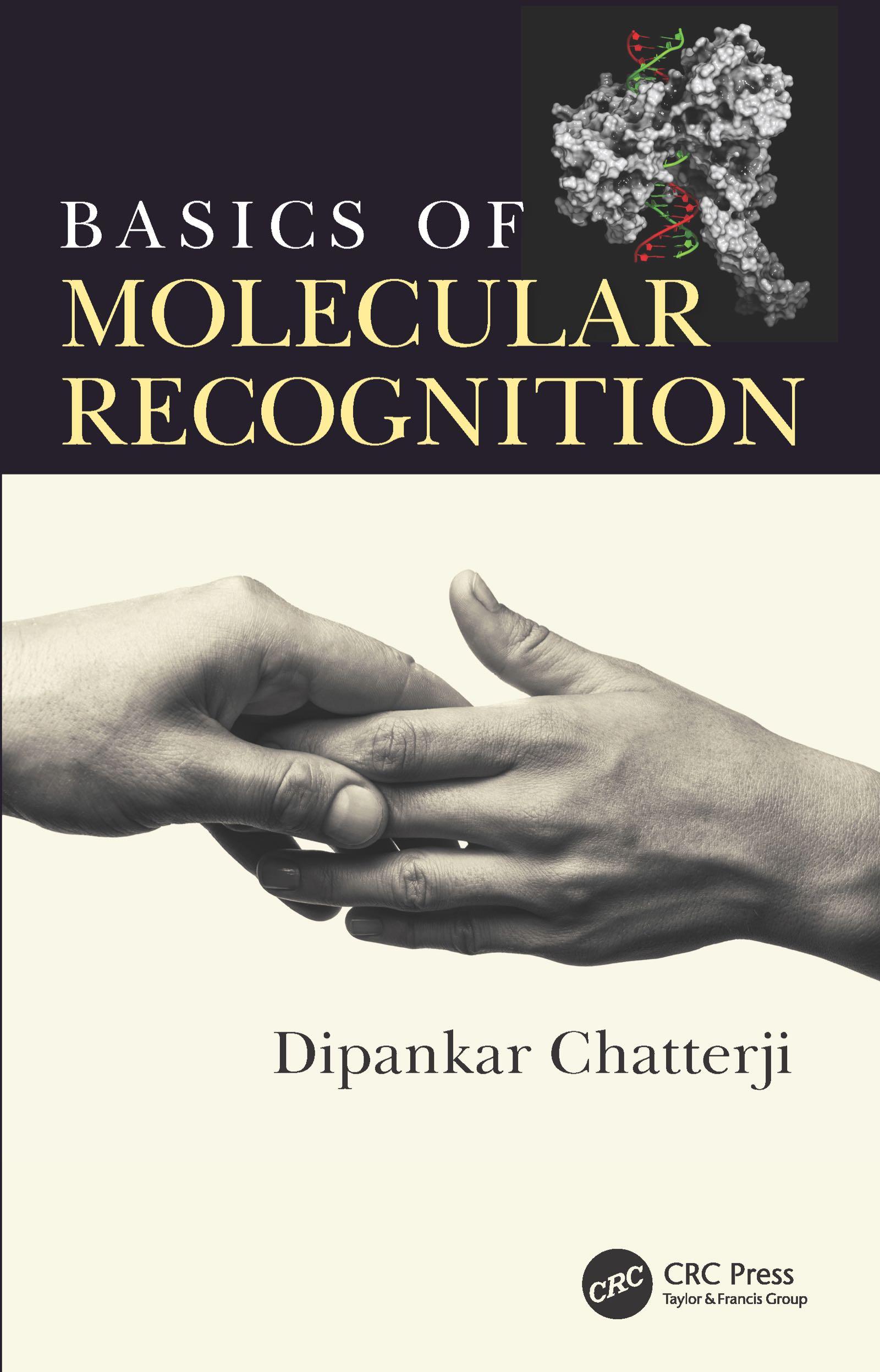
Basics of Molecular Recognition explores fundamental recognition principles between monomers or macromolecules that lead to diverse biological functions. Based on the author’s longtime courses, the book helps readers understand the structural aspects of macromolecular recognition and stimulates further research on whether molecules similar to DNA or protein can be synthesized chemically.
The book begins with the types of bonds that participate in the recognition and the functional groups that are capable of forming these bonds. It then explains how smaller molecules select their partners in the overall recognition scheme, offering examples of specific recognition patterns involving molecules other than nucleic acids. The core of the book focuses on macromolecular recognition—the central dogma of molecular biology. The author discusses various methods for studying molecular recognition. He also describes how molecules without biological functions can be arrayed or folded following certain rules and examines the nature of interactions among them.
Molecular recognition is a vast area encompassing every aspect of biology. This book highlights all aspects of non-covalent macromolecular recognition processes, including DNA–protein recognition and sugar–protein recognition.
Betal nemt med kort, Klarna, Apple Pay eller Google Pay. Ikke tilfreds? Du har altid 14 dages fortrydelsesret. Læs mere i vores vilkår. Har du spørgsmål, så send os en mail på hello@memmo.org.
Memmo gør det nemmere at studere – uanset hvor du er i verden. Hos os samler du dine kursusbøger og smarte studieværktøjer ét sted: resuméer, quizzer, podcasts og flashcards. Og så er der Ted, din studieven, der svarer på alt, du undrer dig over. Over 50 000 studerende studerer allerede her – bygget til at hjælpe dig med at lære hurtigere og stresse mindre.