
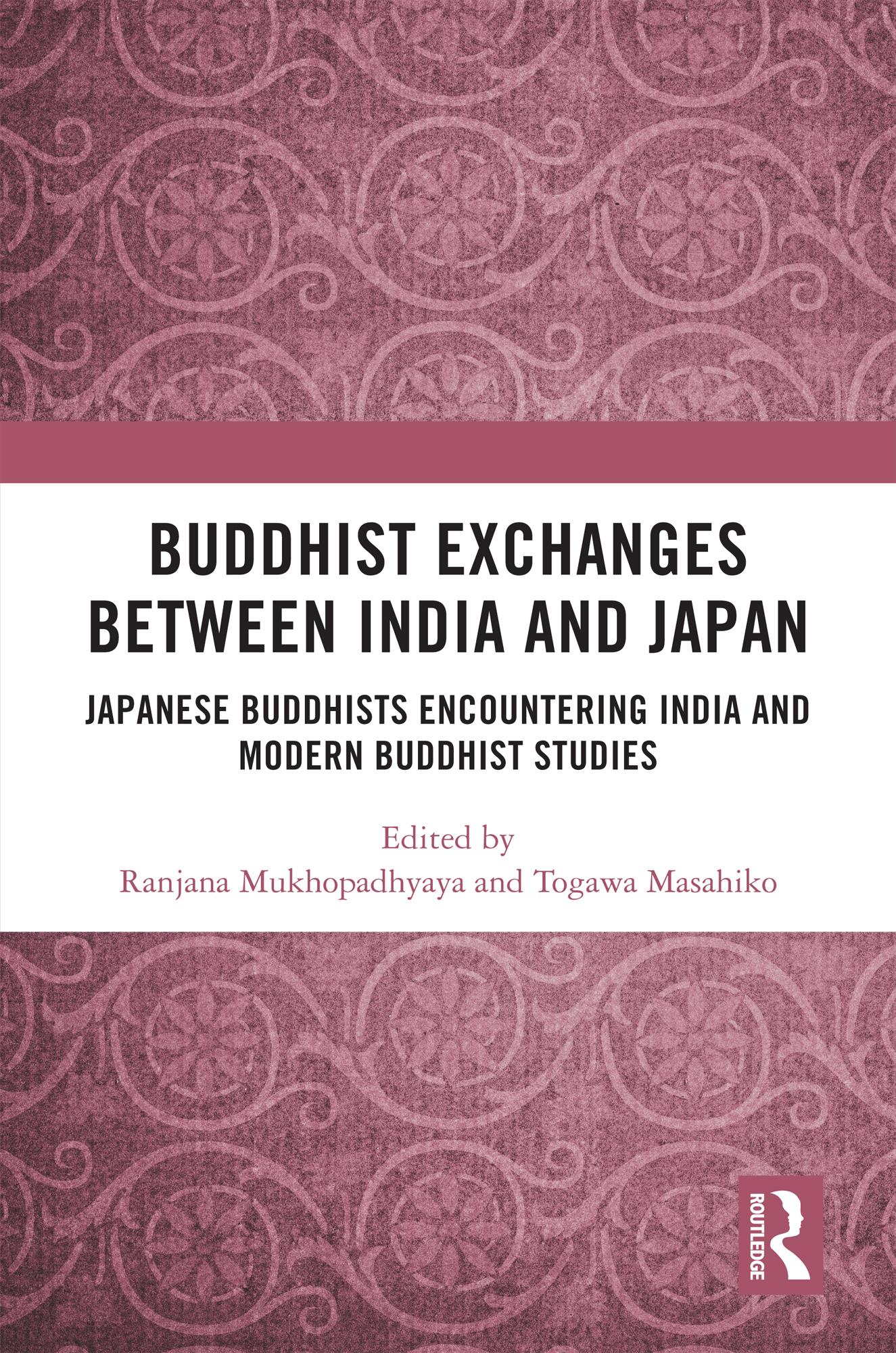
This book examines the role of Buddhism in India–Japan relations through three approaches.
First, it studies the history of interactions between India and Japan, especially through Buddhist pilgrimages from Japan to India and how it has influenced both Japanese and Indian Buddhism, particularly the Buddhist revival movements and the development of Buddhist sacred sites, such as Bodhgaya, in India. Second, it analyses the ideological implications of these Buddhist interactions between Japan and India by focusing on the role of Japanese monks and scholars as agents of Buddhist encounters between the two countries, and their contribution towards Buddhist scholarship in Japan, and the development of ideologies such as Buddhist nationalism or Pan-Asianism in India, Japan, as well as in other Asian countries. Finally, it highlights how these historic Buddhist linkages between India and Japan have led to transnational collaborations between Buddhists/Buddhist organizations as well as the governments of the two countries, and the use of Buddhist heritage as a soft power in the diplomatic relations between India and Japan.
Drawing on inter-disciplinary studies, the essays in the volume will be of interest to scholars in history, heritage studies, religious studies, especially Buddhist studies, international relations, and Asian studies.
Betal nemt med kort, Klarna, Apple Pay eller Google Pay. Ikke tilfreds? Du har altid 14 dages fortrydelsesret. Læs mere i vores vilkår. Har du spørgsmål, så send os en mail på hello@memmo.org.
Memmo gør det nemmere at studere – uanset hvor du er i verden. Hos os samler du dine kursusbøger og smarte studieværktøjer ét sted: resuméer, quizzer, podcasts og flashcards. Og så er der Ted, din studieven, der svarer på alt, du undrer dig over. Over 50 000 studerende studerer allerede her – bygget til at hjælpe dig med at lære hurtigere og stresse mindre.