
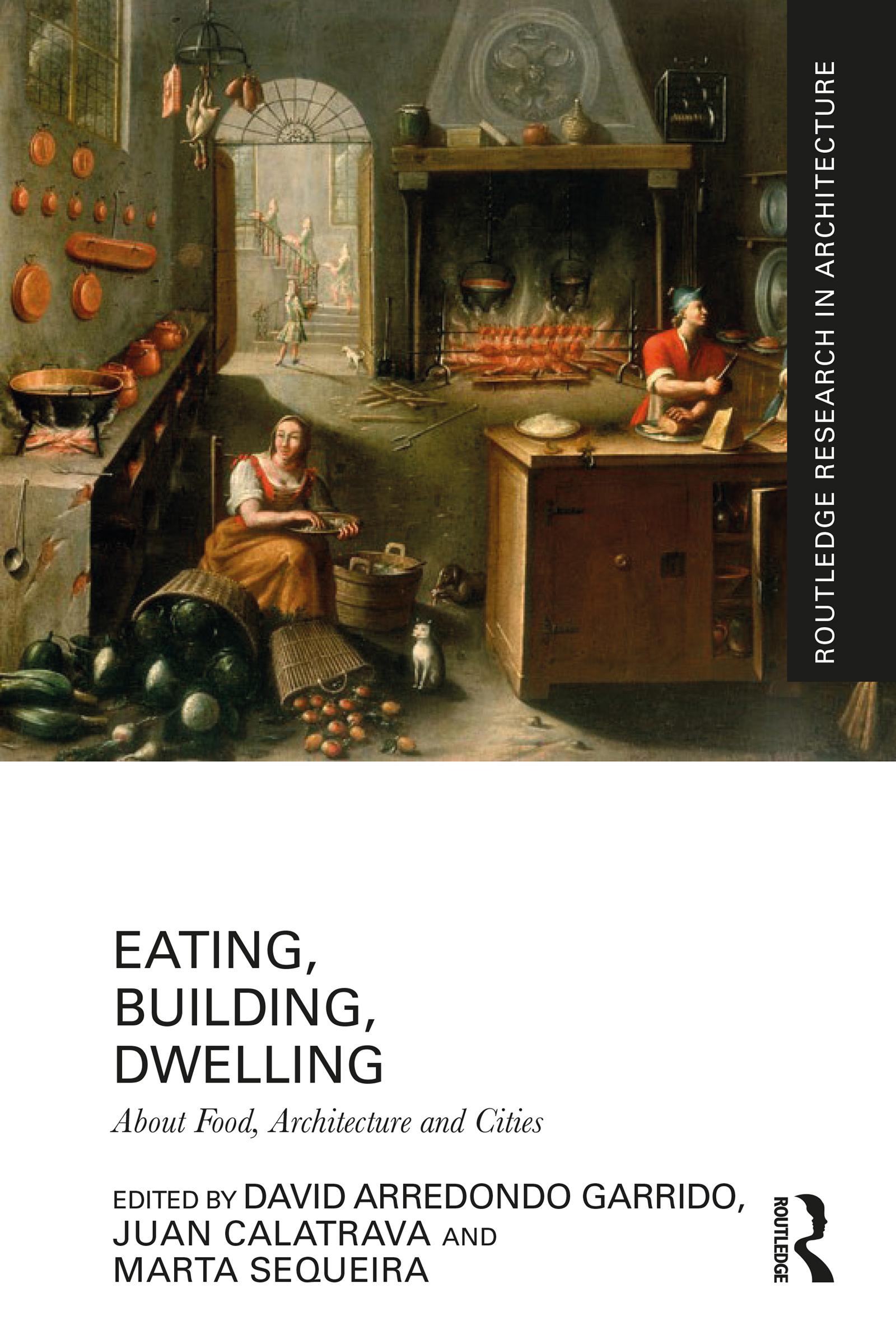
The intricate relationship between food, city and architecture, spanning from ancient civilizations to the present, serves as a focal point for interdisciplinary discourse. This book delves into a diverse set of cases throughout history in which processes related to food significantly influenced architectural or urban designs.
This book delineates three spatial levels — city, home and intermediate spaces — illuminating their dynamic interplay within the construct of a continually evolving “food space." Featuring 12 contributions from Mediterranean Europe, this publication explores historical legacies and contemporary challenges. Divided into urban-territorial and architectural scales, it offers nuanced insights into urban dynamics, domestic life and gastronomic tourism. Supported by a prestigious introductory study, this research advances a comprehensive understanding of food's role in shaping urban environments.
Through the chapters of this book, those interested in cultural studies of food, urban history and architecture will be able to reflect on our relationship with food and its processes, and how it affects the way we live and design our cities and their architectures.
Betal nemt med kort, Klarna, Apple Pay eller Google Pay. Ikke tilfreds? Du har altid 14 dages fortrydelsesret. Læs mere i vores vilkår. Har du spørgsmål, så send os en mail på hello@memmo.org.
Memmo gør det nemmere at studere – uanset hvor du er i verden. Hos os samler du dine kursusbøger og smarte studieværktøjer ét sted: resuméer, quizzer, podcasts og flashcards. Og så er der Ted, din studieven, der svarer på alt, du undrer dig over. Over 50 000 studerende studerer allerede her – bygget til at hjælpe dig med at lære hurtigere og stresse mindre.