
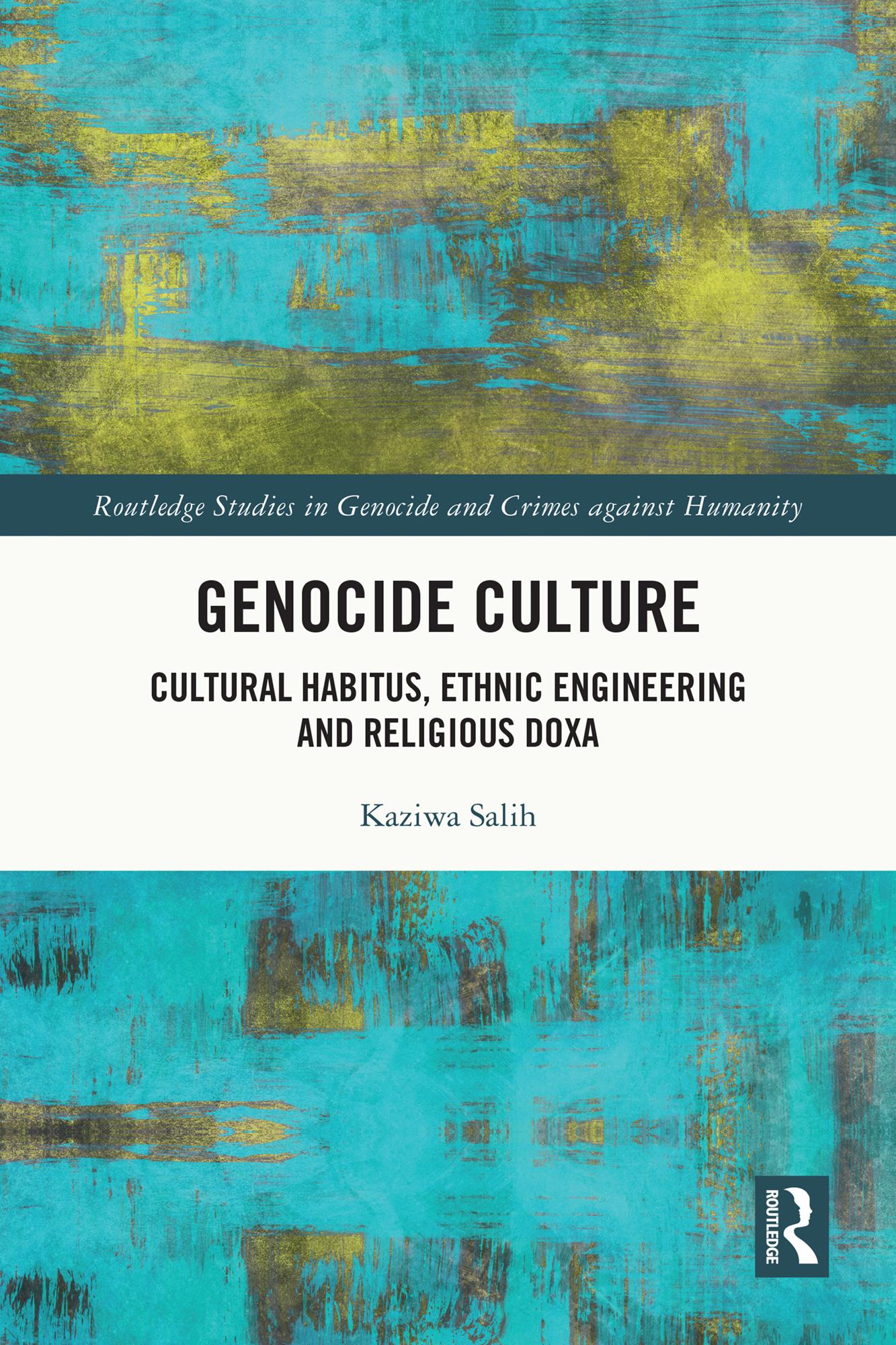
This book considers different stages of Kurdish history, oppression, and genocide through a critical lens, offering an historiography of Iraq and colonialism. Divided into two parts, the first part conceptualizes the coined term “genocide culture” and examines dominant Iraqi cultural practices that fostered genocide. The second part contextualizes the experiences of the Kurdish community to examine the effects of cultural practices and the role of “civilian actors” in fueling the extermination of targeted groups.
Through semi-structured interviews, primary archival documents, and nonparticipant observation, the author studies the links between everyday cultural practices and microaggression in general and the nexus between the state and the general population in the implementation of macroaggression and genocide. The audience will include scholars and students interested in genocide studies and the relation of both genocide and culture to histories of colonialism, as well as those working in the fields of violence and cultural psychology, sociology, history, international relations, ethnic conflict, and Middle Eastern studies.
Betal nemt med kort, Klarna, Apple Pay eller Google Pay. Ikke tilfreds? Du har altid 14 dages fortrydelsesret. Læs mere i vores vilkår. Har du spørgsmål, så send os en mail på hello@memmo.org.
Memmo gør det nemmere at studere – uanset hvor du er i verden. Hos os samler du dine kursusbøger og smarte studieværktøjer ét sted: resuméer, quizzer, podcasts og flashcards. Og så er der Ted, din studieven, der svarer på alt, du undrer dig over. Over 50 000 studerende studerer allerede her – bygget til at hjælpe dig med at lære hurtigere og stresse mindre.