
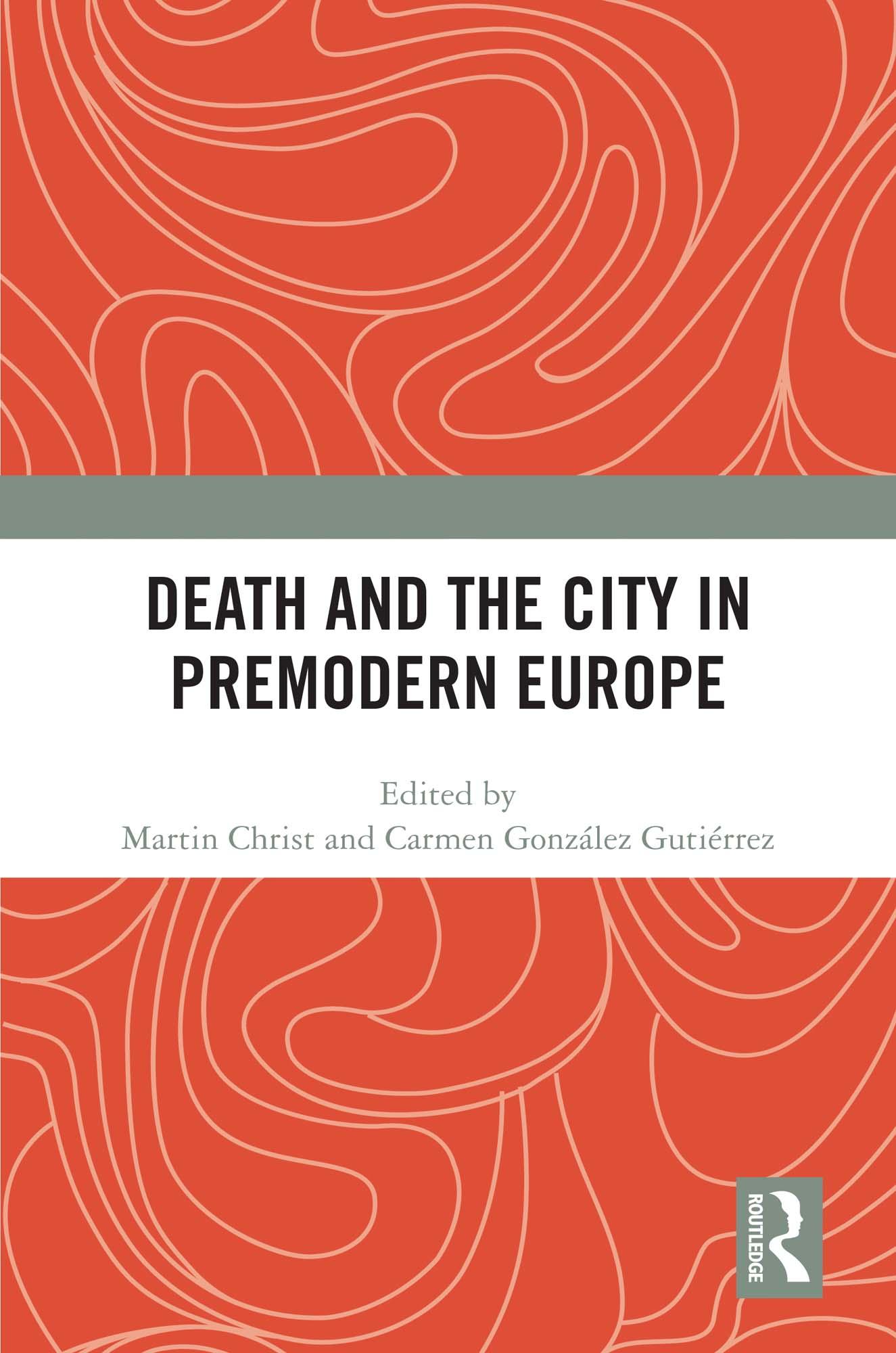
Through a range of case studies, this book traces how death shaped cities, and vice versa. It argues that by focusing on death and the city, we can open up new avenues of research into religious, political and cultural change.
Dying in a city was significantly different from dying in a village or the countryside. Cities and towns were centres of commerce and learning, shaping discourses on death. The importance of urban centres meant that events had a large audience there, for example when people were executed. Urban diversity led to a wide variety of deathways, which also had to be regulated by urban magistrates. The placement of dead bodies and the urban arrangement of cemeteries were related to the high population density in towns, urban hygiene and religious changes, such as the Reformation. The fact that many cities were seats of power had a direct impact on the design of necropolises and the performance of funerary rituals. It was also in urban centres that religious, ethnic and cultural diversity tended to be more pronounced, leading to compromise and conflict when it came to burials and commemoration. Considering death and the city can therefore help us understand much broader processes of dying, urbanity and change over time.
This book is essential reading for all students and academics of death in the premodern period. The chapters in this book were originally published as a special issue of Mortality.
Betal nemt med kort, Klarna, Apple Pay eller Google Pay. Ikke tilfreds? Du har altid 14 dages fortrydelsesret. Læs mere i vores vilkår. Har du spørgsmål, så send os en mail på hello@memmo.org.
Memmo gør det nemmere at studere – uanset hvor du er i verden. Hos os samler du dine kursusbøger og smarte studieværktøjer ét sted: resuméer, quizzer, podcasts og flashcards. Og så er der Ted, din studieven, der svarer på alt, du undrer dig over. Over 50 000 studerende studerer allerede her – bygget til at hjælpe dig med at lære hurtigere og stresse mindre.