
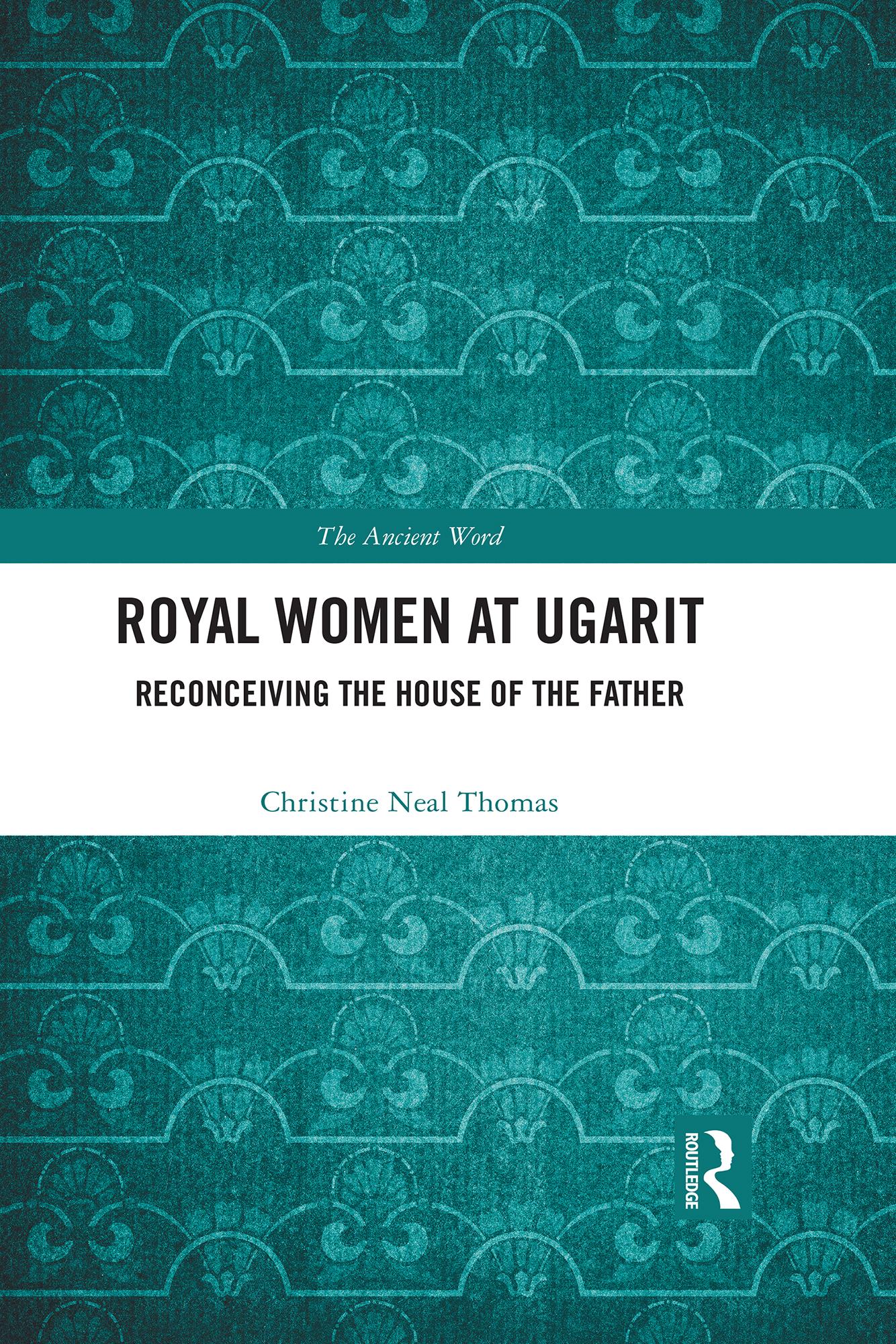
This volume challenges patrimonialism as a political model for the ancient Near East by engaging with letters and legal texts concerning royal women at Late Bronze Age Ugarit, demonstrating women’s pivotal roles in the exercise of power, and then bringing these insights to bear on the Hebrew Bible.
The book offers a new vision of how women figure in ancient political systems. Through an analysis of royal letters, legal verdicts, and regional records, it examines overt claims and implicit anxieties concerning the pivotal roles of royal women. Three case studies from Late Bronze Age Ugarit reveal that a single woman functioning in a range of modalities—mother, daughter, sister, and wife—brokered a network of relationships among a range of men. Patrimonialism depended on the political polyvalence of women. Texts from Ugarit attest to this reality, and the biblical royal women of the House of David amplify its significance. This analysis of women’s activity within and among royal households is productive not only for the study of the Late Bronze Age Levant, but also as a model for analogous inquiries into ancient societies and other systems in which data are thin and patrimonialism widely in evidence.
Royal Women at Ugarit is suitable for students and scholars working on women and gender in the ancient Near East, as well as those interested in the political realm of the Late Bronze Age and the intersections of biblical literature with other ancient texts.
Betal nemt med kort, Klarna, Apple Pay eller Google Pay. Ikke tilfreds? Du har altid 14 dages fortrydelsesret. Læs mere i vores vilkår. Har du spørgsmål, så send os en mail på hello@memmo.org.
Memmo gør det nemmere at studere – uanset hvor du er i verden. Hos os samler du dine kursusbøger og smarte studieværktøjer ét sted: resuméer, quizzer, podcasts og flashcards. Og så er der Ted, din studieven, der svarer på alt, du undrer dig over. Over 50 000 studerende studerer allerede her – bygget til at hjælpe dig med at lære hurtigere og stresse mindre.