
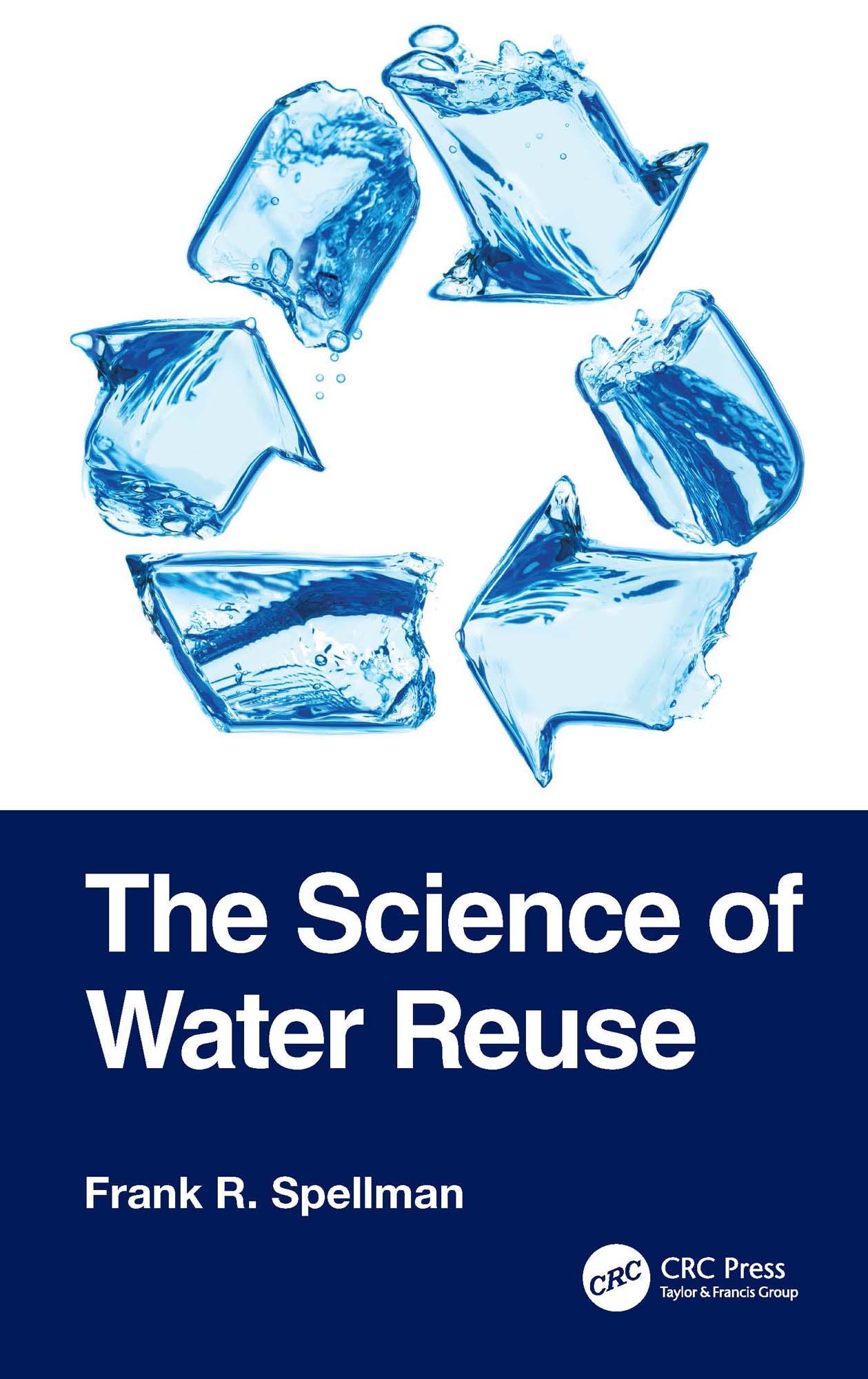
The general public’s aversion to drinking treated wastewater is evident, rooted in the reluctance to accept a direct pipe-to-pipe connection, for example, from a toilet to a drinking water tap. Despite advancements in treating black water from sewage sources to meet drinking water standards, there persists a general hesitancy to fully accept this possibility or understand the science behind it. The Science of Water Reuse explains how technology can sufficiently purify reclaimed water to potable water quality—even surpassing the cleanliness of the water available from conventional taps. It addresses the significant gap in the existing literature on water reuse, focusing particularly on the varied applications of reused or reclaimed water within municipal and agricultural contexts, with a specific emphasis on issues and technologies related to both direct and indirect potable water reuse. It serves as a valuable resource for policymakers, municipal planners, environmental engineering professionals, as well as undergraduate and graduate students.
- Bridges the gap between technical details and public comprehension, making the complex subject of water reuse accessible and relevant.
- Provides a comprehensive understanding of water reuse, including case studies for practical application.
- Contributes to changing public attitudes, making reclaimed water an acceptable source for potable use.
Betal nemt med kort, Klarna, Apple Pay eller Google Pay. Ikke tilfreds? Du har altid 14 dages fortrydelsesret. Læs mere i vores vilkår. Har du spørgsmål, så send os en mail på hello@memmo.org.
Memmo gør det nemmere at studere – uanset hvor du er i verden. Hos os samler du dine kursusbøger og smarte studieværktøjer ét sted: resuméer, quizzer, podcasts og flashcards. Og så er der Ted, din studieven, der svarer på alt, du undrer dig over. Over 50 000 studerende studerer allerede her – bygget til at hjælpe dig med at lære hurtigere og stresse mindre.